Choosing solar brackets is not only about holding panels above a roof. It is about safety, corrosion resistance, installation quality, and long-term maintenance. This guide examines seven highly regarded solar bracket types for residential and commercial projects. Each option serves different roof materials, panel layouts, wind conditions, and budget requirements.
What is the lifespan of typical solar brackets? Most quality aluminum or stainless-steel brackets can last 20 to 30 years when correctly installed and maintained. However, real service life depends on coastal salt, humidity, snow loads, ultraviolet exposure, and chemical contact. A bracket beside the sea may develop corrosion sooner than one installed inland. Small details matter, including sealed fasteners, drainage gaps, and compatible metals.
During practical inspections, loose bolts and damaged roof seals often create more risk than bracket failure itself. That point is easy to overlook. Manufacturer testing, material certifications, warranty terms, and installer experience should guide the final decision. Still, no product is perfect. A highly rated bracket can perform poorly when installers overtighten bolts or ignore roof movement. This review compares design strength, installation difficulty, corrosion protection, adjustability, and expected durability. It also considers how each bracket behaves under real weather conditions, rather than relying only on product photographs or marketing claims. Readers should verify local structural requirements and follow the manufacturer’s installation instructions before purchasing. A careful choice today can reduce leaks, panel movement, and replacement costs years later.
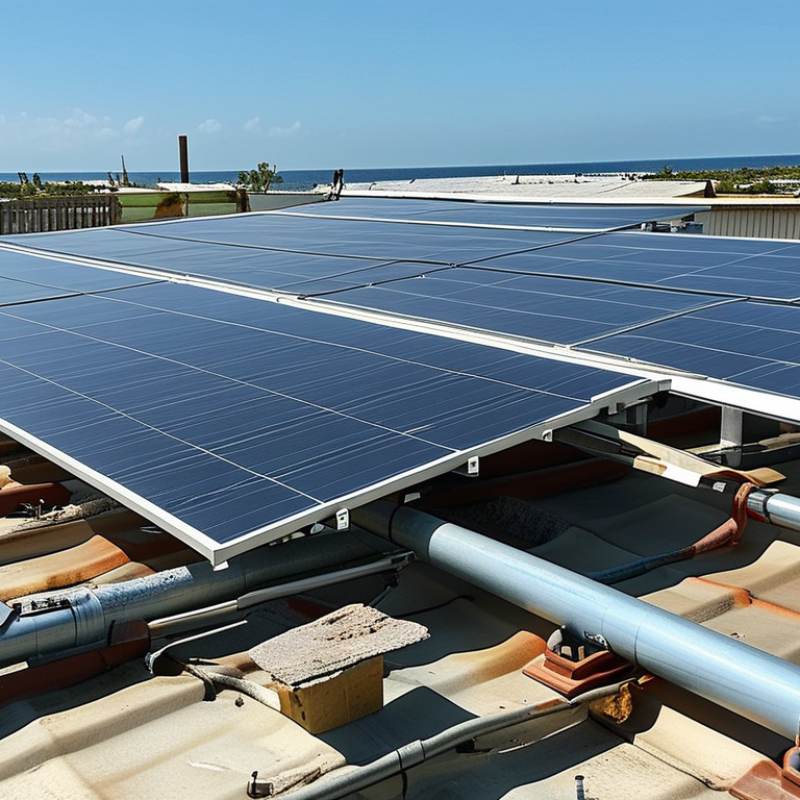
Types of Solar Brackets and Their Main Applications
7 Best Solar Brackets: What Is Their Lifespan?
Solar brackets match the roof, ground, or tracking system. The IEA PVPS Trends 2024 report recorded more than 1.6 terawatts of global solar capacity by the end of 2023. That growth increases demand for reliable mounting hardware. Seven common types serve different applications. Roof rail brackets support framed panels on asphalt shingles, metal sheets, and concrete roofs. Tile hooks fit between tiles and transfer loads into rafters. Standing-seam clamps attach directly to folded metal seams, avoiding roof penetration. Each option needs correct spacing and verified load calculations.
Ground-mount brackets use driven posts or concrete foundations for open land and utility projects. Ballasted brackets hold panels on flat roofs with weighted blocks, but they require careful wind assessment. Pole-mount brackets suit small arrays, lighting systems, and remote equipment. Tracking brackets rotate panels during the day and need moving joints, sensors, and stronger maintenance routines. The best choice depends on wind, snow, corrosion, roof structure, and installation access. Appearance matters less than load paths.
Industry guidance commonly places aluminum and galvanized steel mounting life around 20 to 30 years, while stainless steel can perform longer in harsh environments. Actual lifespan changes sharply near saltwater, industrial pollution, and standing water. The NREL PV Lifetime Project emphasizes that environmental exposure and hardware quality influence long-term photovoltaic reliability. Inspect bolts, seals, coatings, and drainage at least annually. Small rust marks deserve attention. A bracket can outlast a panel, but careless installation can shorten its life dramatically. These estimates remain imperfect; local engineering review is still necessary.
Seven Reliable Solar Bracket Designs Compared
Seven Reliable Solar Bracket Designs Compared
Solar brackets rarely receive attention, yet they carry panels through heat, wind, rain, and snow. Seven common designs deserve comparison: roof rails, rail-less mounts, tile hooks, standing-seam clamps, ground frames, pole mounts, and ballasted systems.
Aluminum roof rails often serve for 25 to 30 years when drainage remains clear. Rail-less mounts use fewer parts, but roof movement can increase stress. Tile hooks may last 20 to 30 years, depending on tile damage and flashing quality.
Standing-seam clamps avoid roof penetration and can approach 30 years in suitable conditions. Ground frames may exceed 30 years with galvanized steel and careful soil drainage. Pole mounts face stronger wind loads, so their foundations matter greatly. Ballasted mounts avoid drilling, but aged rubber pads and rooftop movement require regular checks.
NREL’s recent photovoltaic degradation review reports median module degradation near 0.5% annually. The mounting structure can outlive the modules, but corrosion may shorten that advantage. IEA PVPS reliability guidance also emphasizes salt exposure, fastener torque, and water pathways as major failure factors.
That is practical evidence, not marketing.
Tips: Match the bracket to the roof material first. Inspect joints after severe storms. Look for white aluminum oxidation, red rust, loose clamps, and cracked sealant. Stainless fasteners help, though they are not magic. A mistake is assuming thicker metal always means longer life. Design quality, installation accuracy, and local weather usually matter more. Expect 20 to 40 years, but verify the actual warranty and inspection requirements.
Materials and Construction Features That Affect Durability
Solar brackets can last 10 to 30 years, but their lifespan depends on materials and construction. Aluminum brackets resist rust and remain lightweight. However, softer aluminum can bend under heavy snow or strong wind. Stainless steel offers excellent corrosion resistance, especially near the coast. It usually costs more, but damaged fasteners create expensive problems later.
Galvanized steel provides high strength and often supports larger panels. Its protective zinc layer can wear away where drilling, cutting, or welding occurs.
Powder-coated steel adds another barrier, but scratches may expose the metal underneath. Strong brackets also need clean welds, reinforced corners, accurate holes, and smooth drainage paths.
Water trapped inside a joint can cause hidden corrosion. I once underestimated this detail during a roof inspection. The surface looked sound, but rust had started beneath a mounting plate.
Tips:
Check fasteners twice each year. Look for loose bolts, peeling coatings, rust stains, and bent edges. Use compatible metals to reduce galvanic corrosion. Keep drainage holes clear of leaves and dirt. In snowy or coastal areas, inspect more often. Installation quality matters as much as the bracket material. A premium alloy can still fail when holes are misaligned or bolts are overtightened. Manufacturers’ load ratings should be compared with local wind and snow conditions. Lifespan estimates are useful, but real exposure remains unpredictable.
Maintenance Factors That Help Solar Brackets Last Longer
Solar brackets often last 20 to 30 years when correctly selected and maintained. However, their lifespan depends heavily on moisture, wind loading, salt exposure, and installation quality. Fraunhofer ISE’s Photovoltaics Report 2024 places typical solar module service expectations around 25 to 30 years. That figure applies to modules, not mounting hardware. Brackets may fail earlier when corrosion, loose fasteners, or trapped water remain unnoticed.
Small movements matter. NREL’s Best Practices for Operation and Maintenance of Photovoltaic and Energy Storage Systems recommends documented inspections, visual checks, and corrective maintenance. Inspect brackets at least annually, especially after severe storms. Check bolt torque according to the installation specification, then examine welds, clamps, roof attachments, and drainage paths. Salt air requires closer attention because corrosion can spread beneath coatings before becoming visible. Keep dissimilar metals separated when required, and replace damaged washers or seals promptly.
Field inspections often reveal a simple problem: dirt and leaves hold moisture against metal joints. Cleaning those areas can prevent expensive deterioration. A practical weakness is assuming stainless steel makes maintenance unnecessary. It does not. I would not promise a fixed lifespan without reviewing local weather, roof movement, and load calculations. Regular records also help identify gradual loosening, even when the array still appears secure. Proper maintenance is less dramatic than replacement, but it protects both structural reliability and long-term solar performance.
7 Best Solar Brackets: What Is Their Lifespan?
Typical service-life estimates for commonly used solar mounting brackets. Actual durability depends on material quality, installation, climate, corrosion exposure, roof movement, and maintenance.
Maintenance Factors That Help Solar Brackets Last Longer
- Inspect brackets, fasteners, seals, and flashing at least once a year.
- Remove leaves, dirt, bird nesting material, and standing water that can retain moisture.
- Check for galvanic corrosion where aluminum contacts stainless steel or galvanized steel.
- Replace cracked coatings, damaged protective finishes, rusted fasteners, and worn roof seals promptly.
- Verify that bolts remain properly tightened after severe wind, hail, or heavy snow events.
- Use compatible metals and corrosion-resistant fasteners during repairs or system expansion.
The values shown are typical planning estimates rather than warranties. A qualified installer should assess site-specific wind, snow, salt exposure, and building conditions.
Conclusion
Choosing the right solar bracket is essential for secure panel installation, long-term performance, and easier maintenance. This article examines common bracket types, including roof, ground, pole, balcony, and adjustable designs, explaining where each is most suitable. It also compares seven reliable solar bracket structures, focusing on their stability, adjustability, installation method, and ability to withstand changing weather conditions. Material selection is another major factor, with aluminum, stainless steel, and galvanized steel offering different balances of strength, corrosion resistance, weight, and cost.
What is the lifespan of typical solar brackets? In general, well-designed and properly installed brackets can last around 20 to 30 years, although their actual service life depends on material quality, climate, loading conditions, and installation accuracy. Regular inspections, tightening loose connections, removing accumulated dirt, checking for rust or corrosion, and replacing damaged components can help extend durability. With suitable materials and consistent maintenance, solar brackets can remain dependable throughout the operating life of most solar panels.
 Soltrux Solar
