Solar energy is pivotal in today’s quest for sustainable power. An essential factor influencing solar panel efficiency is the use of adjustable brackets. Why do solar panels need adjustable brackets? This question leads to a deeper understanding of solar energy systems. Adjustable brackets offer flexibility in panel positioning. This adjustment ensures that panels maintain optimal angles throughout the day.
Different locations have varying sun paths. Adjustable brackets accommodate these differences effectively. Factors like seasonal changes and local weather patterns affect sunlight exposure. Without proper adjustment, panels may not capture maximum energy. Consequently, this can lead to lower energy production and increased costs.
While adjustable brackets seem beneficial, they require careful installation and maintenance. Poorly installed brackets can lead to damage and inefficiency. Therefore, choosing the right bracket and installer is crucial. It is also essential to periodically reassess the installation for optimal results. Exploring the necessity of adjustable brackets sheds light on achieving maximum efficiency in solar energy systems.
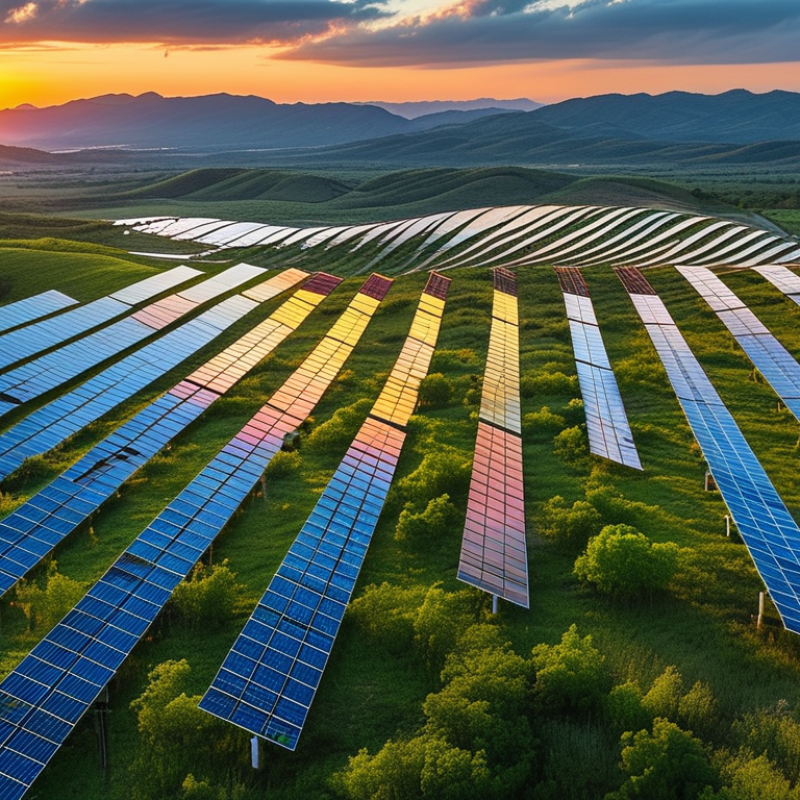
Importance of Solar Panel Orientation for Maximum Energy Production
The orientation of solar panels significantly impacts energy production. Studies indicate that proper alignment can enhance efficiency by up to 25%. According to the National Renewable Energy Laboratory, optimal positioning captures maximum sunlight, leading to improved overall performance. As the sun changes throughout the day, adjustable brackets allow for real-time adaptation, improving energy harvest consistently.
Such brackets are crucial, especially in regions with seasonal variations. A fixed installation risks underperformance during various times of the year. For instance, panels facing south often yield higher outputs. Yet, in some areas, east or west-facing panels may be equally effective. Reports suggest that panels mounted at the right tilt can result in a significant increase in energy generation, particularly during peak sunlight hours.
Adjustable brackets are not merely a convenience; they are a necessity. Neglecting to consider the sun's trajectory can lead to wasted potential. Despite their benefits, some users may underestimate the need for periodic adjustments. A lack of awareness about these positioning strategies can hamper the effectiveness of solar installations. Recognizing these details can lead to improvements in energy efficiency that are often overlooked.
Impact of Seasonal Sun Angle on Solar Panel Efficiency
Solar panels are designed to capture sunlight efficiently, but their performance can vary greatly throughout the year. One key factor is the sun's seasonal angle. In winter, for example, the sun is lower in the sky. This means that solar panels not angled correctly might miss out on optimal sunlight. Conversely, in summer, the sun's angle is higher, allowing for different positioning to improve energy capture.
Adjustable brackets allow for flexibility in aligning solar panels with the sun's angle. This adjustment is crucial during different seasons. A fixed installation may not maximize efficiency. Therefore, many solar installations incorporate these movable supports. They provide a way to optimize energy production as the sun shifts.
Tips: Regularly adjust your solar panel brackets when the seasons change. Consider the angles that will benefit your system the most. Keep an eye on local weather patterns; cloudy days significantly affect sunlight exposure. Such adjustments require some effort but can lead to improved energy yields. Always stay informed about your setup to maintain efficiency.
Role of Adjustable Brackets in Optimizing Solar Panel Positioning
Adjustable brackets play a crucial role in optimizing solar panel positioning. They allow for precise angles that maximize sunlight exposure. According to the National Renewable Energy Laboratory, an optimal tilt angle can increase energy production by 15-25%. This is significant for homeowners and businesses looking to enhance their solar investments.
The ability to adjust panels based on seasonal sunlight is vital. During summer, a lower angle can capture more direct sunlight, while winter requires a steeper angle to account for the sun's lower arc. Proper adjustment ensures panels operate at peak efficiency year-round. Research shows that fixed-angle solar installations may underperform by up to 30% in certain conditions.
Tips: Regularly assess the position of your solar panels. Make adjustments at the start of each season. Even minor changes can yield noticeable improvements in energy collection.
It’s important to note that not all adjustable systems are created equal. Factors such as installation quality and local weather patterns affect performance. Careful consideration must be taken before choosing a bracket system. Not every property will benefit from adjustment features, depending on geographic location and solar insolation levels.
Why Do Solar Panels Need Adjustable Brackets for Efficiency? - Role of Adjustable Brackets in Optimizing Solar Panel Positioning
| Feature |
Importance |
Impact on Efficiency |
| Adjustable Angle |
Allows optimal positioning throughout the day |
Increases energy capture by up to 25% |
| Durability |
Ensures longevity and reliability under various weather conditions |
Reduces maintenance costs and downtime |
| Ease of Installation |
Facilitates quicker setup and adjustments |
Shortens time to generate energy |
| Versatility |
Compatible with various solar panel sizes and types |
Maximizes system compatibility and efficiency |
| Wind Resistance |
Prevents damage during high winds |
Ensures stable performance in adverse conditions |
Comparative Analysis of Fixed vs. Adjustable Mounting Systems
When considering solar panel efficiency, the mounting system plays a crucial role. Adjustable brackets allow panels to tilt and rotate, optimizing their angle towards the sun. This adjustment can significantly improve energy capture, particularly throughout the day and across seasons. Fixed mounting systems, while simpler, restrict panels to a static position, which can lead to suboptimal performance during certain times of the year.
Research indicates that adjustable systems can increase energy production by up to 30%. However, these systems require careful installation and regular maintenance. Improper adjustments can lead to reduced efficiency or even damage. Installers need to be well-trained, as the installation process is complex. There is a learning curve, and not all setups yield the expected efficiency gains. Balancing cost against potential benefits is essential for homeowners and businesses alike.
The choice between fixed and adjustable systems often depends on specific circumstances. Fixed systems are less expensive upfront and easier to install. However, they may not deliver the same long-term energy benefits. Individuals must weigh their options carefully. More data is needed on how varying geographic locations affect the efficiency of these systems. The decision should be based on both immediate budget and long-term energy needs.
Efficiency of Solar Panels: Fixed vs. Adjustable Brackets
Industry Data on Energy Output Improvements with Adjustable Brackets
Adjustable brackets for solar panels can significantly enhance energy output. According to a report from the National Renewable Energy Laboratory (NREL), using adjustable mounts can increase solar energy collection by up to 25%. This benefit arises from their ability to optimize the angle of sunlight exposure throughout the day and across seasons.
Data from the Solar Energy Industries Association (SEIA) indicates that installations using adjustable brackets showed an improvement in system efficiency. For example, in regions with variable sunlight, systems mounted at adjustable angles produced approximately 15-20% more energy. This is particularly relevant as energy demands increase. The ability to adjust panels leads to better capture of solar radiation.
However, adjustable brackets come with challenges. Installation can be complex and may require additional maintenance. Failure to adjust these systems timely can negate potential benefits. Some reports highlight a gap in user awareness about optimizing panel angles. Education on this technology remains an area for improvement in the industry. Understanding the trade-offs is essential for maximizing solar investments.
Conclusion
The efficient operation of solar panels significantly depends on their orientation and positioning, which leads to the question, "Why do solar panels need adjustable brackets?" The angle of sunlight varies throughout the year, with seasonal shifts affecting the sun's position in the sky. By utilizing adjustable brackets, solar panels can be repositioned to capture maximum sunlight at different times of the year, thereby enhancing energy production and overall efficiency.
Comparative studies between fixed and adjustable mounting systems reveal that adjustable brackets provide considerable advantages in optimizing solar panel placement. Industry data indicates that panels mounted on adjustable brackets can experience notable improvements in energy output, making them a worthwhile investment for maximizing solar energy harnessing potential.

 Soltrux Solar