Best Angle for Solar Panel Efficiency What Should You Know?

Time:2026-04-29 Author:Amelia
0%

When exploring renewable energy options, one pivotal question arises: "What is the best angle for solar panel efficiency?" Solar energy expert Dr. Emily Carter emphasizes this by stating, "Maximizing solar panel tilt can significantly boost energy capture." Understanding the ideal angle is essential for homeowners and businesses alike, as it directly impacts solar performance.

Various factors influence the best angle for solar panels. Geographic location, season, and roof type play crucial roles. A panel angled too steeply may underperform in summer, while a flatter angle could jeopardize efficiency in winter. This complexity can lead some to overlook optimal setups, costing them energy and savings.

Solar technology advances, yet the fundamental principle remains clear: proper tilt is vital. Some might argue that the best angle is subjective, determined by personal circumstances and goals. However, a technical approach is necessary to achieve maximum efficiency. Balancing theoretical angles with real-world application is key in the pursuit of solar energy's potential.
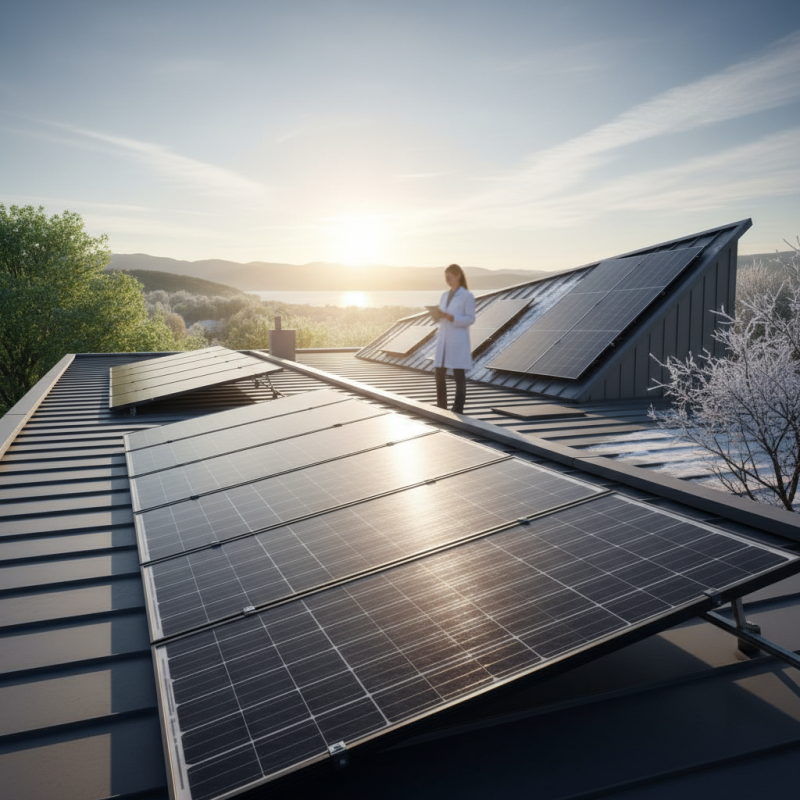
Best Angle for Solar Panel Efficiency What Should You Know?

Understanding Solar Panel Angle Basics

Understanding the angle of solar panels is crucial for optimizing energy output. The angle should ideally align with your geographic latitude. For instance, panels positioned at a tilt equal to your latitude can enhance their efficiency by 15-25%. A study by the National Renewable Energy Laboratory (NREL) confirms that proper angling maximizes sun exposure, especially during peak hours.

When adjusting the angle, consider seasonal changes. In winter, a steeper tilt can capture more sunlight, while a shallower angle may work better in summer. Data shows that tilting panels correctly can lead to up to 8% more energy production annually. Similarly, if you live near the equator, horizontal installations may prove adequate due to consistent sunlight year-round.

Tips:

  • Regularly check the angle of your solar panels.
  • Use simple tools to adjust them according to seasonal shifts.
  • Always consider shading from nearby trees or buildings which can diminish effectiveness.

Finding the right angle requires ongoing adjustments and monitoring. Observe your energy production in various weather conditions. This practice can reveal the angles that work best, helping improve overall efficiency through informed experimentation.

The Importance of Tilt Angle for Solar Efficiency

The tilt angle of solar panels is crucial for maximizing efficiency. Studies show that adjusting the angle according to geographic location and seasonal changes can significantly impact energy production. For instance, a panel tilted at 30 degrees might perform better during summer, while a steeper angle could be more effective in winter months.

The ideal tilt is not just about maximizing exposure to sunlight. Environmental factors also play a role. Dust and debris can accumulate on solar panels, affecting their performance. A more tilted panel can help in self-cleaning by allowing rain to wash away dirt. However, this can lead to other issues, like increased shading from nearby trees.

Finding the perfect angle requires experimentation. Not every installation will yield the same results due to specific site conditions. It's essential to monitor performance regularly. Reflection on energy output helps adjust the angle for optimum efficiency. Embracing this trial-and-error approach may feel frustrating, but it is key to enhancing solar energy solutions.

Factors Influencing Optimal Solar Panel Angle

The angle of solar panels significantly impacts their efficiency. A well-optimized angle can enhance energy production. Several factors influence what the ideal angle should be. Latitude plays a crucial role. For instance, regions closer to the equator benefit from a flat panel installation. Meanwhile, higher latitudes often require a tilt to capture more sunlight.

Seasonal changes also affect the optimization of angles. In summer, a lower tilt may be sufficient, while winter may require a steeper angle. Cloud cover and weather patterns can alter expectations too. It's essential to track local trends in sunlight throughout the year. This data can help users refine their angle settings over time.

Additionally, shading from nearby structures or trees can reduce efficiency. Regularly assessing the environment around the panels is vital. With ongoing research and monitoring, solar panel angle adjustments can improve long-term performance. Many enthusiasts find trial and error valuable in this process. This hands-on experience, though imperfect, leads to greater understanding and better energy outcomes.

Seasonal Adjustments for Maximum Energy Capture

Choosing the best angle for solar panel placement is crucial for maximizing energy capture. Seasonal adjustments can significantly affect efficiency. During winter, the sun is lower in the sky. Adjusting the angle of your solar panels can optimize energy production during these months. The right tilt can lead to a higher energy yield.

Tips: Consider adjusting your solar panel's angle every season. For winter, a steeper angle helps catch more sunlight. In summer, a lower angle may work better. This simple adjustment can enhance your system's overall performance.

Keep in mind that environmental factors also play a role. Trees and buildings can cast shadows on your panels, reducing their efficiency. Regular maintenance is crucial. Check for obstructions that may grow over time. Reflect on your setup periodically. Small changes can lead to better energy capture and savings.

Tools and Techniques to Measure and Adjust Panel Angle

Adjusting the angle of solar panels can significantly impact their efficiency. Tools like inclinometers and digital angle finders help measure the optimal tilt. Studies show that solar panels can produce up to 30% more energy when positioned correctly. A common recommendation is to set the panel angle to match the latitude of your location. This simple adjustment can enhance energy generation throughout the year.

To effectively adjust the angle, consider using apps designed for solar energy professionals. These applications often provide data on the sun’s path, helping users find the best angles for their specific needs. Some research indicates that tracking adjustments seasonally can yield better results. However, the accuracy of these measurements can vary. It’s essential to regularly check your setup to ensure optimal performance.

Monitoring tools also play a crucial role. Solar performance monitors track energy output, revealing how changes in angle affect efficiency. However, unexpected shading from nearby trees or structures can diminish potential gains. Users should view these measurements critically and adjust as necessary. Regular assessments can ensure that panels function at their peak ability.

FAQS

: Why is tilt angle important for solar panels?

: The tilt angle maximizes solar efficiency. It affects energy production by capturing sunlight optimally based on location and seasons.

How does the angle change with seasons?

In summer, a lower tilt may work well. In winter, a steeper angle captures more sunlight effectively.

What environmental factors affect solar panel performance?

Dust and debris can reduce efficiency. An angled panel allows rain to clean it, but may cause increased shading.

How can one find the optimal angle for solar panels?

Experimentation is key. Monitoring energy output helps refine the angle based on specific site conditions.

How do latitude and location influence panel tilt?

Closer to the equator, flatter panels are better. Higher latitudes often require steeper angles for optimal sunlight capture.

What tools can help measure solar panel angles?

Inclinometers and digital angle finders are effective. They help determine optimal tilt for maximizing energy production.

How often should the angle of the panels be adjusted?

Regular adjustments are recommended, especially with seasonal changes. Tracking local sunlight trends aids in refining settings.

Can shading from trees affect solar performance?

Yes, shading can reduce efficiency. Regularly assess surroundings to mitigate shading impacts and improve overall performance.

What role do monitoring tools play in solar panel efficiency?

They track energy output and highlight how angle changes affect performance. Regular checks ensure panels operate at peak levels.

Is it normal for the adjustment process to feel frustrating?

Yes, the trial-and-error method can be challenging. However, it ultimately leads to better understanding and improved energy outcomes.

Conclusion

When considering solar panel efficiency, one key question arises: "What is the best angle for solar panel efficiency?" Understanding the fundamentals of solar panel angles is crucial, as the tilt can significantly affect energy capture. The optimal angle typically depends on geographic location, local climate, and the seasonal variations of sunlight. For maximum efficiency, solar panels should ideally face true south (in the northern hemisphere) at an angle that corresponds to the latitude of the installation site.

Additionally, seasonal adjustments can enhance energy output by accommodating changes in the sun's path throughout the year. Tools such as angle finders and apps can assist in accurately measuring and adjusting the panel angle, ensuring that solar systems operate at peak performance. By recognizing these factors, homeowners and businesses can make informed decisions to optimize their solar energy systems and maximize their return on investment.

Amelia

Amelia

Amelia is a seasoned marketing professional with a wealth of expertise in our company’s core offerings. With an unwavering passion for driving growth and innovation, she plays a pivotal role in shaping our marketing strategies and enhancing brand visibility. A key aspect of her responsibilities......