As the demand for renewable energy increases, solar panel efficiency becomes crucial. Understanding what angle optimizes solar panel performance is essential for homeowners and businesses alike. It has been reported that solar panels can generate up to 25% more energy when installed at the ideal angle. According to Dr. Emily Thomson, a leading solar energy researcher, "Finding the best angle for solar panel efficiency can significantly boost energy production throughout the year."
Different geographical locations and seasonal changes affect the optimal angle for solar panels. In general, panels should be tilted at an angle that corresponds to the latitude of the installation site. This means that what works in one region may not be suitable in another. For instance, in areas near the equator, a flatter angle may suffice, while regions closer to the poles might require steeper inclines.
However, it’s important to address that achieving the perfect angle is not always feasible. Various factors like roof design, shading from nearby structures, and local climate also play critical roles. Thus, while determining what is the best angle for solar panel efficiency can enhance energy output, real-world constraints must also be considered. Balancing theory with practical applications remains a challenge that many in the industry continue to navigate.
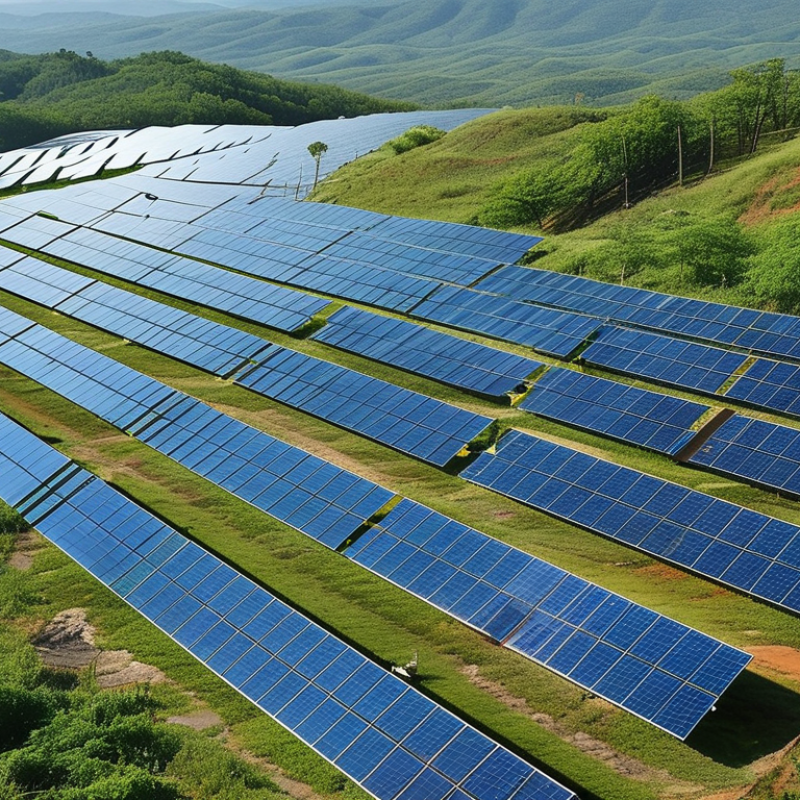
Solar panel efficiency varies significantly based on geographic location. The optimal tilt angle is crucial for capturing sunlight. Regions closer to the equator benefit from a different angle than those farther away. In general, a tilt equal to your latitude is effective. However, adjustments may improve performance.
Mountains, trees, and buildings can cast shadows. Evaluate your area for potential obstructions. Regularly cleaning panels also boosts productivity. Dust and debris can reduce their effectiveness by up to 20%.
Seasonal changes also impact the ideal angle. In winter, a steeper tilt captures more sunlight. In contrast, a flatter angle works well during summer months. Tech advancements allow adjustable mounting systems. These can optimize angles throughout the year.
Understanding your specific location is vital. Consult local resources to determine precise angles. Take note of changes in sun patterns. Each region has its unique demands. Make informed adjustments to maximize energy output.
Seasonal variations can greatly affect solar panel efficiency. In winter, the sun's angle is lower. This means the panels receive less direct sunlight. The reduction can be significant. The panels may only generate half of their optimal output during these months. Snow accumulation can further decrease energy production. Therefore, proper positioning is essential.
In contrast, summer provides longer days and a higher sun angle. This boosts solar panel efficiency. However, extreme heat can also lead to inefficiencies. Overheating can reduce the energy output of panels. Finding the right angle is critical throughout the year. It directly influences the amount of sunlight captured.
Understanding these seasonal effects helps in planning for optimal solar energy production. It is worth noting that many homeowners may not adjust their panels. This oversight can lead to lost energy opportunities. Regular maintenance and adjustments are necessary to maximize efficiency. By staying informed and proactive, users can enhance their solar energy systems.
| Season | Optimal Angle (Degrees) | Average Daily Solar Hours | Expected Efficiency (%) |
|---|---|---|---|
| Winter | 30 | 5 | 15 |
| Spring | 45 | 7 | 20 |
| Summer | 60 | 10 | 24 |
| Fall | 40 | 6 | 18 |
When it comes to fixed solar panel installations, determining the ideal angle for maximum efficiency is crucial. Research suggests that solar panels typically perform best at a tilt angle equal to the latitude of the installation location. For example, if you’re at a latitude of 40 degrees, a tilt angle of around 40 degrees can enhance energy capture. This simple calculation maximizes exposure to direct sunlight throughout the year.
Professional reports indicate that optimizing the angle can improve solar energy capture by up to 25%. However, this isn’t a one-size-fits-all solution. Factors such as seasonal changes, local weather conditions, and specific site characteristics can influence the effectiveness of the angle. In some regions, seasonal adjustments are beneficial, where altering the angle based on summer and winter patterns can yield additional efficiency gains.
It’s also important to remember that fixed installations don’t enjoy the flexibility of tracking systems. A fixed angle might not always align with the sun's path. This limitation necessitates careful consideration and sometimes a need for compromise. An analysis of local solar patterns can provide insight, yet many installations miss out on this crucial step. Thus, while calculations guide angle decisions, real-world variables require regular reassessment for optimal performance.
Solar panels are most efficient when angled correctly. This angle can vary based on geographical location and time of year. Adjustable mounting systems allow users to optimize the angle of solar panels. Such systems can tilt and rotate, adapting to the sun’s position. This flexibility can significantly enhance energy capture.
Many homeowners overlook the benefits of adjustable mounts. Fixed panels might seem easier, but they don't maximize sunlight exposure. By investing in adjustability, energy efficiency increases. Some systems allow for seasonal adjustments, ensuring optimal performance year-round. Yet, adjusting angles requires some knowledge. Users must understand sun paths and seasonal changes.
Many may find that the initial installation complexity is daunting. Regular maintenance checks are necessary too. Given that solar technology is advancing rapidly, staying updated on best practices is essential. Users should explore community resources to learn from others' experiences. This ongoing learning can improve overall performance and yield better energy results.
As shown in the chart above, the efficiency of solar panels varies significantly with the angle of installation. The optimal angle for maximum efficiency appears to be around 45°, where the performance peaks at 95%. Angles lower than 30° or higher than 60° lead to reduced efficiency, demonstrating the importance of proper installation angle in maximizing solar energy capture.
Choosing the right angle for solar panels is crucial. Static systems, fixed at a specific tilt, are simple and cost-effective. They require minimal maintenance and are easier to install. However, they do not adapt to seasonal changes. Solar energy generation can drop significantly in winter months when the sun is lower in the sky.
Dynamic systems utilize tracking technology. These adjustments allow solar panels to follow the sun throughout the day. This can lead to a substantial increase in energy capture. Yet, tracking systems are more complex and costly. They might require regular maintenance. Not every installation can justify the extra investment.
Considering these factors is essential. The best angle varies by location and specific energy goals. A static system may suit residential areas with limited space. Dynamic systems might be better for large commercial operations. Each approach has its pros and cons, requiring careful reflection. Assessing your specific needs is vital for optimal solar efficiency.
: Seasonal changes significantly impact solar panel efficiency, with winter causing lower output due to reduced sunlight.
Proper positioning maximizes sunlight capture, especially during winter months when sun angles are lower.
The best tilt angle for solar panels is often equal to the installation site's latitude for optimal energy capture.
Yes, adjustments based on seasonal changes can enhance efficiency, with improvements up to 25%.
Fixed panels might not align with the sun’s path, limiting their energy capture without regular angle reassessment.
Adjustable mounts allow users to optimize angles, significantly improving energy capture by adapting to sun movement.
Many find fixed installations easier and overlook the efficiency gains that adjustable systems can provide.
Users must understand seasonal sun paths; knowledge is key for effective adjustments and maximizing performance.
Staying informed about advancements and learning from community experiences can enhance overall solar panel performance.
Regular maintenance checks ensure optimal performance and help adapt the system to changing solar conditions and technology.
The optimal angle for solar panel installations significantly affects their efficiency, and understanding this is crucial when asking, "What is the best angle for solar panel efficiency?" The ideal tilt angles for solar panels vary with geographic location, helping to maximize sunlight exposure throughout the year. Additionally, seasonal variations in sunlight must be considered, as they directly impact the overall efficiency of solar energy systems.
Calculating the perfect angle for fixed solar panel installations can enhance performance, but adjustable mounting systems present an innovative solution for improving energy capture by accommodating changes in the sun's position. A comparative analysis of static versus dynamic systems reveals the advantages of adaptable setups, demonstrating that adjusting angles according to real-time conditions can yield higher energy outputs, ultimately leading to more efficient solar energy utilization.

Soltrux Solar