How to Calculate Solar Array Brackets for Optimal Installation?

Time:2026-05-31 Author:Mason
0%

When installing solar panels, the importance of brackets cannot be overstated. Properly securing solar arrays ensures their longevity and efficiency. But how to calculate the number of brackets for a solar array? This question is crucial for both DIY enthusiasts and professionals.

The number of brackets needed depends on various factors like the size of the solar panels, the mounting surface, and local weather conditions. A safe approach involves assessing the specific layout and configuration of your system. Careful consideration can prevent under- or overestimating bracket requirements.

Challenges often arise during this process. Not all roofs have the same structure. Some surfaces may require extra support. This leads to hesitation about the correct number of brackets. Gathering information from reliable sources can help clarify these uncertainties. But experts understand the complexity of each installation. Relying on experience is essential for achieving optimal results.
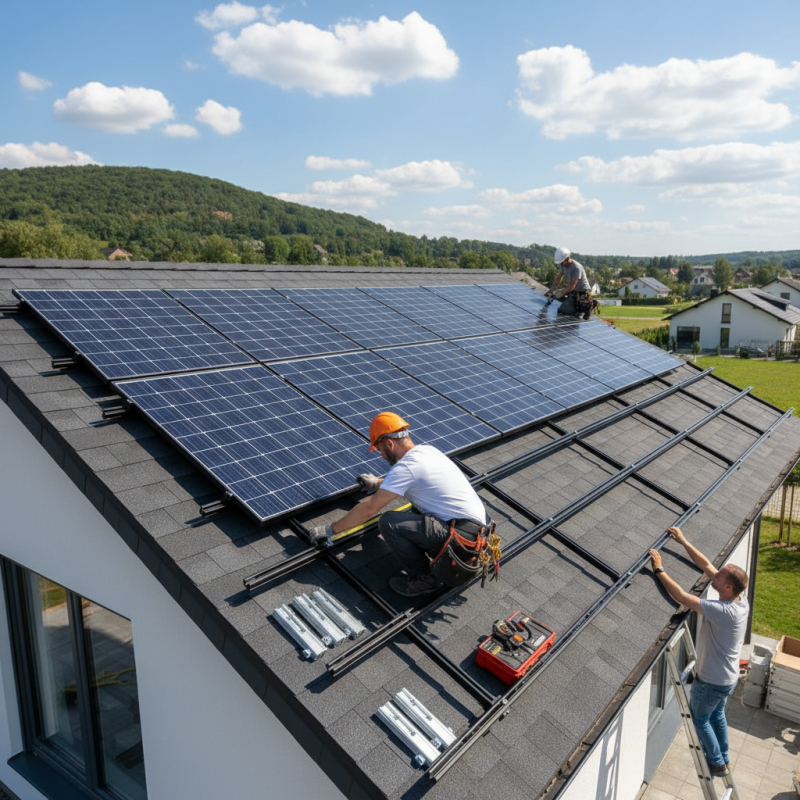
How to Calculate Solar Array Brackets for Optimal Installation?

Understanding Solar Array Brackets and Their Importance in Installation

Solar array brackets play a crucial role in ensuring that solar panels are installed correctly. Their design impacts the efficiency, durability, and safety of the entire solar system. According to a report by the National Renewable Energy Laboratory (NREL), proper mounting can increase the energy output of solar panels by up to 20%. This demonstrates the importance of selecting the right brackets for specific conditions.

Understanding the types and specifications of solar array brackets is essential. They must withstand various environmental factors like wind, snow load, and seismic activity. The American Society of Civil Engineers (ASCE) suggests that the design should accommodate a minimum safety factor of 1.5. This ensures resilience against extreme weather and extends the lifespan of the solar installation. Miscalculations here could lead to costly failures in the future.

When calculating bracket requirements, factors such as panel angles, local climate, and structural integrity must be evaluated. Even small omissions in planning can lead to ineffective installations. Engaging with local regulations and building codes is vital. Neglecting these could result in fines or unsafe structures. Adapting to unique site conditions increases reliability and yield, making comprehensive analysis imperative for optimal setup.

Key Factors to Consider Before Calculating Solar Array Brackets

When calculating solar array brackets, several key factors must be considered. The type of installation site is crucial. Factors like roof slope, orientation, and local climate can significantly affect decisions. For example, flat roofs require different brackets than pitched roofs. A proper assessment of these variables ensures effective energy capture.

Material quality is another important element. Brackets must withstand local weather conditions. Corrosion-resistant materials are essential in coastal areas. Additionally, strength is vital for support. Regular inspections should be conducted to maintain bracket integrity over time. Remember, durability influences long-term performance.

Tips: Always consult local building codes for compliance. Engaging with experienced professionals can prevent costly mistakes. Measure dimensions accurately to avoid installation errors. This proactive approach reduces risks associated with improper bracket placement. Each decision impacts the overall efficiency of the solar array. Reflect on these factors before proceeding.

Step-by-Step Guide to Measuring for Solar Array Brackets

Measuring for solar array brackets is essential for optimal installation. Accurate measurements help ensure stability and efficiency. Begin by assessing the space available for the solar panels. This includes checking the roof type, angle, and any obstacles, such as chimneys or vents. Take note of these elements before proceeding.

Next, gather your tools: a measuring tape, level, and marker. Start measuring the length and width of the solar panels. It's crucial to account for the bracket length and any overlaps when mounting. Measure at least twice to ensure accuracy. Small discrepancies can lead to costly adjustments later on.

Consider the weight distribution when determining bracket placement. An unequal load can cause structural issues. If you're unsure, consulting with a professional can be beneficial. Their experience can help identify potential pitfalls and solutions. Reflect on your installation plan regularly; it can save time and resources during the actual setup. Emphasizing precision in measurements fosters a more successful solar array installation.

Calculating Load Requirements for Optimal Bracket Support

Calculating load requirements for solar array brackets is crucial for ensuring a safe and efficient installation. According to the National Renewable Energy Laboratory (NREL), solar panels can face severe weather conditions. Wind uplift and snow load are two main factors affecting bracket support. In some regions, snow loads can reach up to 60 pounds per square foot. This emphasizes the need for robust brackets that can bear substantial weight.

It's also vital to consider the angle of the installation. A panel tilted at 30 degrees has a different load requirement compared to one at 15 degrees. The tilt impacts how wind pressure acts on the array. Studies indicate that angled arrays can experience lateral forces up to 1.5 times greater than flat panels in windy conditions. Hence, precise calculations for the chosen angle and the local environment are essential for maximum stability.

When determining bracket support, assess the total weight of the panels and the installation's overall design. The American Society of Civil Engineers (ASCE) provides guidelines on structural integrity, emphasizing the importance of proper load distribution. Even minor miscalculations can lead to significant risks. It's advisable to consult with structural engineers during this process. Understanding local conditions can greatly affect the choice of materials and bracket designs.

Solar Array Brackets Load Requirements

Best Practices for Installing Solar Array Brackets for Efficiency

When installing solar array brackets, precision is key. The efficiency of your solar panels depends significantly on how well they are mounted. A secure installation reduces the risk of damage. It also enhances energy capture and longevity.

Consider the orientation of your solar panels. Ideally, they should face south for maximum sunlight exposure. Adjust the tilt angle based on your geographic location. This adjustment optimizes performance year-round. Use a level and check alignment frequently. Even slight inaccuracies can impact energy production.

Tips: Double-check all measurements before securing brackets. A small mistake can lead to complications later. Use corrosion-resistant materials for durability. Regularly inspect the brackets to ensure they remain secure over time.

Be aware of local building codes and requirements. An oversight here can lead to delays or fines. Research any potential shading from nearby structures. Addressing these issues before installation saves time and resources.

How to Calculate Solar Array Brackets for Optimal Installation?

Bracket Type Material Load Capacity (lbs) Installation Angle (degrees) Recommended Spacing (ft)
Fixed Bracket Aluminum 1500 30 5
Adjustable Bracket Steel 2000 15 to 45 4
Flush Mount Bracket Stainless Steel 1000 0 3
Tilted Bracket Aluminum 1700 30 5

FAQS

: Why is it important to measure accurately for solar array brackets?

: Accurate measurements ensure stability and efficiency in installation, preventing costly adjustments later.

What tools are necessary for measuring solar panel dimensions?

You need a measuring tape, level, and marker to measure length and width.

How should I account for bracket length when measuring?

Be sure to include the bracket length and any overlaps in your measurements for a proper fit.

What factors should I consider regarding weight distribution?

Uneven load can cause structural issues, so assess placement carefully for balance.

When should I consult a professional during the measuring process?

Consult a professional if you're unsure about measurements, as they can help identify issues.

How do weather conditions affect bracket load requirements?

Heavy snow and wind can significantly impact load; understanding local conditions is vital.

What is the significance of the panel's tilt angle?

The angle determines load requirements and how wind pressure affects the array stability.

Why is frequent alignment checking important during installation?

Slight inaccuracies might jeopardize energy production; constant verification is crucial.

What materials should be used for durability in bracket installation?

Use corrosion-resistant materials to ensure longevity and reliability of the installation.

How can overlooking local building codes affect the installation?

Ignoring these codes can lead to fines or delays, impacting the overall efficiency of the project.

Conclusion

In the article "How to Calculate Solar Array Brackets for Optimal Installation," the importance of solar array brackets is emphasized as a critical component of efficient solar panel setup. The article covers essential factors that must be considered prior to installation, such as local weather conditions, panel weight, and mounting surface type.

Furthermore, the step-by-step guide provides a thorough methodology for measuring and calculating the load requirements necessary for optimal bracket support. It answers the pressing question, "How to calculate the number of brackets for a solar array?" by detailing the process of assessing these factors to ensure stability and efficiency. Best practices for installation also highlight the significance of precise calculations and strategic placement to maximize solar energy capture.

Mason

Mason

Mason is a seasoned marketing professional with a deep expertise in the company's offerings and a passion for driving brand awareness. With a strong background in digital marketing strategies, he has an innate ability to connect with diverse audiences and effectively communicate product benefits.......