How to Choose the Right Solar Mounting System for Your Home?

Time:2026-08-04 Author:Sienna
0%

Choosing the right solar mounting system for your home can be challenging. Understanding the options available is crucial. This decision influences the efficiency and durability of your solar energy setup. The question most homeowners ask is, "How to choose a solar mounting system for your home?"

Several factors play a role in this choice. The roof type, location, and local weather patterns are all important. For instance, a flat roof may require different mounts than a sloped one. Regional climate conditions could impact the material you select. Each system has its unique advantages and drawbacks, making careful consideration essential.

Many homeowners rush this decision, only to realize later that they overlooked key details. This can lead to inefficiencies and increased costs over time. Seeking expert advice can provide clarity. An informed choice enhances not only energy production but also peace of mind. Take the time to research and reflect on what suits your specific needs.
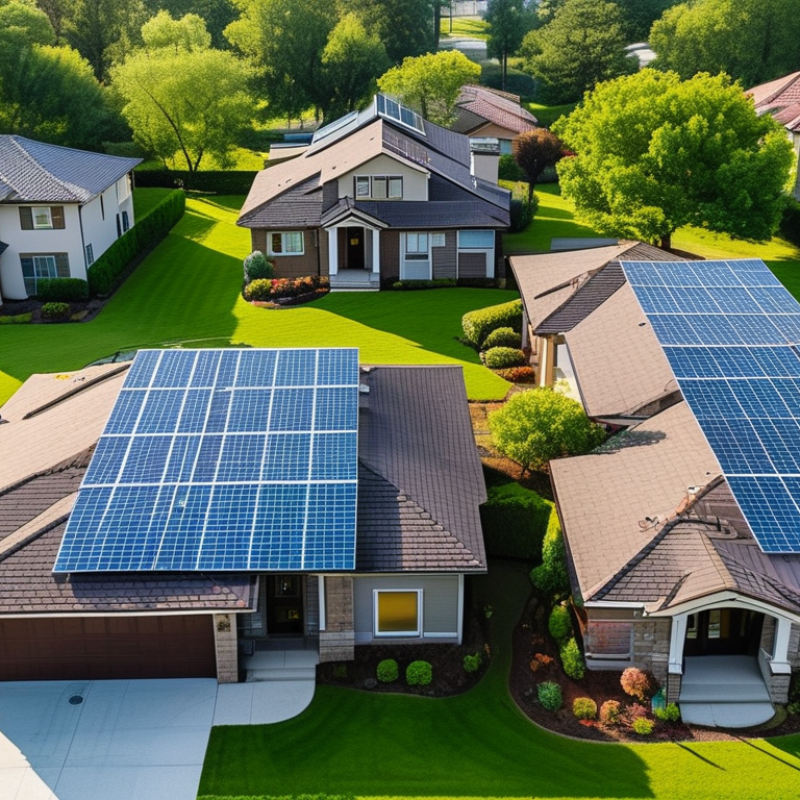
How to Choose the Right Solar Mounting System for Your Home?

Understanding Different Types of Solar Mounting Systems

When choosing a solar mounting system, understanding the options is vital. There are primarily three types: rooftop, ground-mounted, and pole-mounted systems. Rooftop systems are suitable for homeowners with adequate roof space and proper orientation to the sun. Ground-mounted systems are ideal for larger properties, allowing for more flexibility in positioning and angles. Pole-mounted systems can maximize exposure, which is beneficial in areas with limited space.

Consider these tips: Assess your property. Identify the type of mounting system that suits your space best. Make sure it's compatible with your solar panels. Furthermore, think about future enhancements. If you plan to expand your solar setup, a flexible mounting solution is beneficial.

Lastly, consult with experts. They can provide insights tailored to your situation. Installation can be complex, and any missteps may affect efficiency. Remember to research and compare options before making a decision. The more informed you are, the better choice you'll make.

Factors to Consider When Choosing a Solar Mounting System

When selecting a solar mounting system, several key factors must be taken into account. The quality of your roof is crucial. An aging or weak roof may not support solar panels effectively. According to the National Renewable Energy Laboratory, about 25% of roofs in the U.S. need repair or replacement before solar installation. Inspections are essential.

The angle and orientation of your roof also matter. A south-facing roof typically captures the most sunlight. However, unique roof layouts may require custom solutions. A study by the Solar Energy Industries Association emphasizes that optimal tilt can enhance energy output by up to 30%.

Tips: Consider microinverters or power optimizers. These can help maximize system efficiency. It’s wise to consult local experts who are familiar with regional weather conditions. They can provide insights into the best materials for your area.

Also, evaluate your local regulations and permitting requirements. Some areas have stringent rules for solar installations. Not knowing these can lead to delays. Engage with local authorities or consultants for accurate guidance. Reassessing these aspects will ensure you make informed choices.

Evaluating Roof Structure and Compatibility for Solar Panels

When considering solar panel installation, the roof structure is a critical factor. A sturdy roof can support the weight of the solar panels. Most residential roofs can handle this weight, but it’s essential to inspect them first. Look for signs of wear or damage. Cracked shingles or deteriorating wood can affect the installation. If your roof is older, evaluate whether it needs repairs or replacement before adding solar.

Tips: Conduct a thorough roof inspection to ensure its integrity. Consult a structural engineer if there are any doubts about your roof's capability. They can provide valuable insights.

Compatibility is another key aspect. Not all roofing materials suit solar panels equally. For instance, metal roofs generally work well with solar installations, while tile roofs may require special mounting techniques. Keep in mind that some roofs may require additional framing for support. These factors can increase the overall project cost.

Tips: Understand the specific requirements of your roofing material. Seek guidance from experienced solar installers who can assess your roof. Their expertise can save you from potential issues down the line.

Assessing Local Climate and Environmental Conditions

When selecting a solar mounting system, consider your local climate. Weather patterns directly influence solar panel efficiency. For instance, areas with high wind speeds require robust mounting solutions. According to the National Renewable Energy Laboratory (NREL), wind loads can exceed 100 mph in some regions, necessitating a sturdy system.

Temperature is another crucial factor. Extreme heat can affect solar panel performance. A study by the Solar Energy Industries Association (SEIA) found that solar energy output drops by about 0.5% for every degree Celsius above 25°C. Homes in hotter climates may need more advanced cooling solutions.

Environmental conditions, such as heavy snowfall or excessive rainfall, should also be evaluated. In snow-prone areas, a tilt of panels can help snow slide off. Excess moisture can impact mounting materials, so rust-resistant options are advisable. Ignoring these factors may compromise the system’s durability and effectiveness. Engaging with a local solar expert can guide homeowners through these complex decisions.

How to Choose the Right Solar Mounting System for Your Home? - Assessing Local Climate and Environmental Conditions

Location Average Temperature (°C) Annual Rainfall (mm) Wind Speed (km/h) Recommended Mounting Type
Los Angeles, CA 20 380 15 Fixed Roof Mount
Seattle, WA 12 950 10 Ground Mount
Miami, FL 25 1,600 20 Tilted Roof Mount
Chicago, IL 10 900 12 Fixed Roof Mount
Denver, CO 15 400 18 Ground Mount

Budgeting for Installation and Long-Term Maintenance Costs

When considering a solar mounting system, budgeting for installation and maintenance is crucial. A report by the National Renewable Energy Laboratory (NREL) indicates that installation costs can vary significantly. On average, homeowners can expect to spend between $1,500 to $2,500 per kilowatt installed. This means a standard 6 kW system may cost around $9,000 to $15,000 before incentives.

Long-term maintenance is another factor to consider. Most systems require minimal upkeep, yet it's vital to set aside 1%-2% of the total installation cost each year for maintenance. This accounts for occasional cleaning, inspections, and potential repairs. For a $12,000 system, this totals $120-$240 per year.

Tip: Before installation, get multiple quotes. This way, you can compare costs and find the best deal without compromising quality.

It's tempting to focus solely on upfront costs, but don't overlook long-term expenses. Solar technology evolves. Components may need upgrades over time. Being aware of future expenses helps ensure financial sustainability.

Tip: Research local incentives. Rebates and tax credits can alleviate initial costs. They may significantly lower the total expenditure, improving your return on investment.

FAQS

: What are the main types of solar mounting systems?

: The three main types are rooftop, ground-mounted, and pole-mounted systems. Each suits different property needs.

Who should consider rooftop solar systems?

Rooftop systems work best for homeowners with adequate roof space and good sun orientation.

What advantages do ground-mounted systems offer?

Ground-mounted systems allow larger properties better positioning and angles for optimal solar exposure.

Why use pole-mounted solar systems?

Pole-mounted systems maximize exposure in tight spaces, ideal for properties with limited area.

How does local climate affect solar panel performance?

Weather impacts efficiency; high winds require sturdy mounts, and extreme heat lowers output.

What should you consider for snowy climates?

In snow-prone areas, tilting panels can help snow slide off and prevent buildup.

Why is consulting with experts important?

Experts offer tailored advice on system compatibility and installation complexities.

How do temperature extremes influence solar energy output?

Solar output drops approximately 0.5% for each degree Celsius above 25°C, impacting hotter climates.

What materials should I consider for mounting?

Opt for rust-resistant materials in areas with moisture to avoid durability issues.

What mistakes should be avoided when choosing a solar system?

Ignoring environmental factors may compromise system effectiveness and longevity.

Conclusion

When considering how to choose a solar mounting system for your home, it is essential to understand the different types available, each serving specific installation needs. Factors such as the configuration of your roof structure, the compatibility of solar panels, and local climate conditions play a crucial role in selecting the most suitable system. Evaluating these elements ensures optimal performance and longevity of your solar energy system.

Additionally, budgeting for both installation and long-term maintenance costs is vital for a successful solar project. By weighing all these factors, you can make informed decisions that will maximize the efficiency and effectiveness of your solar power investment, ultimately contributing to greater energy savings and environmental sustainability.

Sienna

Sienna

Sienna is a skilled marketing professional with a deep expertise in our company’s core products and services. With a passion for innovation and detail, she plays a pivotal role in crafting insightful blog posts that not only highlight the unique features of our offerings but also provide valuable......