Corrosion resistance is a crucial factor in the longevity and efficiency of solar hardware. As solar energy gains traction, understanding why is corrosion resistance important for solar hardware? becomes increasingly vital. Solar panels and mounting systems face harsh environmental conditions. Rain, humidity, and salty air can lead to significant corrosion over time. This deterioration can reduce energy output and increase maintenance costs.
Manufacturers focus on materials that resist corrosion to ensure durability. High-quality metals and protective coatings are essential. These innovations help solar systems withstand the elements, enhancing reliability. A solar investment is often long-term, making corrosion resistance necessary for sustainable performance.
However, not all solar hardware prioritizes corrosion resistance equally. Some lower-cost options can compromise on quality. This trade-off can lead to unexpected failures, necessitating costly repairs. Investing in corrosion-resistant products may seem excessive, yet it pays off in the long run. The right materials can last decades, providing peace of mind and consistent energy production. Therefore, understanding the importance of corrosion resistance can shape better purchasing decisions and strategies for solar energy projects.
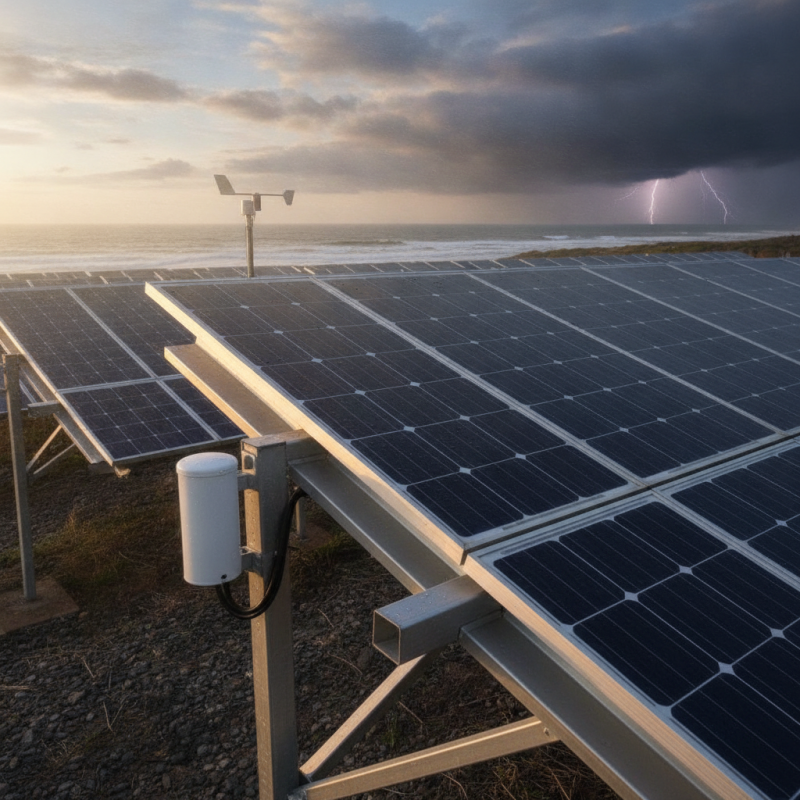
Corrosion resistance is crucial for solar hardware. Solar panels and related equipment must withstand various environmental stressors. Rain, humidity, and even salt from nearby oceans can accelerate corrosion. Corrosion compromises not only aesthetics but also function. It can lead to costly repairs or premature system failures.
Investing in corrosion-resistant materials is essential for long-term performance. These materials often cost more upfront but save money over time. The harsh conditions in many installations require materials that can endure. Equipment failure can halt energy production, impacting financial returns. Therefore, industry professionals must prioritize selecting hardware that promises durability.
There are various methods to improve corrosion resistance. Some manufacturers use protective coatings, while others employ specialized alloys. However, not all solutions are perfect. Depending on the environment, certain methods may not last as long as expected. Regular inspections are necessary to catch signs of wear early. This proactive approach can prevent serious damage and save resources.
Corrosion can severely impact solar components. It occurs when materials degrade due to environmental factors. This degradation can lead to reduced efficiency and lifespan of solar hardware. For example, metal parts often suffer from rusting. This can compromise the entire solar system's performance.
There are several common causes of corrosion. Moisture, salt, and pollutants can accelerate the process. Coastal areas are particularly at risk. In these locations, protective coatings become essential for solar panels and mounts. Regular maintenance is crucial to identify early signs of corrosion and prevent serious damage.
Tip: Inspect your solar installation regularly. Look for signs of wear or corrosion. Adjust your maintenance schedules based on environmental conditions.
Another important factor is choosing the right materials. Stainless steel and aluminum can offer better corrosion resistance than standard metals. However, they may be more expensive. Weighing initial costs against long-term benefits is vital. Keep in mind that cheap materials might lead to higher costs in the future.
Tip: Consider investing in corrosion-resistant materials. They provide better long-term value and protect your investment effectively. Regular assessments will help maintain optimal functioning for years to come.
| Corrosion Resistance Factor | Impact on Solar Hardware | Example of Affected Components | Long-term Benefits |
|---|---|---|---|
| Protects Against Environmental Damage | Reduces degradation caused by harsh weather | Frames, Mounting Structures | Increases lifespan of installations |
| Enhances Performance Reliability | Ensures consistent energy output | Inverters, Connectors | Enhances return on investment |
| Reduces Maintenance Costs | Minimizes frequency of repairs | Cabling, Junction Boxes | Saves operational expenses |
| Improves Aesthetic Lifespan | Maintains visual appeal of installations | Panels, Enclosures | Increases property value |
Corrosion resistance is crucial for solar hardware. In environments with high humidity or salt spray, such as coastal areas, corrosion can significantly impact performance. Key materials used in solar installations include aluminum, stainless steel, and specialized coatings.
Aluminum is lightweight and resists corrosion naturally. Stainless steel offers strength and durability, enhancing structural integrity.
Tip: Regular inspections can reveal early signs of corrosion. This proactive approach can save costs in repairs.
Specialized coatings provide an additional layer of protection. These coatings can significantly increase longevity. However, not all coatings perform equally. Some may degrade faster under UV exposure or extreme weather.
Tip: Choose materials based on your local environment. Understanding local weather patterns can guide better material choices. Investing in high-quality components upfront will pay off in long-term durability.
Corrosion is a significant threat to solar hardware, impacting durability and efficiency. According to a report by the International Renewable Energy Agency, corrosion can reduce the lifespan of solar panels by up to 25%. This is a costly issue for operators and investors alike. Implementing best practices is key to safeguarding these systems.
Regular inspections play a crucial role. They help identify signs of corrosion early. Cleaning solar panels from salt and dirt can also help. For areas near the coast, coatings such as marine-grade paint are effective. It’s essential to choose materials that resist corrosion, like stainless steel or aluminum.
Tip: Use protective barriers to shield hardware from harsh elements.
Storage is often overlooked. Properly storing components before installation can prevent initial corrosion. Always ensure your hardware is sheltered from moisture and extreme temperatures.
Tip: Invest in quality protective gear for installations. It reduces damage risk and enhances overall system resilience.
Addressing corrosion actively can prolong the operational life of solar systems. Be aware that ignoring these issues may lead to expensive repairs and system inefficiency. The costs can stack up rapidly if corrosion is not managed effectively.
Corrosion resistance in solar hardware is crucial for longevity and performance. Investing in corrosion-resistant materials can significantly reduce maintenance costs. For example, a study by the National Renewable Energy Laboratory found that corrosion-related issues can lead to a 20% reduction in energy output over the lifespan of solar panels. Such losses can be financially devastating for solar operators.
Furthermore, the initial investment in corrosion-resistant systems often pays off. A report by the Solar Energy Industries Association indicated that installations using high-quality corrosion-resistant materials have longer lifespans. This results in lower replacement costs over time. Solar panels can face harsh environments, including salt spray and humidity. Corrosion can severely affect efficiency and lead to early failure.
It’s not just about immediate savings. The overall cost of ownership reflects long-term sustainability. Companies that prioritize corrosion resistance often see enhanced reliability. In an industry where durability is vital, failure to consider corrosion resistance may result in substantial setbacks. Evaluating materials and techniques can lead to better performance and peace of mind.
: Corrosion is the degradation of materials due to environmental factors. It affects the efficiency and lifespan of solar hardware.
Factors like moisture, salt, and pollutants can accelerate corrosion. Coastal areas are particularly vulnerable due to high humidity.
Corrosion can lead to reduced efficiency and performance. For instance, rust on metal parts can compromise the entire solar system.
Aluminum and stainless steel offer better corrosion resistance than standard metals. They enhance durability in harsh environments.
Regular inspections can identify early signs of corrosion. This proactive approach can prevent serious damage and save repair costs.
Yes, coatings provide extra protection and increase longevity. However, some may degrade faster under UV exposure or extreme weather.
Look for signs of wear or corrosion. Inspect metal parts and other materials regularly based on your local conditions.
Consider local environmental factors. Choose materials that resist corrosion effectively to ensure long-term performance.
Investing in corrosion-resistant materials can provide better long-term value and protect your investment effectively.
Yes, using cheap materials might lead to higher repair costs over time. It's better to weigh initial costs against long-term benefits.
Corrosion resistance is crucial for solar hardware due to its significant impact on the longevity and performance of solar energy systems. Understanding the types of corrosion and how they affect solar components is essential for maintaining efficiency. Key materials are employed in solar hardware to enhance durability against harsh environmental conditions, ensuring that the systems remain operational over time.
To protect solar hardware from corrosion, best practices must be implemented, including regular maintenance and using corrosion-resistant materials. By investing in corrosion-resistant solar systems, stakeholders can realize long-term benefits, including reduced replacement costs and improved energy output. Ultimately, addressing the question "Why is corrosion resistance important for solar hardware?" reveals that such measures are vital for the stability and efficiency of solar energy solutions.

Soltrux Solar