When exploring solar energy options, many homeowners ask, "What is the cost difference between roof and ground mounts?" Understanding the financial implications is crucial for informed decision-making. According to the National Renewable Energy Laboratory, ground-mounted systems typically cost between $1.50 to $3.00 per watt, while roof-mounted systems may range from $2.00 to $4.00 per watt. This variation often stems from installation complexity and site conditions.
In examining roof and ground mounts, consider installation factors. Roof mounts take advantage of existing structures, potentially lowering costs. However, they may face limitations like roof orientation and space. Ground mounts offer flexibility and may be easier to install. Yet, they require additional land and can incur additional costs, such as grading.
Various reports have highlighted that while ground mounts can be more expensive upfront, they might provide better long-term return on investment. The question is not solely about initial costs but also about efficiency and energy production. Evaluating these aspects can lead to ideal solutions tailored to individual needs and contexts.
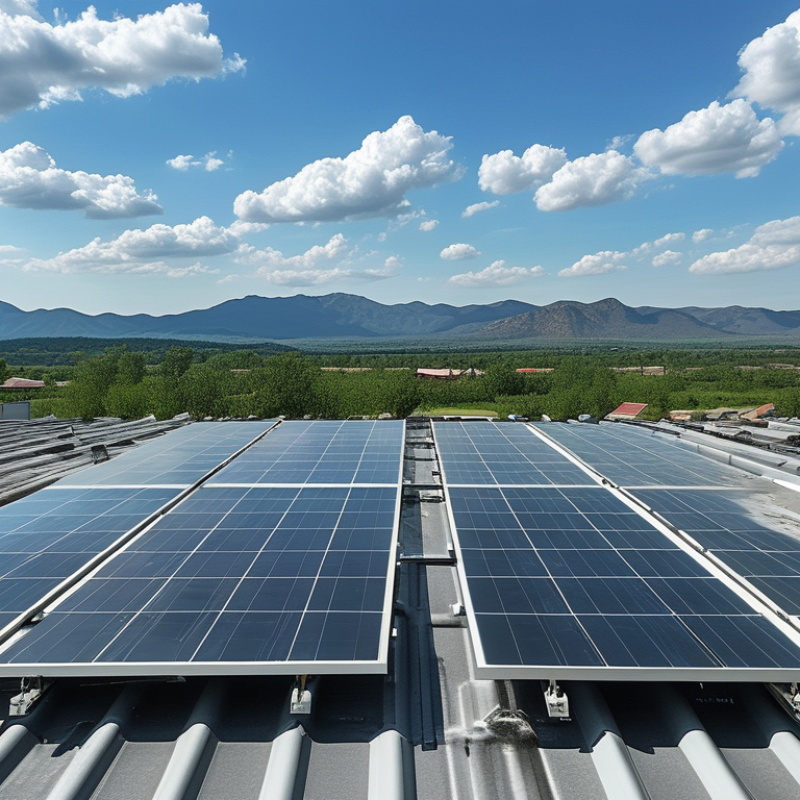
When considering the cost of roof mount systems, various factors come into play. The complexity of roof designs affects installation costs. Unique angles,
multiple levels, or existing structures can increase labor time. Labor costs vary significantly by location, impacting overall expenses.
In urban areas, higher living costs can translate into more expensive installation services.
Roof materials also influence pricing. A slate or tile roof may require more specialized equipment, raising material costs. The age of the roof is another consideration;
older roofs may need repairs before installation. Weather conditions can further complicate the process.
Rain or extreme temperatures can slow down work, requiring extended timelines.
Permitting and inspections add layers of cost too. Local regulations differ, and navigating these can be tricky. Some roofs may require additional reinforcements, which increases material and labor needs.
While roof mounts are often seen as convenient, they come with unique challenges that can unexpectedly impact budgets. Understanding these nuances can help homeowners make informed financial decisions.
When comparing the cost of roof and ground mount solar systems, several key factors influence ground mounts specifically. One significant element is site preparation. Ground mounts may require grading, trenching, or the installation of concrete footings. This labor-intensive work can add substantial costs to the overall project. The National Renewable Energy Laboratory highlights that ground mounts can increase installation costs by as much as 25%.
Another influential factor is the type of material used in the mounting system. Ground mounts often use heavier, more robust materials to withstand harsh weather conditions. This results in higher material costs compared to roof mounts. Reports from the Solar Energy Industries Association indicate that the material expenses alone can contribute over 15% to the total price of ground-mounted installations.
Additionally, the local labor market plays a crucial role in determining installation costs. Some regions have higher labor rates due to demand for skilled workers. In isolated areas, transportation costs for equipment and materials can also drive up expenses. As a result, understanding these variables is crucial for stakeholders considering ground-mounted solar systems. The complexity in estimating total costs reflects the unique challenges in each project.
This bar chart compares the costs associated with roof mount systems and ground mount systems across various factors including Installation Cost, Maintenance Cost, Land Preparation Cost, Permit Fees, and Material Cost. As shown, ground mount systems generally incur higher costs in almost all categories compared to roof mount systems.
When comparing roof mounts and ground mounts for solar installations, installation complexity plays a crucial role. Roof mounts often require precise measurements and specialized skills. An installer must navigate roof angles and various materials. This adds to the overall labor intensity. In contrast, ground mounts generally offer a more straightforward setup process. They typically involve less labor-intensive methods and simpler site access.
However, ground mounts are not without their challenges. Site preparation can be complex. Factors like terrain, soil type, and drainage need careful consideration. A flat area may seem ideal, but even small slopes can complicate installations. These elements may increase costs unexpectedly. The choice of mount impacts installation time. Roof mounts may take longer, but are often less affected by site conditions.
Furthermore, it's important to acknowledge that installation practices vary widely. Not all contractors bring the same level of expertise. Issues may arise from unique building structures or local regulations. Each project is a learning opportunity. Understanding these factors can lead to a more effective decision-making process. This helps homeowners and businesses anticipate potential problems during the installation phase.
When comparing roof mounts and ground mounts for solar panels, maintenance plays a crucial role. Roof mounts, while offering space efficiency, can lead to complex maintenance. Access is limited, especially on steep or high roofs. This can increase labor costs. According to a recent report from the National Renewable Energy Laboratory, maintenance costs for roof-mounted systems can be up to 20% higher than ground-mounted systems.
Ground mounts typically provide easier access. This can simplify maintenance tasks, such as cleaning and inspections. Regular maintenance is vital; neglect can lead to decreased efficiency. One study highlighted that well-maintained ground-mounted systems outperform poorly maintained roof systems by up to 30% over time. This difference emphasizes the importance of considering long-term maintenance costs when selecting mount types.
Installation costs also vary significantly. Ground-mounted systems often involve additional site preparation, which can add upfront expenses. However, these costs may be offset by lower maintenance over the years. Homeowners should weigh immediate costs against long-term benefits. Understanding hidden costs can lead to better decisions in solar investments.
When considering solar panel installation, the choice between roof and ground mounts can vary widely in cost. One factor influencing these variations is regional differences. Areas with higher labor costs will see more substantial price differences. Additionally, local regulations can add extra expenses to mounting systems. It’s essential to research local ordinances when budgeting for installation. In some regions, permits and inspections raise costs significantly.
The type of terrain also plays a major role. Rocky or uneven ground often requires more robust and therefore costlier foundations for ground mounts. In contrast, a straightforward roof installation might only need basic mounting hardware. However, not every roof type is suitable for solar panels. Complex roof designs can lead to increased installation challenges, which directly influence expenses.
It's crucial to remember that not all installations are straightforward. In some cases, homeowners might find that ground mounts provide better energy efficiency than roof options, despite higher initial costs. Evaluating energy needs and the suitability of different mounting systems should be a careful and informed process. Every site will come with its unique challenges and advantages that will impact overall expenses.
| Region | Mount Type | Average Cost ($) | Installation Complexity |
|---|---|---|---|
| Northeast | Roof | 3,200 | Moderate |
| Northeast | Ground | 4,500 | High |
| Southeast | Roof | 2,800 | Low |
| Southeast | Ground | 4,200 | Moderate |
| Midwest | Roof | 3,000 | Moderate |
| Midwest | Ground | 4,000 | High |
| West | Roof | 3,500 | Low |
| West | Ground | 5,000 | Very High |
: Roof design complexity, labor costs, and material types all influence costs.
Labor costs are generally higher in urban areas due to living costs.
Older roofs often need repairs before new installations can occur.
Site preparation, materials, and local labor market conditions affect ground mount expenses.
They often require extensive site work like grading and concrete footing installation.
Rain or extreme temperatures can slow down the installation process and increase costs.
Roof mounts can be harder to access, often increasing maintenance costs compared to ground mounts.
Well-maintained ground-mounted systems can outperform poorly maintained roof systems by 30%.
Long-term costs can significantly impact the overall effectiveness and savings of a solar investment.
Permitting, inspections, and potential roof reinforcements can add unanticipated expenses.
The article "Why Is There a Cost Difference Between Roof and Ground Mounts?" explores the various factors that contribute to the cost discrepancies between roof-mounted and ground-mounted solar systems. Key elements influencing the expenses of roof mount systems include installation complexity, structural requirements, and potential roof modifications, which can elevate costs. In contrast, ground mounts may incur additional expenses related to land preparation and the need for more robust foundations, depending on the geographical conditions.
This comparative analysis highlights installation complexities and the long-term maintenance costs associated with each type of mount. Additionally, regional variations significantly impact overall expenses, suggesting that "What is the cost difference between roof and ground mounts?" can vary widely based on location and specific site conditions. Understanding these factors is crucial for homeowners and businesses considering solar energy solutions.

Soltrux Solar