When it comes to solar energy, choosing the right equipment is crucial. "How to choose weather-resistant solar brackets?" is a common question among homeowners and installers alike. Dr. Emily Carter, a leading expert in solar technology, emphasizes the importance of durability: "The right solar brackets can ensure longevity and efficiency in any climate."
Selecting weather-resistant solar brackets requires careful consideration. The materials used, design features, and installation methods can significantly impact performance. Brackets must withstand harsh weather conditions, such as heavy rain or strong winds. Many people overlook the significance of these factors, which can lead to costly repairs or replacements over time.
It’s also essential to research the manufacturer’s reputation. Reliable brands often offer warranties that demonstrate their commitment to quality. A lack of information or transparency can raise doubts. Make sure to gather reviews from trusted sources. By weighing all these aspects, you can make an informed choice and ensure your solar installation thrives in diverse environments.
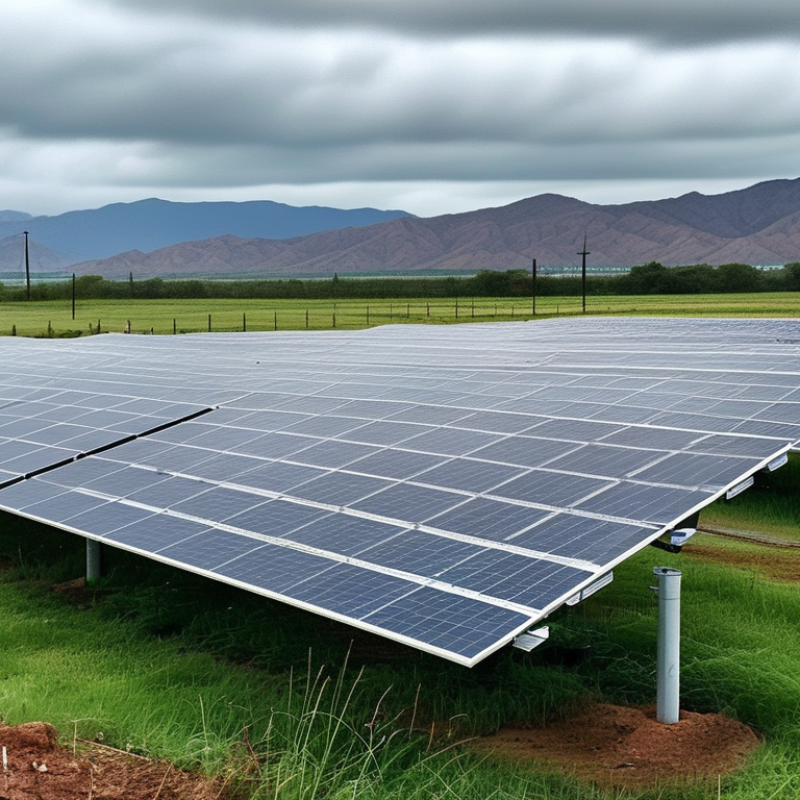
When selecting solar brackets, understanding weather resistance is crucial. Weather-resistant solar brackets can withstand various elements. This includes UV rays, rain, snow, and high winds. They must be made from materials that endure intense conditions over time. Corrosion-resistant metals, like aluminum or stainless steel, are often preferred. These materials prevent rust and maintain structural integrity.
Look for features like protective coatings or finishes. A good coating helps shield the brackets from harsh weather. However, not all coatings are equal. Some may wear off too quickly, leading to deterioration. Regular inspection of your solar brackets is necessary. Signs of wear can indicate an impending failure.
Another factor is the design of the bracket. The shape and configuration can affect how well it handles wind load. An improper design might not anchor well, resulting in shifting or even breakage. Pay attention to local weather patterns. Knowing the typical weather conditions in your area can guide you in making informed choices. This information is vital for ensuring durability and performance.
When selecting solar brackets, material choice plays a critical role in durability and performance. Various materials offer distinct benefits and drawbacks. Aluminum is lightweight, resistant to corrosion, and easy to install. However, its strength may not match that of steel, which is much sturdier but heavier and more prone to rust if not properly treated.
Plastic composites are another option. They are resistant to UV rays and harsh weather. Yet, they may not withstand extreme temperatures over time. When examining materials, consider the local climate. Environments with high humidity or saltwater exposure demand more resilient options. Reflecting on your specific installation will help guide your decision. Reinforcement features are also crucial to enhance reliability. Look for brackets with extra support structures, preventing wear and tear.
Choosing the right material is essential for maximizing the lifespan of your solar energy system. However, the industry is evolving, and newer materials could emerge. Staying updated with the latest advancements may provide better solutions. Even a small oversight in material selection can lead to significant issues down the line, including structural failure or costly repairs. Always research thoroughly and consult experts when necessary.
When selecting weather-resistant solar brackets, assessing corrosion resistance is crucial for ensuring longevity. Corrosion can significantly weaken the structural integrity of solar mounting systems. Research indicates that over two-thirds of solar energy systems face performance issues due to underlying corrosion problems. Materials play a vital role in this context. Stainless steel is often recommended for its superior resistance, but not all grades offer the same protection.
Environmental factors also contribute to corrosion risks. Areas with high humidity or salty air can accelerate the deterioration of metal components. A study published in the Journal of Renewable Energy highlighted that, in coastal regions, installations without proper corrosion-resistant coatings faced a 30% reduction in life expectancy. This underscores the necessity of selecting brackets with adequate protective finishes.
Installation practices must also be evaluated. Improperly sealed connections can create moisture traps, leading to premature corrosion. Regular inspections are essential to identify and address these issues before they escalate. Investing in quality and performing due diligence can mitigate long-term costs related to maintenance and replacements. This thoughtful approach can ensure a dependable and durable solar energy system.
When selecting solar brackets, it's crucial to evaluate their design concerning wind and snow load. The materials used in brackets must withstand harsh weather conditions. Steel and aluminum are popular choices due to their strength. However, the specific design features can make a significant difference in performance.
Brackets should have a low profile to reduce wind resistance. An aerodynamic shape helps prevent uplift during storms. Additionally, the mounting system must secure the solar panels firmly. This ensures they remain in place despite heavy winds or snow accumulation. It’s vital to check load ratings and ensure they align with local weather patterns.
Consider local climate conditions carefully. Areas with heavy snowfall may require reinforced designs. While many brackets claim to resist these loads, not all meet the rigorous standards you need. Testing and certification are essential in determining their reliability. It's important to question whether the bracket will hold up after years of exposure. Thinking about these factors can prevent costly repairs later.
When selecting solar brackets for outdoor installations, weather resistance is crucial. Installing brackets improperly can lead to structural failure. According to a recent industry report, 30% of solar panel failures are linked to inadequate mounting systems. This emphasizes the need for attention to detail when it comes to choosing the right materials and design.
Ensure brackets are made from corrosion-resistant materials. The best options are stainless steel or aluminum. These materials can withstand harsh weather conditions. Pay attention to the coating, as it significantly impacts durability. A study highlighted that panels mounted with UV-resistant coatings last 25% longer in extreme climates.
Proper installation techniques matter just as much. Ensure brackets are securely attached to roofs or ground mounts. Follow the manufacturer's guidelines on torque settings. A misalignment of even a few degrees can lead to issues. Be aware of local environmental conditions, such as heavy snowfall or high winds. Neglecting these factors can result in costly repairs. Use sealants designed for outdoor conditions to prevent water infiltration. Remember, attention to these installation specifics ensures optimal performance over time.
: Corrosion-resistant metals like aluminum and stainless steel are preferred for their durability against harsh conditions.
Good coatings shield brackets from weather. However, some may wear off quickly, leading to deterioration.
Regular inspections help identify signs of wear, which can signal potential failure and costly repairs.
The shape and configuration affect how well brackets handle wind and snow loads, impacting overall performance.
Corrosion can weaken structural integrity. Choosing materials with proper resistance ensures longer lifespan.
Knowing typical weather conditions helps guide informed choices about bracket durability and performance requirements.
Improperly sealed connections can trap moisture, leading to premature corrosion. Proper sealing is essential.
Not all brackets meet necessary standards for wind and snow resistance. Testing and certifications are crucial.
Over two-thirds of solar systems face problems due to corrosion, highlighting the importance of proper material selection.
Invest in quality materials, conduct regular inspections, and consider local climate when selecting designs.
Choosing the right solar brackets is crucial for ensuring the longevity and performance of solar installations, particularly in challenging weather conditions. When considering how to choose weather-resistant solar brackets, it is essential to understand the concept of weather resistance in brackets, which includes evaluating the materials used for durability and assessing corrosion resistance for enhanced longevity.
Additionally, proper bracket design plays a significant role in withstanding wind and snow loads, making it imperative to select designs that can effectively manage these stresses. Finally, following installation guidelines is vital to optimize the weather performance of solar brackets. By considering these factors, you can make informed decisions that protect your solar investment from the elements.

Soltrux Solar