Moving ground-mounted solar panels can be a complex task. Many homeowners wonder, "Can ground-mounted solar panels be moved easily?" According to David Green, an industry expert at Solar Solutions, "Relocating these systems requires careful planning and attention to detail." His insights shed light on the nuances of this process.
Ground-mounted solar panels are typically anchored securely to the ground. This makes their relocation not just a simple task. It often involves disassembling the mounting system, handling electrical connections, and sometimes securing new permits. Each step deserves careful consideration to maintain system efficiency and safety.
Weather conditions and site accessibility can complicate the process further. If the soil is too wet or frozen, moving panels becomes challenging. Homeowners must also account for local regulations that may restrict relocation. Working with professionals who have practical experience ensures better results. Their expertise can help avoid costly mistakes during relocation efforts.
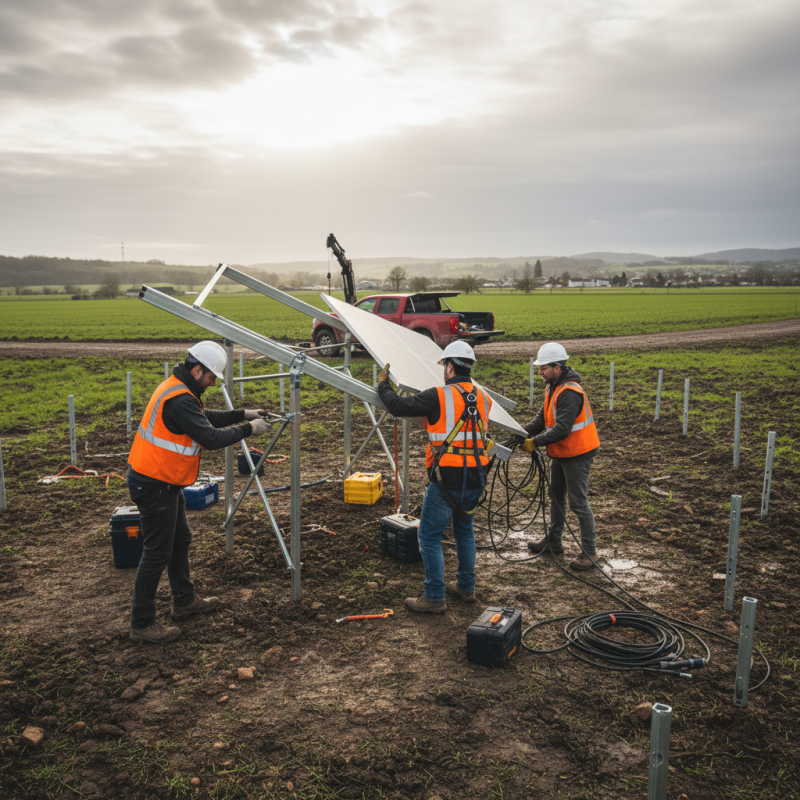
Ground-mounted solar panels are gaining popularity due to their efficiency and adaptability. Unlike rooftop systems, these panels are placed on the ground, making them ideal for various terrains. According to the Solar Energy Industries Association, ground-mounted installations accounted for approximately 24% of all solar installations in the U.S. in 2022. They can capture more sunlight since they are not limited by roof angles or shading issues.
When planning to install these systems, sunlight exposure is key. Ensure your site receives enough sun throughout the year. Soil stability also matters. Soft or sandy soils can lead to structural issues down the line. It’s crucial to conduct a proper assessment before installation begins.
Tip: Always consult a professional installer. They can guide you in selecting the right location and orientation for optimal efficiency. Additionally, consider seasonal changes in sunlight. Regularly check for obstructions, like growing trees, to maintain peak performance. This diligence may prevent costly adjustments in the future. Effective maintenance is vital to long-term success.
This chart illustrates the energy production of ground mounted solar panels throughout the year, showcasing how efficiency changes with the seasons.
Assessing the need for relocating ground mounted solar panels is crucial. Various factors might trigger this decision. For instance, property development, land changes, or shading issues from nearby trees can all affect solar efficiency. Before making a move, assess how these factors impact your energy production.
Consider your current panel placement. Is it receiving enough sunlight throughout the day? If not, it might be time to reconsider their location. Also, evaluate the surrounding environment. Ensure that future landscaping won’t obstruct your solar panels. Sometimes, moving may seem simple, but unexpected challenges can arise. Local regulations might impose restrictions on where you can relocate the panels.
Take the time to reflect on your energy needs. Will relocating provide significant benefits? Analyze your energy bills and production rates. Gathering this data can guide your decision. It’s essential to be prepared for possible complications, such as additional installation costs or needing new permits. Your solar panel system is an investment, so every move should be well-considered.
Relocating ground-mounted solar panels requires careful preparation. Before you start, gather essential tools and materials. You will need a wrench set, a shovel, and a measuring tape. These basic tools are vital for dismantling and reassembling the panels. Make sure you also have sturdy gloves and safety glasses. Personal safety is important, even in a simple move.
You might face some challenges while moving. Ensure you have a reliable assistant to help lift the panels. Solar panels can be heavy and awkward to maneuver. If you’re uncertain about your technique, consider watching instructional videos. Knowledgeable sources can guide you through the process. Remember, improper handling might damage the panels or wiring.
Plan your new setup location carefully. Consider sunlight exposure and local regulations in your area. Discuss your intentions with neighbors if necessary. Sometimes, permissions may be required. Planning ahead can save you time and avoid headaches later. Moving solar panels is more than just physical effort; it's about thoughtful preparation and execution.
Moving ground-mounted solar panels can be a crucial task for homeowners or businesses. Proper planning is essential for a smooth transition. According to the Solar Energy Industries Association, the U.S. solar market grew 42% in 2020, emphasizing the need for knowledge in handling solar panel systems.
Before starting, disconnect the panels from the inverter. Ensure safety gear is worn, including gloves and goggles. The weight of panels varies, and some installations involve heavy mounting structures. This means correct lifting techniques are vital. Teamwork is key, as some panels can weigh over 40 pounds each.
**Tip:** Use padded blankets to protect the panels during transit.
Consider the new location carefully. Check sunlight exposure and ensure that no obstacles will block rays. This is critical for maintaining efficiency. A misalignment can lead to significant energy loss. Less than optimal placement can dramatically reduce output.
**Tip:** Create a layout plan before relocating panels.
Remember, take your time with disassembly. Rushing can cause stress and lead to damage. It’s important to reflect on best practices, as mishandling can affect performance. The right approach ensures installations remain robust and effective, maximizing solar energy harvest.
Relocating solar panels requires careful planning and execution. Before you begin, assess the new site for optimal sunlight exposure. Ideally, panels should face the sun directly without obstruction. Take notes on the angles and distances. This ensures maximum efficiency for your solar system.
Disassembling the panels involves several steps. Disconnect wires carefully to avoid damaging them. Use the right tools for removal to prevent injury or equipment harm. It can be tricky if you're not experienced. Check for any loose connections; these can impact performance later. After disassembly, inspect the panels and mounting structure for any signs of wear. This attention to detail can save time and costs later on.
When reinstalling, align the panels to match the previous installation angles. Remember to secure all fixtures tightly. Loose hardware can lead to vibrations and damage over time. Adjusting can also involve recalibrating the inverter settings. This may require research and a bit of technical knowledge. Be prepared for challenges; every move presents unique obstacles. Learning from mistakes and successes during the process enhances your skill set and confidence in managing solar technology.
: Assess property changes, shading from trees, and your energy production efficiency. These factors are crucial for decision-making.
Evaluate sunlight exposure at the current location. Your panels need direct sun for optimal energy production.
Disconnect panels from the inverter. Always wear safety gear like gloves and goggles during the process.
Yes, prepare for potential costs, including installation and new permits. Evaluate if benefits outweigh these expenses.
Use proper tools to disconnect wires carefully. Avoid equipment damage and ensure a smooth removal process.
Inspect for wear or loose connections. This attention to detail can prevent future performance issues.
Align panels to the previous installation angles. Tighten fixtures securely to avoid vibrations later.
Definitely. Many panels are heavy. Having help ensures safety and proper handling.
Yes, create a layout plan. It helps avoid obstacles and improves efficiency in the new placement.
Rushing can lead to mistakes and potential damage. Take your time to ensure a safe and effective move.
The article titled "How to Easily Move Ground Mounted Solar Panels?" provides a comprehensive guide for homeowners considering relocating their solar panel systems. It begins with an overview of ground-mounted solar panels, explaining their installation and advantages. Following this, readers are encouraged to assess their specific reasons for moving the panels, which may include changes in landscape or optimizing sunlight exposure.
The article outlines the necessary tools and materials for the relocation process and presents a detailed, step-by-step guide to ensure a safe and efficient move. It concludes with instructions on how to properly reinstall and adjust the solar panels in their new location. This detailed approach addresses the question: "Can ground-mounted solar panels be moved easily?" by providing clear procedures to simplify the relocation process, reinforcing that with the right preparation and tools, moving these solar panels can indeed be accomplished with relative ease.

Soltrux Solar