Installing solar brackets can be a daunting task. A proper setup is essential for maximizing solar panel efficiency. Understanding what tools are needed for solar bracket installation is crucial. Having the right equipment ensures safety and precision.
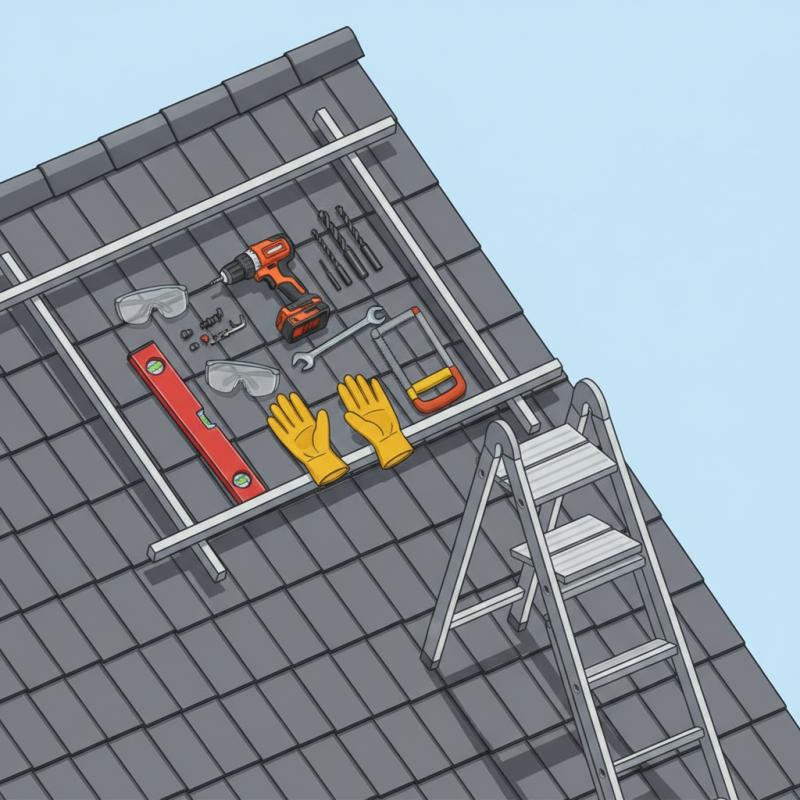
When tackling this project, you must consider a few key tools. Commonly, a power drill, level, and measuring tape are essential. Proper safety gear, such as gloves and eye protection, is also necessary. However, many might overlook the importance of having a sturdy ladder. It allows you to reach high places safely.
Every installation is unique. Some projects may require additional tools, like a wrench or a saw, depending on the structure. If you're unsure, researching tool requirements specific to your roof type is advisable. Preparation can make a significant difference. Remember, using the right tools creates a secure and efficient solar panel system.
Solar brackets play a crucial role in the installation of solar panels. These brackets provide the necessary support to secure panels to the roof or ground. Without proper brackets, solar panels may not function efficiently or could sustain damage during extreme weather. Understanding their significance can help you make wise choices in your solar installation.
The installation process requires careful consideration and precise techniques. Choosing the right brackets ensures stability and longevity for your solar system. Proper alignment is essential. Misalignment can lead to efficiency losses. Additionally, using durable materials will enhance the life span of your installation. Sometimes, there may be doubts about placement and mounting angles. This can lead to frustration and wasted resources.
It's vital to know the local regulations regarding solar installations as they can differ widely. Misunderstanding these regulations could result in costly mistakes. Engaging with a professional or obtaining further education on solar brackets can be beneficial. Every installation may present its own challenges and opportunities for reflection. Being aware of these can improve future projects.
Installing solar brackets requires specific tools to ensure a secure setup. A power drill is crucial for pre-drilling holes and driving screws. Choose one with adjustable speed settings for better control. A level helps guarantee that your brackets are aligned correctly. This tool prevents any future misalignment that could affect solar panel performance.
You will also need a socket set to tighten bolts and nuts securely. Stainless steel corrosion-resistant fasteners will last longer. Don’t forget a tape measure for precise measurements. Missing this step can lead to errors in installation. Lastly, consider a safety harness if you're working at height. Working safely is as important as the installation itself. Mistakes can happen, especially if you're unfamiliar with the process. It's wise to review all instructions before starting your project.
Installing solar brackets is a critical step in setting up a solar panel system. This process requires careful attention to detail and the right tools. According to recent industry data, proper installation can increase the efficiency of solar panels by up to 20%. Using quality brackets ensures that your panels are securely mounted and can withstand harsh weather conditions.
Start with the basics. You’ll need a drill, a level, an impact driver, and measurement tools. A tape measure is essential for accurate positioning. Industry statistics show that improper alignment can reduce energy output. It is crucial to ensure that your brackets are positioned correctly. Consider environmental factors such as wind and snow load in your area. These can impact the choice of materials and installation techniques.
During installation, it’s common to make mistakes. Misalignment or incorrect spacing can occur. Take your time to double-check measurements. Even experienced installers may overlook details in high-pressure situations. Reflect on these challenges for improvement. Ensure that all brackets are secured tightly and that panels sit flush. Following these steps will help you create a sturdy, reliable solar energy system.
Installing solar brackets can enhance your solar panel system. However, safety should always be your top priority during this process. Many people overlook the importance of wearing protective gear. Safety goggles, gloves, and hard hats can protect you from potential hazards. Additionally, ensure your work area is clear of obstacles to prevent accidents.
When working on a roof, consider the type of footwear you utilize. Non-slip shoes are crucial for maintaining grip. Always double-check the stability of your ladder before climbing. Be mindful of your balance while installing brackets. One misstep can lead to serious injury.
Tips: Regularly inspect your equipment for wear. A damaged tool can lead to accidents. Take your time with each step of the installation. Rushing may cause you to overlook critical safety steps. Don't hesitate to ask for help if you're uncertain about something. Collaborating with a more experienced individual can help you identify potential risks.
| Tool/Item | Purpose | Safety Precautions |
|---|---|---|
| Drill | To make holes for mounting brackets | Use eye protection; ensure drill is stable |
| Level | To ensure brackets are installed evenly | Check for stable surface; avoid falling tools |
| Wrench | To tighten bolts on brackets | Wear gloves; avoid over-tightening |
| Safety Harness | To prevent falls when working at heights | Ensure harness is secure; check for wear |
| Ladder | To reach high installation points | Use on stable ground; don't overreach |
| Measuring Tape | To measure distances for accurate placement | Be cautious of retractable tape; keep fingers clear |
Maintenance is crucial for achieving long-lasting solar bracket performance. Check the brackets periodically for signs of wear or damage. Pay close attention to rust or corrosion. This is particularly important in coastal areas where saltwater can accelerate deterioration. Regular inspections can help you catch problems early and avoid costly repairs.
Keep the area around the solar brackets clean. Debris can accumulate and may cause degradation over time. Use a soft brush or cloth to remove any dirt. Don’t forget to check the mounting hardware. Loose screws or bolts can lead to instability. Tighten any loose components to ensure everything is secure.
Consider applying a protective coating to the brackets. This can shield them from the elements. Ensure that the coating is suitable for solar applications. Some protective products might not adhere well under extreme weather conditions. Reflect on the effectiveness of your maintenance practices regularly. Adapt your routine based on weather patterns in your area.
: You need a power drill, level, socket set, tape measure, and safety harness.
It helps pre-drill holes and drive screws effectively during installation.
Using a level will guarantee proper alignment and prevent future misalignment issues.
Inspect for signs of wear, rust, corrosion, and tighten loose screws or bolts.
Debris accumulation can lead to degradation, affecting performance over time.
Regular inspections are vital; do them periodically based on your local weather conditions.
Applying a suitable protective coating can shield them from harsh weather conditions.
Address rust or corrosion immediately to prevent further damage and costly repairs.
Yes, adjust based on local weather patterns and review your practices regularly.
Absolutely; using a safety harness is crucial when working at heights.
Installing solar brackets is a crucial step in setting up solar panels, and understanding their importance can significantly affect the efficiency of your solar energy system. To ensure a successful installation, it is essential to have the right tools at your disposal. So, what tools are needed for solar bracket installation? You'll typically require a drill, appropriate fastening hardware, a level, a measuring tape, and safety gear such as gloves and goggles.
The installation process involves a systematic step-by-step guide, ensuring that brackets are securely attached and aligned properly. Safety precautions are vital during the installation to prevent accidents and ensure the setup's longevity. Finally, regular maintenance tips should be followed to optimize the performance of the solar brackets, ensuring they remain in excellent condition for long-term use.

Soltrux Solar