As the demand for renewable energy continues to rise, homeowners often wonder: "Can solar panels be installed on metal roofs?" This question is crucial in today’s eco-conscious society. According to a report by the Solar Energy Industries Association, solar installations have increased by over 20% each year, highlighting the growing interest in solar technology. Metal roofs, known for their durability, present a unique opportunity for solar panel installation.
Expert John Smith, a veteran in the solar industry, emphasizes, "Installing solar panels on metal roofs is not only feasible but also can enhance energy efficiency." This assertion is supported by findings indicating that metal roofs have a lifespan that often exceeds 50 years, making them a suitable base for solar arrays. They require minimal maintenance when paired with solar technology, which can lower long-term costs significantly.
However, it’s essential to consider potential challenges. For instance, proper mounting techniques must be employed to prevent leaks. Additionally, the upfront cost might deter some homeowners, despite long-term savings. Balancing these factors is vital for making an informed decision on whether to embrace solar technology on metal roofs.
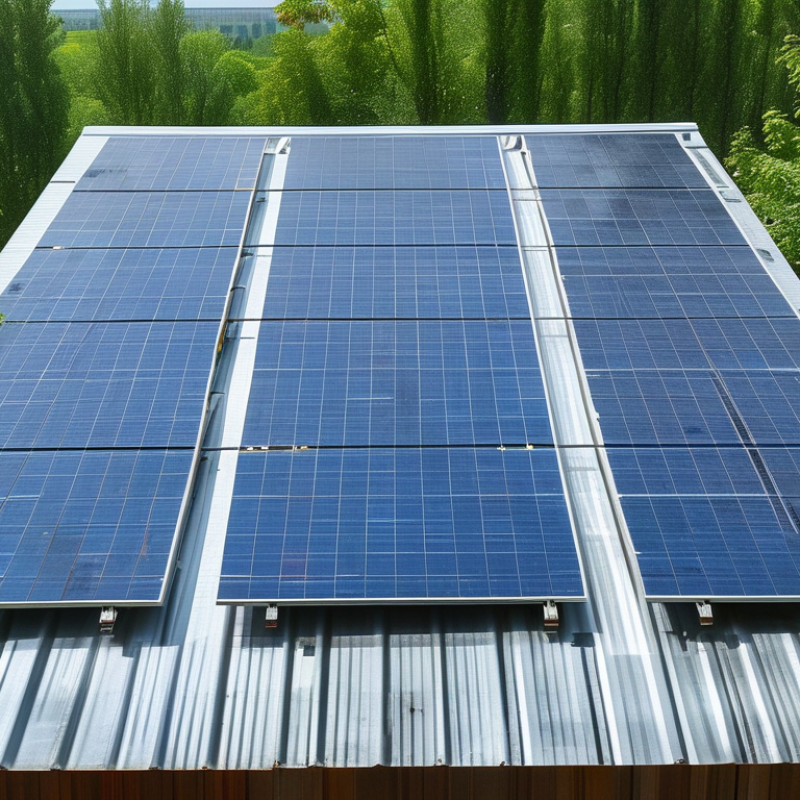
Metal roofs provide a solid foundation for solar panel installation. Their durability makes them ideal for solar systems. A study from the National Renewable Energy Laboratory highlights that metal roofs can last over 50 years. This longevity aligns perfectly with the lifespan of solar panels, usually around 25 to 30 years.
Moreover, metal roofs often feature a reflective surface, aiding in energy efficiency. This can lead to lower cooling costs during hot months. According to the U.S. Department of Energy, energy-efficient roofing reduces cooling costs by 10-15%. An important consideration is the roofing material’s structural integrity. Not all metal roofs can withstand the weight of solar panels, so an assessment is crucial.
Installation of solar panels on metal roofs usually requires fewer brackets. This means a faster and more straightforward installation process. It’s essential to evaluate potential little things, like the roof's angle and shading from trees. These factors can affect system performance. Awareness and analysis of these aspects can lead to better outcomes.
Metal roofs are a popular choice for solar panel installations due to their durability and lightweight nature. Certain types of metal roofs are particularly well-suited for this purpose. Standing seam metal roofs, for instance, offer an ideal surface for solar panel mounting. The raised seams allow for easy attachment, eliminating the need for invasive drilling.
Another option is corrugated metal roofs. These roofs have a wave-like pattern that can safely accommodate solar mounts. These panels can easily blend in with the roof's design. However, installation must be done carefully to avoid leaks.
Tips: Always consult a professional installer. They can assess your roof's condition. This ensures that solar panels align properly. Additionally, regular maintenance checks are crucial. They help spot any potential issues early on. This can extend the life of both your roof and solar panels.
| Type of Metal Roof | Material | Suitability for Solar Panels | Installation Method | Longevity | Cost Range per Square Foot |
|---|---|---|---|---|---|
| Standing Seam Metal Roof | Galvanized Steel, Aluminum | Highly Suitable | Clamp System | 50+ years | $5 - $10 |
| Corrugated Metal Roof | Steel, Aluminum | Moderately Suitable | Direct Mounting | 30 years | $3 - $8 |
| Metal Slate Roof | Steel, Copper, Zinc | Highly Suitable | Rail System | 50+ years | $6 - $12 |
| Aluminum Metal Roof | Aluminum | Very Suitable | Clamp or Rail | 40-50 years | $7 - $11 |
| R-panel Metal Roof | Steel | Moderately Suitable | Direct Mounting | 30 years | $2 - $6 |
When considering installing solar panels on metal roofs, several important factors come into play. Metal roofs provide excellent durability and longevity. They can last for decades, making them compatible with the long lifespan of solar panel systems. However, installation can be tricky. Proper mounting techniques are essential to ensure stability and avoid leaks.
The type of metal roof also matters. For instance, standing-seam metal roofs are more suitable for solar panel installation, as they allow for mounting without penetrating the roofing materials. Traditional metal roofs may require specially designed mounting brackets that can lead to complications. It's crucial to consult with professionals who have experience with metal roof installations. This can help prevent costly mistakes down the line.
Weather resistance is another critical consideration. Metal roofs can expand and contract in extreme temperatures. Solar panel systems must accommodate these movements to avoid damage. Additionally, solar panels should be installed in a way that promotes adequate drainage. Neglecting this can lead to water pooling and potential roof degradation. Careful planning and expert guidance will lead to a successful solar installation on metal roofs.
Installing solar panels on metal roofs is a growing trend. The integration can be both cost-effective and efficient. However, conducting a cost analysis is crucial before making a decision.
Initial costs for solar panel installation can be high. Still, metal roofs offer longevity, often lasting 50 years or more. This durability can offset initial expenses as it reduces the need for frequent roof replacements. Additionally, installation costs can be lower compared to traditional roofs. This happens because metal roofs typically require fewer attachment points.
Return on investment (ROI) varies by region and utility costs. The combination of renewable energy savings and potential tax credits can enhance overall gains. While many homeowners see a positive ROI, others encounter challenges with financing and maintenance. Understanding these factors can help in making informed choices.
Installing solar panels on metal roofs is a growing trend among homeowners. Metal roofs, known for durability, can complement solar energy systems effectively. Industry reports suggest that installations on these surfaces can last over 30 years, offering long-term benefits.
When it comes to maintenance, metal roofs require minimal attention. Regular inspections can ensure both the roof and solar panels function optimally. It’s essential to keep the roof free from debris. However, some experts recommend using professional services for cleaning. This safeguards the panels from potential damage.
The lifespan of solar panels is another critical factor. On average, solar panels last between 25-30 years. Yet, frequent weather events may impact their performance. A 2021 report highlighted that panels can degrade by about 0.5% per year. This means potential energy output could decrease over time. Homeowners should consider these aspects carefully, weighing benefits with possible long-term effects.
: Standing seam and corrugated metal roofs are suitable for solar panels. They provide a secure and durable surface.
The raised seams allow for easy attachment without invasive drilling, making installation simpler and safer.
Corrugated roofs have a wave-like pattern. They can accommodate solar mounts but need careful installation to avoid leaks.
Yes, a professional installer can assess your roof's condition and ensure proper alignment and secure attachment of solar panels.
Regular maintenance checks are essential. They help identify potential issues early, prolonging the lifespan of both roof and panels.
Yes, it can be. Metal roofs last longer, reducing overall costs by limiting the need for frequent replacements.
ROI varies based on location and utility costs. Savings from renewable energy and tax credits can improve overall returns.
Some homeowners face difficulties with financing plans and ongoing maintenance costs. Understanding these aspects can aid decision-making.
Installation needs to be done meticulously to avoid issues. In some cases, initial installation costs can also be daunting.
Metal roofs can last 50 years or more. This long lifespan can help justify the initial higher costs over time.
The article "Can You Install Solar Panels on Metal Roofs?" explores the feasibility and benefits of fitting solar panels on metal roofing systems. It outlines the advantages, such as durability and energy efficiency, alongside the types of metal roofs that are particularly suitable for solar installation. Additionally, considerations for mounting techniques and the implications for both cost and return on investment are discussed, helping homeowners understand the financial dynamics of solar panel adoption on metal roofs.
Furthermore, the article highlights the maintenance required for solar panels installed on metal roofs and their expected lifespan. By addressing the question, "Can solar panels be installed on metal roofs?", it reassures readers that with the right approach, metal roofs can effectively support solar energy systems, making them a viable option for sustainable energy solutions.

Soltrux Solar