Integrating solar mounts with smart energy systems is a game-changer in renewable energy. It offers efficiency, sustainability, and cost reduction. But how can you achieve this integration? This question is crucial for homeowners and businesses alike.
Solar mounts are the backbone of solar energy systems. They support solar panels, ensuring optimal positioning for sunlight capture. Smart energy systems, on the other hand, manage energy consumption intelligently. Together, they can create a powerful duo. By learning how to integrate solar mounts with smart energy systems, you can maximize your energy savings and reduce your carbon footprint.
However, this integration is not without challenges. Understanding the compatibility of different technologies can be daunting. Users often face difficulties in aligning their systems properly. Mistakes in installation can lead to inefficiencies. Therefore, careful planning and expert advice are essential for successful integration. Dive deeper to explore the top five ways to make this synergy work effectively and transform your energy usage.
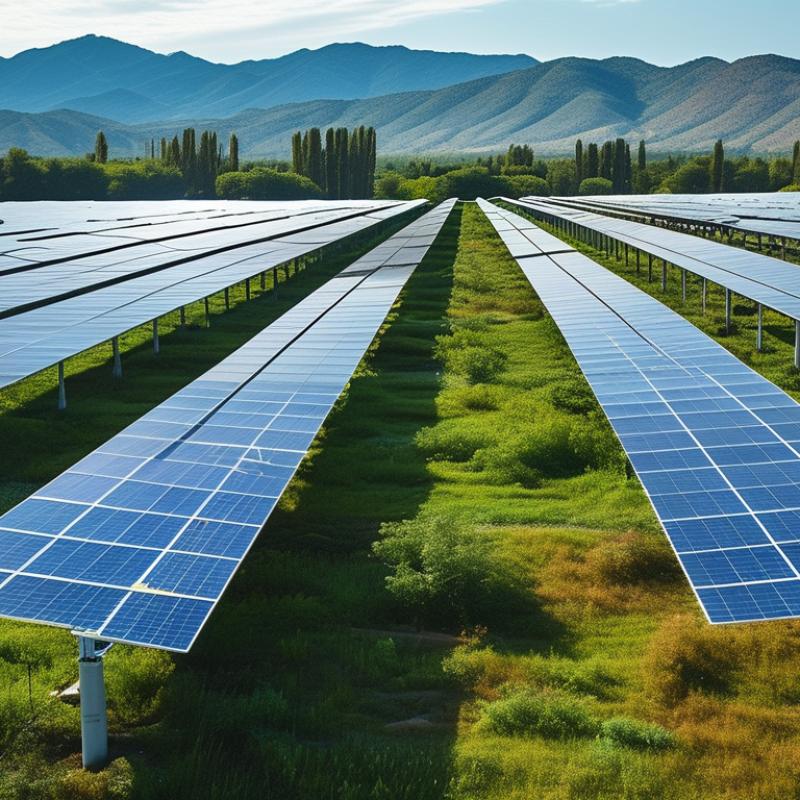
Benefits of Integrating Solar Mounts with Smart Energy Systems
Integrating solar mounts with smart energy systems offers several compelling benefits.
One key advantage is improved energy efficiency.
Solar mounts that communicate with smart systems can optimize energy output.
When weather changes occur, these systems can adjust the angle of the solar panels.
This proactive approach enhances the overall performance of solar installations, maximizing energy capture.
Another important benefit is enhanced reliability.
Smart energy systems can monitor solar mounts in real-time.
They can identify potential issues before they escalate.
This predictive maintenance reduces downtime and increases system longevity.
However, the implementation process can be complex.
Users may face challenges like compatibility issues or technical skills gaps.
Additionally, integrating these systems allows for better energy management.
Smart grids can utilize data from solar mounts to balance energy loads.
This results in more sustainable power usage.
Yet, there are limitations to consider. Not all areas have the infrastructure needed for advanced integration.
Balancing innovation with practicality is essential in these scenarios.
Key Technologies for Solar Mount Integration in Smart Grids
Integrating solar mounts with smart energy systems requires innovative technologies. Solar trackers are one such technology. These devices adjust solar panels’ angles to maximize sunlight exposure. Improved energy output can be achieved through this dynamic alignment. However, proper installation and maintenance are crucial for their effectiveness.
Another key technology is energy management systems (EMS). EMS coordinates energy production and consumption. It allows users to optimize energy usage in real-time. Such systems can sometimes be complex. Ensuring compatibility between solar mounts and EMS often demands careful planning. Energy storage solutions also play a vital role. They store excess energy for later use. This setup can enhance energy reliability but requires meticulous balancing of capacity and demand.
Smart inverters are essential too. They convert DC energy from solar panels into usable AC energy. These devices enable communication between the solar system and the grid. They can also ensure safety and efficiency. However, smart inverters depend on consistent updates and support to function optimally. Integrating these technologies is critical. But it often presents challenges that require ongoing evaluation.
Top 5 Technologies for Integrating Solar Mounts with Smart Energy Systems
Step-by-Step Guide to Designing Integrated Solar Mount Solutions
Integrating solar mounts with smart energy systems can optimize energy efficiency and management. Start with a clear design blueprint. Map out where solar mounts will be placed, considering sunlight exposure and structural stability. Identify the type of solar technology best suited for your area. Each region has its unique environmental factors that influence energy production.
Next, develop a connection plan between the solar mounts and the smart energy grid. Install smart inverters for real-time energy monitoring. These devices help track energy output and efficiency. Connecting to a centralized data system allows for better energy management. Despite advancements, challenges like system compatibility can arise. Addressing these gaps requires ongoing adjustments and updates.
Consider the end-user experience in your design. Ensure that operational interfaces are user-friendly. Integrating feedback mechanisms can help gauge user satisfaction. It’s crucial to test your system under various conditions to identify potential pitfalls. Regular reviews of data and performance can inform necessary improvements. The goal is a seamless blend of solar technology and smart energy systems, but careful planning is essential for success.
Top 5 Ways to Integrate Solar Mounts with Smart Energy Systems
| Integration Method |
Description |
Benefits |
Challenges |
| Smart Inverters |
Integration of inverters that can communicate data with energy management systems. |
Enhanced energy distribution and real-time monitoring. |
Initial setup complexity and cost. |
| Energy Management Systems |
Use of software to optimize energy consumption based on solar generation. |
Improved energy savings and operational efficiency. |
Requires ongoing maintenance and updates. |
| Battery Storage Systems |
Integrating batteries with solar mounts to store excess energy for later use. |
Energy independence and reduced reliance on the grid. |
High initial investment and space requirements. |
| Demand Response Integration |
Adapting energy usage based on solar energy availability and grid demand. |
Reduced energy costs during peak hours. |
Dependent on consumer behavior and cooperation. |
| Real-time Monitoring Tools |
Using sensors and software to monitor solar performance and energy usage. |
Enhanced transparency and immediate diagnostic capabilities. |
Potential privacy concerns and data management issues. |
Challenges in Combining Solar Mounts with Smart Energy Technologies
Integrating solar mounts with smart energy systems comes with significant challenges. One major hurdle is the varying compatibility of components. Not all solar mounts can easily communicate with smart technologies. This can lead to inefficiencies. Furthermore, differing installation requirements can complicate the overall setup. A seamless integration process is vital for optimal performance.
Another challenge relates to data management. Solar installations generate vast amounts of data. Properly analyzing this data requires sophisticated software. Yet, not all systems can handle the volume effectively. Mismanagement of energy data leads to poor decision-making. Security concerns also arise. Safeguarding sensitive information in smart energy systems is not always straightforward.
Lastly, cost issues can hinder the adoption of integrated solutions. The upfront investment for smart technologies paired with solar mounts is significant. Many businesses and homeowners hesitate to make such financial commitments. Cost-benefit analysis is essential but can be difficult to quantify accurately. Addressing these challenges will require ongoing collaboration between manufacturers and tech developers.
Future Trends in Solar Mounts and Smart Energy System Integration
The integration of solar mounts with smart energy systems is evolving. This shift is driven by advancements in renewable energy technologies. According to a recent report from IEA, solar energy capacity is expected to reach 4,800 GW by 2025. This growth emphasizes the necessity for efficient integration mechanisms. Smart energy systems can facilitate real-time energy management, enhancing grid reliability.
Decentralized energy resources are gaining traction. Solar mounts can communicate with smart inverters to optimize performance. This synergy reduces energy waste and improves overall efficiency. Data from the Solar Energy Industries Association shows that smart technologies can increase energy output by up to 20%. This is a compelling reason for more stakeholders to adopt integrated solutions.
Tip: Consider using real-time monitoring tools to assess the efficiency of your solar mounts. They can provide insights to adjust settings for better performance.
Looking ahead, automated solar tracking systems are trending. These systems adjust to sunlight dynamics, ensuring optimal energy capture. However, integrating these technologies can be complex and costly, which requires thorough planning. A 2023 study from the National Renewable Energy Laboratory highlights that technology adaptability is crucial for future success.
Tip: When exploring these systems, evaluate the return on investment and long-term savings. Understanding potential costs and benefits is essential for a successful transition.
Conclusion
Integrating solar mounts with smart energy systems is pivotal for enhancing energy efficiency and sustainability. The benefits of this integration include improved energy management, reduced costs, and enhanced grid reliability. Key technologies such as advanced sensors and automation play critical roles in facilitating this integration within smart grids.
To effectively design integrated solar mount solutions, a step-by-step approach is essential, which addresses the technical and logistical challenges that may arise. Understanding these challenges allows for tailored solutions that will optimize performance. Furthermore, future trends indicate that the synergy between solar mounts and smart energy systems will continue to grow, paving the way for smarter and more resilient energy infrastructures. Ultimately, this leads to the critical question: How to integrate solar mounts with smart energy systems? The answer lies in embracing innovative technologies and forward-thinking strategies that align with sustainable energy goals.

 Soltrux Solar