When considering solar energy systems, one crucial question arises: what is the lifespan of typical solar brackets? These brackets play a vital role in securing solar panels, ensuring they remain fixed and functional over time. Understanding their longevity is essential for both homeowners and installers alike.
Typically, solar brackets are designed to withstand harsh weather conditions. However, their durability can vary significantly based on materials and installation practices. For instance, high-quality aluminum brackets tend to resist corrosion and last longer than their steel counterparts. Yet, even the best materials may face challenges from extreme weather, debris, or improper installation.
As we explore this topic, it’s vital to acknowledge that not all solar brackets are created equal. Factors like brand reputation and specific use cases can impact performance. Understanding these nuances will provide deeper insights into what can be expected from solar bracket lifespan. Hence, an awareness of the factors affecting longevity is crucial for those investing in solar energy systems.
Understanding Solar Brackets: An Overview
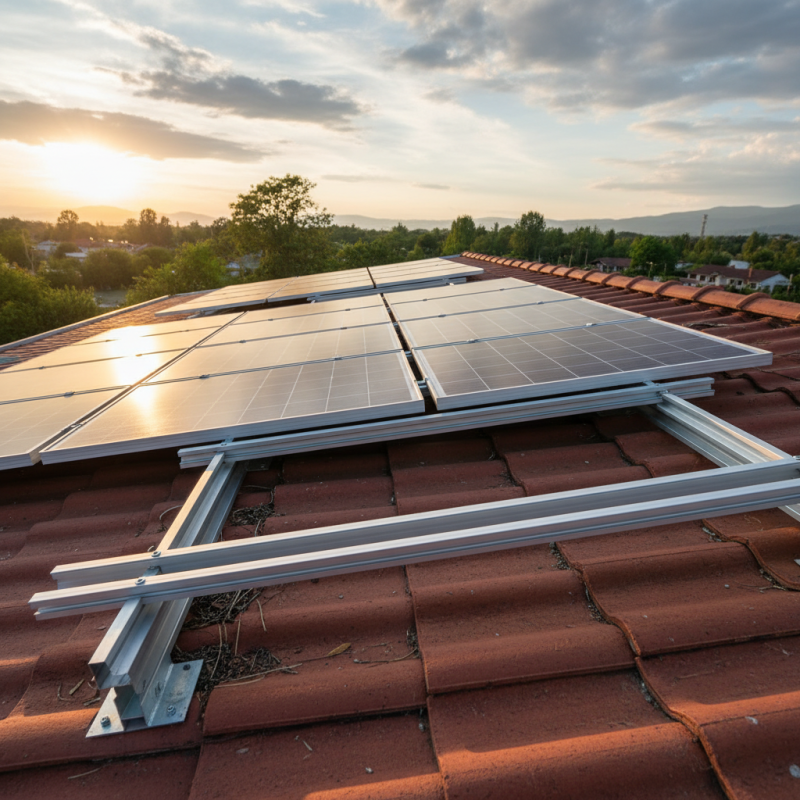
Solar brackets are essential components in any solar energy system. They serve as the supporting structure for solar panels, ensuring stability and optimal performance. Typically made from durable materials, they withstand various weather conditions. This durability is crucial for long-term energy efficiency.
The lifespan of solar brackets varies, influenced by materials and environmental factors. Generally, they can last between 10 to 30 years. Factors like exposure to moisture, UV radiation, and harsh winds significantly impact their longevity. Some brackets may show signs of wear, such as rust or corrosion, especially in coastal areas. Regular inspections can help spot these issues early, allowing for repairs or replacements.
Understanding the connection between solar brackets and overall system reliability is vital. Quality installation can mitigate potential risks, but the choice of materials is equally important. Aluminum and stainless steel are popular due to their resistance to rust. However, low-quality materials may lead to early failures. Assessing the pros and cons of different options can yield better long-term results, ensuring your solar energy system functions effectively for years to come.
Factors Influencing the Lifespan of Solar Brackets
The lifespan of solar brackets is not solely determined by their material but also influenced by various environmental and installation factors. Typically, solar brackets can last anywhere from 10 to 30 years. However, their durability hinges on exposure to elements such as UV radiation, temperature fluctuations, and corrosive environments.
One significant factor is the quality of materials used. Stainless steel and aluminum brackets tend to resist corrosion better, especially in coastal areas. A study by the National Renewable Energy Laboratory indicates that corrosion can reduce the lifespan of solar mounting systems by over 50%. Regular inspections are essential to identify any signs of wear or damage. Brackets installed with poor technique may fail much earlier, leading to costly repairs.
**Tips:** Ensure a proper installation by consulting with professionals. Utilize quality materials for longevity. Additionally, consider regular maintenance to enhance performance.
Weather conditions also play a vital role. Areas with high humidity or extreme temperatures can exacerbate wear. According to industry experts, solar brackets face increased stress in regions experiencing severe storms. Choosing the appropriate type of bracket based on local weather can extend their life. Periodic checks following major weather events are advisable.
**Tips:** Be proactive in monitoring weather changes that affect your installation. Adjustments might be needed based on seasonal variations. Don't overlook small damages, as they can lead to bigger problems.
What is the Lifespan of Typical Solar Brackets?
This chart illustrates the average lifespan of various types of solar brackets based on material and environmental factors.
Common Materials Used in Solar Bracket Construction
When considering solar bracket construction, material choice significantly impacts performance and longevity. Common materials include aluminum, stainless steel, and galvanized steel. Aluminum brackets are lightweight and resistant to corrosion. They are popular in residential installations due to their ease of handling. However, their durability can vary based on thickness. Thinner aluminum may bend under pressure.
Stainless steel offers strength and remarkable corrosion resistance. It is ideal for harsh environments, such as coastal regions. While more robust, its higher cost can deter some installations. Conversely, galvanized steel combines affordability with decent corrosion resistance. Its protective coating helps in various climates, but it may not last as long as stainless steel in extreme conditions.
The lifespan of these materials also relies on the installation process. Proper care during installation ensures brackets withstand environmental pressures. Mistakes in installation lead to future issues. Sometimes, the right material alone isn't enough. Regular maintenance checks can help identify weaknesses early. These aspects emphasize the importance of choosing the right material and ensuring correct installation for optimal performance.
What is the Lifespan of Typical Solar Brackets? - Common Materials Used in Solar Bracket Construction
| Material |
Average Lifespan (Years) |
Corrosion Resistance |
Weight (kg) |
Cost per Unit ($) |
| Aluminum |
25 |
Excellent |
2.5 |
15 |
| Steel (Galvanized) |
15 |
Good |
5.0 |
10 |
| Stainless Steel |
30 |
Excellent |
4.5 |
20 |
| Plastic (Polymer) |
20 |
Moderate |
1.0 |
5 |
Maintenance Tips to Extend Solar Bracket Lifespan
To preserve the lifespan of solar brackets, regular maintenance is essential. Inspect them at least twice a year for signs of wear or rust. Clean the brackets using a soft cloth to remove dirt and debris. This will help prevent corrosion and extend their longevity. If you notice any loose screws or bolts, tighten them promptly. Neglecting these small issues can lead to bigger problems later.
Weather can be tough on solar brackets. Harsh winds, heavy rain, or snow can cause damage. Shielding your solar installation from extreme weather can help. Consider applying a protective coating to the metal. This can add an extra layer of defense against the elements.
Many overlook the importance of proper installation. If the brackets are not installed correctly, they may fail prematurely. Consulting with professionals for installation can be a good investment. Keep an eye on local environmental conditions, as they can also impact bracket integrity.
Signs of Wear and When to Replace Solar Brackets
Solar brackets play a crucial role in mounting solar panels securely. Over time, they experience wear due to exposure to weather, temperature fluctuations, and other environmental factors. It's important to monitor their condition regularly, as damaged brackets can lead to costly repairs or system failures.
Signs of wear include rust, cracks, or excessive corrosion. If you notice any of these, it’s time to consider replacing your brackets. Regular inspections can help catch issues early. This proactive approach ensures your solar panels remain securely in place, enhancing their lifespan and efficiency.
Tips: Maintain a clean environment around your solar brackets. Remove debris and inspect for damage at least twice a year. If brackets feel loose or squeak during strong winds, investigate further.
Another key indicator is rusting, particularly in regions with high humidity. Rust compromises structural integrity. Consider using stainless steel or aluminum brackets for better durability. They resist corrosion, extending service life.
Remember, even the best materials can fail. A preventive mindset can save you headaches later. Regular maintenance and mindful inspections are vital for a reliable solar setup.
Conclusion
The article "What is the Lifespan of Typical Solar Brackets?" delves into the essential aspects that determine how long solar brackets can effectively support solar panels. It begins with an overview of solar brackets, outlining the critical role they play in the durability and efficiency of solar installations. Factors such as environmental conditions, material quality, and installation practices are discussed, emphasizing their impact on the lifespan of these components.
Further, the article explores common materials used in constructing solar brackets—primarily aluminum and stainless steel—highlighting their strengths and weaknesses. Maintenance tips are provided to help extend the life of solar brackets, alongside identifying signs of wear that signal when replacement is necessary. By understanding these elements, homeowners and installers can ensure their solar brackets remain reliable over time, effectively answering the question, "What is the lifespan of typical solar brackets?

 Soltrux Solar