Maximize Sunlight How to Properly Align Solar Panels?

Time:2026-06-22 Author:Isabella
0%

Maximizing solar energy efficiency is essential for homeowners and businesses alike. One critical question arises: "How to align solar panels for maximum sunlight?" A recent report by the National Renewable Energy Laboratory indicates that proper panel alignment can increase energy output by up to 25%.

The optimal angle and direction depend on geographic location and seasonal changes. For example, panels facing true south can harness the most sunlight in the northern hemisphere. However, construction limitations sometimes make this challenging. This reveals a gap in knowledge: many individuals are unsure how to adapt their installations effectively.

Understanding local weather patterns and shading effects is also crucial. Trees and buildings can obstruct sunlight, leading to suboptimal energy production. In some cases, homeowners might need to relocate their panels for better exposure. The conversation about maximizing sunlight through proper alignment is ongoing, and practical insights are vital. Exploring this question can transform how we utilize renewable energy in our daily lives.
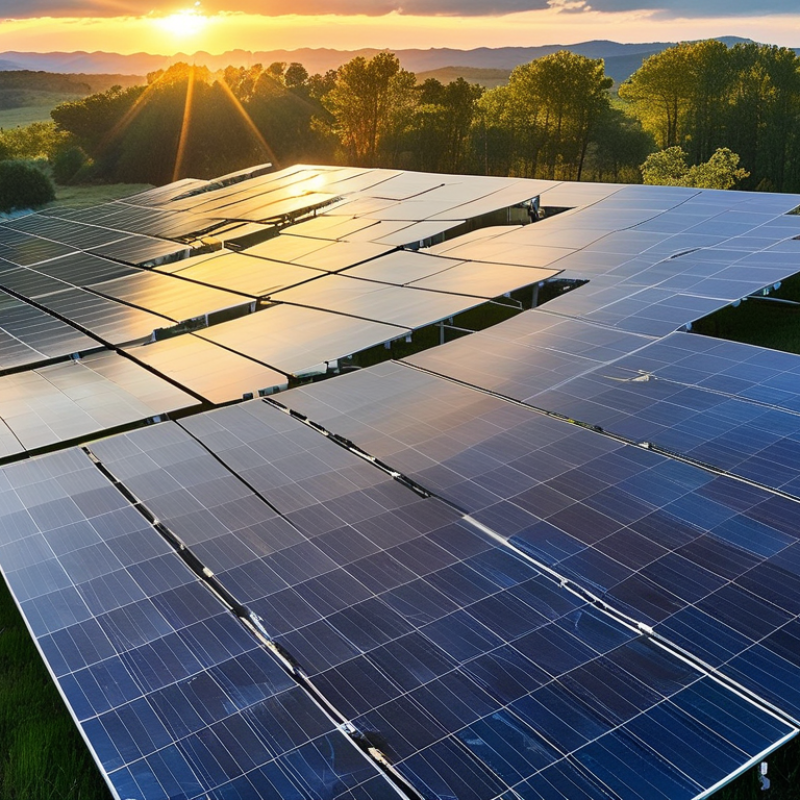
Maximize Sunlight How to Properly Align Solar Panels?

Understanding the Importance of Sunlight Alignment for Solar Panels

Aligning solar panels properly is crucial for maximizing sunlight capture. In fact, a 2022 report from the National Renewable Energy Laboratory (NREL) indicated that misalignment can reduce energy output by over 20%. This significant loss highlights the importance of positioning solar panels towards optimal sunlight. Orientation and tilt angle are key factors. Panels should ideally face south in the Northern Hemisphere and north in the Southern Hemisphere to capture the most sunlight throughout the day.

Moreover, considering seasonal changes is essential. Solar angle varies as the seasons change. For instance, in summer, the sun is higher in the sky, while in winter, it appears lower. Adjusting panels for seasonal variations can enhance efficiency. A study found that adjusting tilt angles seasonally could increase energy production by an additional 10-15%. This suggests a proactive approach is necessary for maximizing benefits.

It's also important to consider shading. Nearby trees or buildings can create obstacles. Even minimal shading can lead to power losses. A shading analysis should be performed for optimal placement. Solarpowerworld.com notes that avoiding shading improves output substantially, yet many systems neglect this factor. Addressing potential shading issues requires reflection and a meticulous site evaluation.

Factors Affecting Solar Panel Orientation and Positioning

When installing solar panels, orientation and positioning are crucial. The angle at which your panels face directly influences their efficiency. Panels should ideally face true south in the Northern Hemisphere and true north in the Southern Hemisphere. This alignment maximizes exposure to sunlight throughout the day. However, many homeowners fail to consider their local environment. Nearby trees or buildings can create shade, reducing sunlight intake and overall energy production.

Another important factor is the tilt angle of the panels. It should be adjusted based on the latitude of your location. A steeper angle can capture more sunlight in winter, while a flatter angle is better for summer months. Many installers see these adjustments as optional. In reality, neglecting correct tilt can lead to suboptimal performance. Yet, it's not just about physics. Aesthetic choices and local regulations can complicate optimal positioning.

Positioning can also vary seasonally. During summer, the sun is higher in the sky, while in winter, it hangs lower. This might necessitate adjustments, which some homeowners overlook. Tracking systems can help address this, but they can be expensive and complex. Careful planning and analysis of your space will ensure you maximize your solar panel's potential.

Best Angles for Solar Panel Installation in Different Locations

The angle at which solar panels are installed greatly affects their efficiency. According to the National Renewable Energy Laboratory (NREL), optimal tilt angles can vary significantly. For instance, in northern regions, a tilt angle of around 30 to 45 degrees can maximize energy production. On the other hand, areas closer to the equator benefit from flatter installations, usually around 0 to 15 degrees.

Seasonal variations also play a role. During winter months, a steeper angle may capture more sunlight. This is because sun rays hit at a lower angle. In contrast, summer requires a gentler slope. Research shows that adjusting panels seasonally can increase efficiency by up to 25%. However, many homeowners neglect to alter the angle, which limits energy output.

Location-specific weather conditions must be considered as well. Places with frequent cloud cover might need adjustments to optimize generation. A report from the Solar Energy Industries Association states that suboptimal angles can lead to a 20% loss in potential energy. Regular assessments of panel alignment could harness more power and reduce waste. Balancing installation angle with climatic considerations poses challenges but shows promise for improved solar energy utilization.

Techniques for Adjusting Solar Panels Throughout the Year

To maximize sunlight absorption, adjusting solar panels throughout the year is essential. The sun’s angle changes with the seasons, impacting the amount of sunlight your panels receive. During summer, the sun is higher in the sky, so panels should be tilted toward the sun’s zenith. In winter, lowering the angle ensures optimal sunlight capture.

Regular adjustments can lead to significant energy savings. Use a solar panel mount that allows for easy tilting and rotation. Many homeowners overlook this simple yet critical step. Even a few degrees can make a difference in energy output. It’s worth the effort to check panel positions monthly. Keep in mind that local weather patterns can also affect sunlight levels, which requires constant evaluation.

Consider the latitude of your location. Closer to the equator, adjustments may be less frequent. However, northern regions need more seasonal adjustments. Reflecting on your own setup can reveal areas for improvement. Adjusting doesn’t always guarantee heightened efficiency but can lead to better alignment with the changing sun.

Maximize Sunlight: Solar Panel Alignment Throughout the Year

This chart shows the optimal angles for solar panels throughout the year to maximize sunlight exposure. Adjusting the tilt seasonally can significantly improve energy efficiency.

Using Technology to Optimize Solar Panel Sunlight Exposure

Aligning solar panels to capture maximum sunlight is essential for efficiency. Innovative technologies can enhance this alignment. Smart sensors and software can track the sun's movement. They adjust the panels accordingly throughout the day. This automatic adjustment can lead to a significant increase in energy output.


Using geographic information systems (GIS) helps in finding the best location for solar installations. These systems analyze local weather patterns and sun exposure. They can provide insights into the optimal tilt and orientation for solar panels. Seasonal changes can affect sunlight exposure. It is vital to consider these factors when deciding on placement.


While technology can greatly improve efficiency, it is not foolproof. Regular maintenance is still necessary. Dust and debris can obstruct sunlight, reducing overall performance. Monitoring systems should be tested frequently to ensure they are functioning properly. Reflecting on these aspects can lead to better solar energy solutions in the long run.

FAQS

: What is the best orientation for solar panels in the Northern Hemisphere?

: Ideally, solar panels should face true south to maximize sunlight exposure.

How does local environment impact solar panel efficiency?

Nearby trees or buildings may create shade, significantly reducing energy production.

What tilt angle is best for solar panels in northern regions?

A tilt angle of 30 to 45 degrees is recommended for optimal energy production.

Should tilt angles be adjusted seasonally?

Yes, adjusting angles seasonally can increase efficiency by up to 25%.

Why is panel positioning important?

Better positioning maximizes sunlight exposure, improving overall energy generation.

Do homeowners often overlook panel adjustments?

Many neglect to alter angles, which can lead to reduced energy output and waste.

How does winter affect solar panel positioning?

In winter, a steeper angle is better due to the sun's lower position in the sky.

What impact does cloud cover have on solar panel efficiency?

Frequent cloud cover may necessitate adjustments to optimize energy generation.

Are tracking systems for solar panels worth it?

They can help optimize positioning but are often expensive and complex.

Can aesthetics impact solar panel installation?

Yes, aesthetic choices can complicate optimal positioning and angle adjustments.

Conclusion

In the quest for optimal solar energy production, understanding how to align solar panels for maximum sunlight is crucial. The alignment of solar panels heavily influences energy efficiency, as factors such as geographic location, seasonal changes, and local weather patterns all play a significant role in determining the ideal orientation and angle for installation.

To achieve the best results, it is essential to consider the specific angles for solar panel installation based on the location, adjusting the positioning as the seasons change to capture sunlight effectively throughout the year. Additionally, employing technology can further enhance the optimization of sunlight exposure, ensuring that solar panels operate at peak performance all year long. By mastering these techniques and principles, homeowners and businesses can significantly increase their solar energy yield.

Isabella

Isabella

Isabella is a dedicated marketing professional with a sharp focus on driving brand growth and engagement through strategic content creation. With an extensive background in digital marketing, she combines her passion for storytelling with her keen understanding of industry trends to deliver......