When it comes to solar panels, preventing wind damage is crucial. Experts like Dr. Emily Thompson, a renowned solar energy specialist, emphasize the importance of resilience. She states, "Protecting solar panels from wind is an essential step in maximizing their longevity." Understanding how to prevent wind damage to solar panels can save homeowners from costly repairs and replacements.
Strong winds can cause significant harm to solar installations. Therefore, it is vital to adopt effective strategies. One of the key methods is proper installation. Panels should be securely mounted with high-quality brackets. Additionally, regular maintenance checks can identify potential weaknesses.
Investing in wind-resistant solar technology is another preventive measure. This includes using reinforced materials and design. Homeowners must also consider their local weather patterns when positioning solar panels. Ultimately, knowing how to prevent wind damage to solar panels helps ensure energy efficiency and peace of mind. However, it’s worth reflecting on the limitations of current solutions, as extreme weather can still occasionally pose challenges.
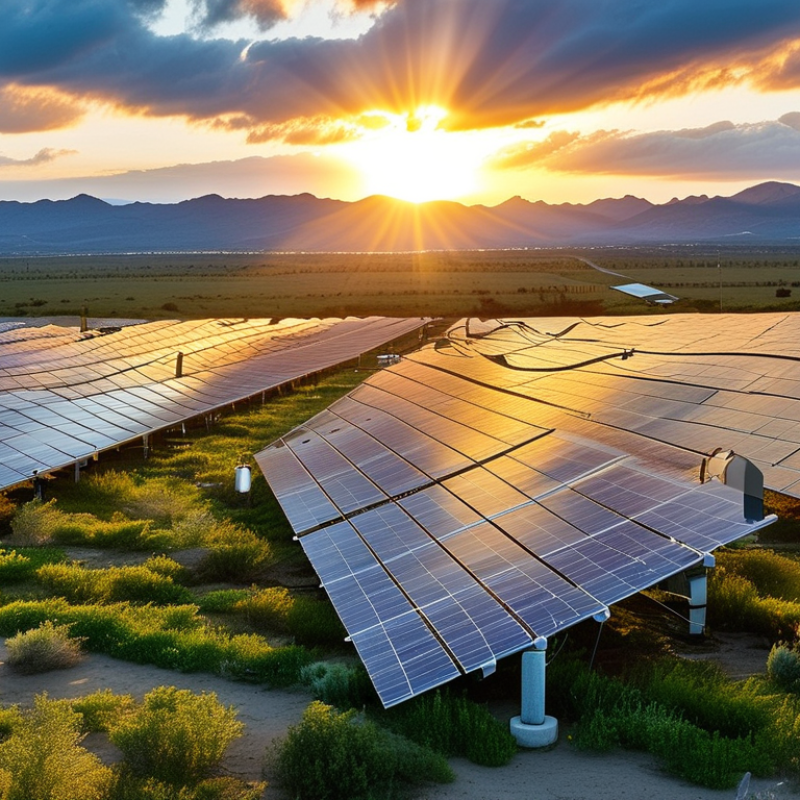
When it comes to solar panel installations, understanding the specifications related to wind resistance is crucial. Solar panels need to withstand strong winds, particularly in areas prone to storms. Reports suggest that most solar panels are tested for wind loads between 90 to 120 miles per hour. However, the actual wind resistance can depend on the mounting system and installation angle.
The National Renewable Energy Laboratory indicated that improper installation can reduce wind resistance by up to 40%. This shows the importance of hiring experienced professionals for installation. The right mounting structure can significantly enhance durability against harsh weather. Furthermore, manufacturers often provide specific data on wind resistance in product specifications, which potential buyers should review closely.
It’s also important to consider the local environment. Areas with frequent high winds should prioritize panels designed for better resilience. Some may overlook this aspect, leading to poor performance and premature damage. Substandard panels may seem cost-effective initially but can incur higher replacement costs over time. Thus, understanding these specifications is not merely beneficial but essential for optimal solar panel performance.
| Prevention Method | Description | Effectiveness Rating |
|---|---|---|
| Mounting Angle Adjustment | Adjust the angle of the solar panels to enhance wind resistance. | ★★★★☆ |
| Quality Mounting Systems | Use high-quality mounting systems designed for high winds. | ★★★★★ |
| Wind Shields | Install wind shields to deflect wind away from panels. | ★★★★☆ |
| Regular Maintenance | Conduct regular checks and maintenance to ensure stability. | ★★★★☆ |
| Secure Wiring | Ensure all wiring is secured to prevent damage in high winds. | ★★★☆☆ |
| Panel Thickness | Choose panels with thicker glass for improved durability. | ★★★★★ |
| Grounding Systems | Install grounding systems to prevent damage from electrical surges. | ★★★★☆ |
| Wind Load Testing | Perform wind load testing prior to installation to understand limits. | ★★★★☆ |
| Installation Location | Select installation locations that are less prone to wind exposure. | ★★★☆☆ |
| Professional Installation | Hire professionals for installation to ensure optimal setup. | ★★★★★ |
: Wind resistance is crucial as panels must endure strong winds, especially in storm-prone areas.
Most panels are tested for wind loads between 90 to 120 miles per hour.
Yes, improper installation can reduce wind resistance by up to 40%, highlighting the need for experienced professionals.
Buyers should review the product specifications provided by manufacturers for wind resistance data.
Understanding local wind patterns helps determine optimal panel orientation and secure mounting structures.
High wind speeds can pose significant risks, making proper wind load calculations and anchoring essential.
Overlooking wind resistance can lead to poor performance and premature damage, resulting in higher replacement costs.
Regular inspections after severe storms are important to ensure the integrity of mounts and panels.
Yes, not using recommended mounting systems can leave panels vulnerable to wind damage.
Wear and tear can compromise setups, making proactive maintenance essential for protecting your investment.
To effectively address the question of "how to prevent wind damage to solar panels?", it's essential to understand the specifications of solar panels that contribute to their wind resistance. Analyzing local wind patterns helps in assessing potential risks that could affect solar installations. Implementing proper mounting techniques not only enhances structural stability but also minimizes the vulnerability of solar panels to strong winds.
Moreover, conducting regular maintenance checks is crucial in identifying signs of wind damage early on, allowing for timely repairs and improvements. Investing in protective structures for solar panel arrays can further safeguard them against wind forces, ensuring longevity and optimal performance. By following these strategies, solar panel owners can significantly reduce the risk of wind damage and maintain the integrity of their solar energy systems.

 Soltrux Solar