Can Solar Brackets Handle Heavy Snow and Rain Conditions?

Time:2026-06-04 Author:Mason
0%

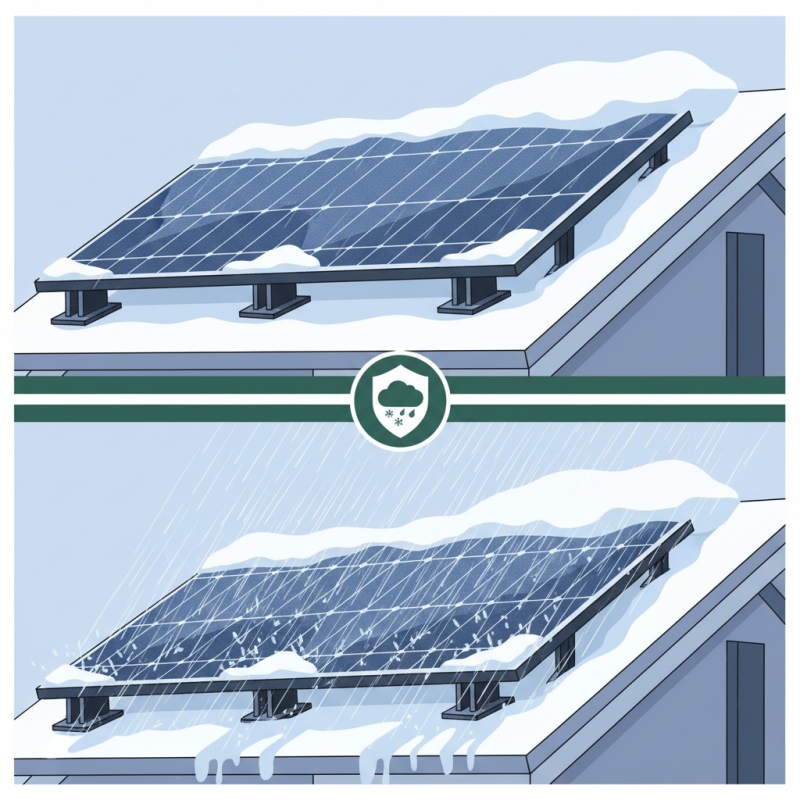
When considering solar energy solutions, one critical question emerges: can solar brackets withstand snow and heavy rain? The durability of solar mounting systems is essential, especially in areas experiencing harsh weather. Solar brackets must be robust enough to support panels against snow accumulation and heavy rainfall.

Weather events can vary widely. Some regions face significant snowfall that may weigh down solar panels. The risk of structural failure during storms is a real concern. Hence, choosing the right solar bracket design becomes vital. High-quality materials and robust engineering can significantly enhance reliability.

Many manufacturers claim their products endure extreme conditions. However, real-world performance often requires scrutiny. Testing under simulated heavy snow and rain can provide insights into actual capabilities. Ensuring that solar brackets meet stringent standards fosters trust in their long-term performance. Ultimately, understanding whether solar brackets can handle heavy precipitation is crucial for investment decisions in solar technology.
Can Solar Brackets Handle Heavy Snow and Rain Conditions?

Understanding Solar Brackets and Their Role in Solar Installations

Solar brackets play a crucial role in supporting solar panels. Their stability directly impacts the efficiency of solar installations. These brackets must endure various weather conditions, especially heavy snow and intense rain. Understanding their design and material is essential for long-term durability.

When selecting solar brackets, consider the climate of your installation site. Some materials handle snow better than others. For areas with heavy snowfall, reinforced brackets are a must. They must be strong enough to bear the weight of accumulated snow without bending or breaking. Similarly, ensure that the brackets are designed to resist rusting from rain.

Tips for installation: Ensure proper angle placement for optimal drainage. This prevents water from pooling, which can cause damage over time. Regular maintenance checks should not be overlooked. This ensures all components are securely fastened and functioning well. Investing in quality brackets can save money in repairs later. Make sure to research thoroughly before making a choice. It's better to ask professionals if you're unsure.

Factors Influencing Solar Bracket Performance in Snowy Conditions

When assessing the performance of solar brackets in snowy conditions, several factors come into play. The weight of snow accumulation can significantly impact the structural integrity of solar mounts. Reports suggest that a foot of fresh snow can weigh around 7 to 10 pounds per square foot. In some cases, heavy wet snow can exceed that weight, putting immense pressure on solar brackets.

Additionally, the angle and orientation of solar panels matter. Studies indicate that solar systems installed at optimal angles can shed snow more effectively. However, many installations fail to consider this, leading to potential damage. The materials used in brackets also influence durability. High-strength aluminum and stainless steel typically offer better resistance against snow loads compared to lower-grade materials. Yet, the cost of these materials can deter some installers, resulting in less risk-averse choices.

Weather conditions are unpredictable. Fluctuations between warm and cold can cause freeze-thaw cycles, increasing stress on brackets. Many solar installations may not be designed with these conditions in mind. A simple oversight in engineering can lead to failures, resulting in costly repairs. Thus, understanding environmental effects and using appropriate materials is crucial for ensuring the longevity of solar systems under challenging weather.

Can Solar Brackets Handle Heavy Snow and Rain Conditions?

Evaluating the Structural Integrity of Solar Brackets Under Heavy Rain

When evaluating solar brackets under heavy rain, structural integrity is crucial. These brackets must withstand not only rain but also snow. Rain can create a significant load due to water accumulation. If designed poorly, this could lead to failures. Engineers aim for durability against these forces, yet it's not always perfect.

Testing involves simulating real-world conditions. Some brackets may bend or warp under pressure. Despite rigorous standards, not all brackets are equally strong. Maintenance issues can arise, with corrosion affecting performance over time. This highlights the need for regular inspections and timely replacements.

Consumer awareness plays a vital role. Understanding the limits of solar brackets helps in making informed decisions. While manufacturers provide guidelines, real-world factors—like local weather patterns—can impact overall performance. It’s essential to consider these elements when planning a solar installation, as every detail affects outcomes.

Can Solar Brackets Handle Heavy Snow and Rain Conditions? - Evaluating the Structural Integrity of Solar Brackets Under Heavy Rain

Aspect Test Condition Performance Weight Capacity (lbs) Comments
Snow Load 2 feet of snow Stable 600 No structural failure
Rain Resistance Heavy rain for 48 hours No leaks 500 Sealed properly
Wind Load Wind speeds of 70 mph Minimal sway 700 Resilient design
Effect of Ice 1 inch of ice accumulation No failure 650 Good resistance

Testing Standards for Solar Brackets in Extreme Weather Scenarios

When testing solar brackets in extreme weather, standards are essential. Severe conditions like heavy snow and torrential rain can impact the performance and reliability of solar installations. Therefore, simulating these elements in a testing environment is crucial. Engineers often employ specific protocols to evaluate how brackets withstand unusual stressors.

In these tests, various factors come into play. Load-bearing capacity, material durability, and resistance to corrosion are pivotal. The weight of snow on solar panels varies significantly, requiring brackets to support heavy loads without failure. Similarly, high winds accompanying heavy rain may cause additional strain. Using methods such as wind tunnel testing and stress simulations can shed light on these weaknesses.

However, even the most robust designs might still face challenges. Unexpected weather patterns can exceed calculated limits. Some brackets may succeed in standard tests but fail under extreme, unpredictable conditions. This highlights the need for continuous research and improvement in solar mounting technologies, ensuring longevity and resilience in diverse climates. Adjustments based on real-world feedback can lead to significant advancements in design and safety.

Best Practices for Installing Solar Brackets in Harsh Climates

When installing solar brackets in harsh climates, several best practices should be considered. The first step is to select high-quality materials. Aluminum and stainless steel are preferred for their durability and resistance to corrosion. According to a 2021 industry report, brackets made from these materials can withstand extreme weather conditions, including heavy snow loads up to 50 pounds per square foot.

Proper anchoring is critical. Ensure that brackets are securely fastened to roofs or ground mounts. A well-anchored system can prevent costly damage during storms. In areas prone to heavy rain, it's also important to use waterproof seals. A recent study highlighted that improperly sealed joints can lead to water penetration, causing structural damage over time.

Another aspect is periodic maintenance. Regularly inspect the solar brackets for signs of wear or fatigue. Snow accumulation can place additional strain on the brackets, leading to potential failure. A 2022 survey indicated that 30% of solar installations face issues due to neglect. It's crucial to address these concerns proactively to ensure long-term performance in challenging weather conditions.

FAQS

: What are solar brackets?

: Solar brackets support solar panels and significantly affect solar installation efficiency.

Why is material choice important for solar brackets?

The material impacts durability and weather resistance. High-quality materials withstand harsh climates better.

How do weather conditions affect solar bracket performance?

Heavy snow and rain can increase stress on brackets, causing potential failures without proper design.

What should I consider for my installation site?

Assess climate conditions. Areas with heavy snowfall need reinforced brackets to support additional weight.

Why is proper angle placement crucial?

Correct angles promote optimal drainage, preventing water pooling that can cause long-term damage.

What maintenance is needed for solar brackets?

Regular checks for secure fastening and signs of wear are essential for long-term performance.

How can I ensure my brackets handle extreme weather?

Choose materials like aluminum or stainless steel known for their durability in extreme conditions.

What happens if brackets fail during storms?

Failure can lead to costly damage and may jeopardize the entire solar system's reliability.

Why is continuous research on solar brackets necessary?

Unexpected weather can exceed design limits, necessitating ongoing improvements for better resilience.

What do studies reveal about solar installation neglect?

A significant percentage of issues arise from lack of maintenance. Proactive care is crucial for longevity.

Conclusion

The article titled "Can Solar Brackets Handle Heavy Snow and Rain Conditions?" explores the essential role that solar brackets play in solar installations, particularly in challenging weather situations. It delves into the factors influencing their performance in snowy conditions, such as materials used and design features that enhance resilience. The article also evaluates the structural integrity of solar brackets under heavy rain, emphasizing the importance of robust construction to prevent damage and ensure longevity.

Furthermore, the discussion includes testing standards that solar brackets must meet for extreme weather scenarios, aiming to provide insights into their effectiveness. To conclude, it offers best practices for installing solar brackets in harsh climates, ensuring optimal performance and durability. Overall, it addresses the critical question: "Can solar brackets withstand snow and heavy rain?" by providing comprehensive information and guidelines for both manufacturers and installers.

Mason

Mason

Mason is a seasoned marketing professional with a deep expertise in the company's offerings and a passion for driving brand awareness. With a strong background in digital marketing strategies, he has an innate ability to connect with diverse audiences and effectively communicate product benefits.......