How Do Solar Tracking Brackets Increase Energy Output?

Time:2026-05-13 Author:Aria
0%

Solar energy is a rapidly growing industry. As technology advances, efficiency becomes crucial. One innovation is the solar tracking bracket system. "How do solar tracking brackets improve energy output?" is a question many experts in the field ponder. Dr. Emily Carter, a leading solar energy researcher, emphasizes, “The right tracking system can boost output significantly, changing the game for solar installations.”

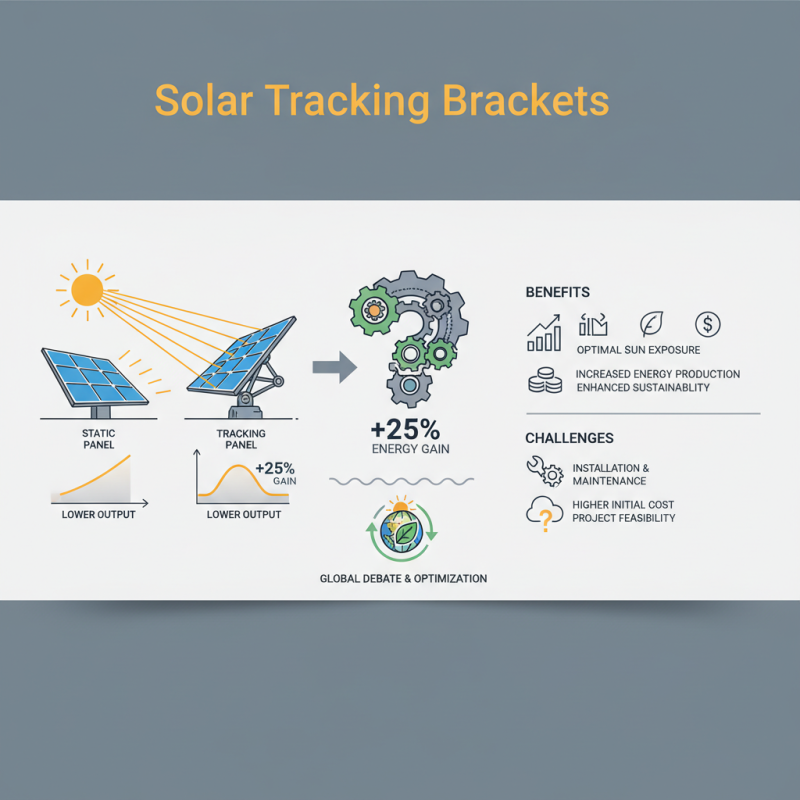
Solar tracking brackets allow panels to follow the sun's path. This movement increases the sunlight exposure on solar panels. Static panels miss sun rays during the day. In contrast, tracking systems adjust to capture optimal light throughout daylight hours. The improvements in energy collection can be substantial, often leading to a 25% increase in output. However, this technology is not without its challenges.

Installation comes with costs. Maintenance requires attention to ensure optimal function. Not every project can justify these expenses. Each installation is unique and requires careful consideration. Questions, such as long-term benefits versus initial investments, must be addressed. These factors lead to many discussions among professionals about the best practices in solar energy systems. The debate continues on optimizing solar energy in the quest for sustainability.
How Do Solar Tracking Brackets Increase Energy Output?

Understanding Solar Tracking Brackets and Their Functionality

Solar tracking brackets are innovative devices used in solar energy systems. They adjust the angle of solar panels throughout the day. This alignment optimizes sunlight exposure, maximizing energy output. Traditional fixed panels miss significant sunlight during certain hours. In contrast, solar tracking systems adapt to the sun's movement.

These brackets come in various designs. They can be single-axis or dual-axis, each serving specific geographical needs. Single-axis trackers rotate in one direction, while dual-axis trackers adjust both vertically and horizontally. This flexibility is essential for areas with varying sunlight angles. However, installation complexity increases, often requiring a deeper technical understanding.

While solar tracking can enhance efficiency, it is not without challenges. The mechanical components may require maintenance. Over time, wear and tear can occur, leading to potential energy loss. It's crucial to assess the long-term benefits versus the initial costs and upkeep. Tracking systems may not be suitable for all locations, making site-specific evaluations necessary. But when implemented correctly, these systems can significantly boost a solar installation's energy generation.

The Physics Behind Solar Tracking: Maximizing Sunlight Exposure

Solar tracking brackets play a crucial role in enhancing the efficiency of solar panels. These devices adjust the position of solar panels throughout the day. By following the sun's path, they ensure maximum sunlight exposure. This dynamic adjustment significantly increases energy output compared to stationary systems. More sunlight means more electricity generation, leading to higher efficiency ratings.

The physics behind solar tracking is rooted in simple principles. When solar panels are angled correctly, they can capture more sunlight. The brackets use motors and sensors to determine the sun's position. This system needs to be calibrated accurately to avoid misalignment. Sensors must respond quickly to changes in sunlight. Any delay could lead to reduced energy capture. Optimizing this technology is vital for both residential and commercial installations.

However, solar tracking systems can be complex. They require regular maintenance to function correctly. Issues like misalignment or mechanical failure can occur. Users must be aware that these systems might not always yield a perfect return on investment. Reflection on their design and effectiveness is essential for improving overall performance. Continuous innovation and research are necessary to overcome existing challenges in solar tracking technology.

How Do Solar Tracking Brackets Increase Energy Output?

Parameter Fixed Array Output (kWh/year) Single Axis Tracker Output (kWh/year) Dual Axis Tracker Output (kWh/year)
Annual Average Solar Radiation (kWh/m²) 1200 1500 1800
Efficiency Gain (%) --- 25% 50%
Initial Investment (USD) $100,000 $120,000 $150,000
Payback Period (Years) 8 6 4

Types of Solar Tracking Systems and Their Applications

Solar tracking systems are crucial for maximizing energy output from photovoltaic panels. There are two primary types of solar tracking systems: single-axis and dual-axis. Single-axis trackers rotate on one axis, allowing panels to follow the sun’s path throughout the day. Dual-axis trackers add vertical movement, adjusting for seasonal changes. Research shows that these systems can increase energy output by 25% to 50% compared to fixed installations.

The application of these tracking systems varies widely. Single-axis systems are often used in large solar farms due to their cost-effectiveness and efficient land use. On the other hand, dual-axis systems are ideal for areas with high sunlight variability. According to industry reports, dual-axis trackers yield up to 40% more electricity during certain months. This increased efficiency is particularly valuable for commercial projects seeking quicker returns on investment.

Tips: Consider your local climate. If sunlight is consistent, single-axis may suffice. For areas with diverse sunlight angles, dual-axis offers better results. Always assess installation costs against potential energy savings. This reflection can lead to informed decisions that optimize your solar investment.

Benefits of Increased Energy Output from Solar Tracking Brackets

Solar tracking brackets hold the promise of enhancing energy output from solar panels. By adjusting their position throughout the day, these brackets ensure that solar panels maintain optimal alignment with the sun. This results in significantly increased energy absorption, especially during peak sunlight hours. The increased exposure can boost energy output by as much as 25-35% compared to fixed installations.

One notable benefit is the improved return on investment over time. With greater energy production, users can potentially lower their electricity bills and achieve payback sooner. Moreover, the additional energy generated can be stored or fed back into the grid, providing further savings or income. Solar tracking also helps in maximizing the lifespan of the solar panels because they are used more efficiently.

Tips for optimizing your solar tracking system include regular maintenance checks. Ensure that the tracking mechanism is functioning smoothly and that any obstructions like dust or debris are cleared. Additionally, consider the geographical location and typical weather patterns, which may affect the performance of the tracking system. Sometimes, oversizing the system could lead to underperformance in less sunny days. This aspect needs careful consideration for an efficient setup.

Factors Influencing the Efficiency of Solar Tracking Solutions

Solar tracking solutions have become increasingly popular in maximizing energy output from solar panels. Their effectiveness, however, hinges on several key factors. One crucial aspect is the precision of the tracking system. Accurate alignment with the sun's trajectory throughout the day ensures optimal light exposure. If the tracking system lags or misaligns, energy production can significantly drop.

Another factor is the environmental conditions in which the tracking systems operate. Weather patterns, such as cloud cover and rainfall, directly influence solar energy absorption. Systems placed in areas with consistent sunlight tend to operate more efficiently than those in regions with frequent weather changes. Additionally, the angle and tilt of the panels, determined during installation, also play a role in how well energy is captured.

Maintenance is another aspect that shouldn't be overlooked. Regular checks ensure that all moving parts function smoothly and that debris does not obstruct sunlight. Neglecting these aspects can diminish overall performance. While solar tracking brackets inherently offer higher energy output potential, maximizing their efficiency requires attention to detail and ongoing assessments.

FAQS

: What are the main types of solar tracking systems?

: The main types are single-axis and dual-axis. Single-axis tracks the sun on one axis. Dual-axis adds vertical movement.

How much energy can solar tracking systems increase output?

They can increase energy output by 25% to 50% compared to fixed installations. This can vary based on many factors.

Where are single-axis systems typically used?

They are often used in large solar farms. Their cost-effectiveness makes them suitable for efficient land use.

What conditions favor dual-axis systems?

Dual-axis systems are ideal for areas with high sunlight variability. They adjust for seasonal changes effectively.

What impacts the efficiency of solar tracking solutions?

Key factors include precision, environmental conditions, and panel angle. Each influences energy absorption and production.

Why is maintenance important for solar tracking systems?

Regular maintenance ensures moving parts function smoothly. Neglect can lead to drops in energy production and performance.

How should local climate influence the choice of tracking system?

For consistent sunlight, single-axis may be sufficient. Diverse sunlight angles favor the use of dual-axis trackers.

What is the importance of installation costs?

Installation costs must be balanced against potential energy savings. This reflection can help optimize solar investment decisions.

What can happen if a tracking system misaligns?

Misalignment can significantly reduce energy production. It’s essential to maintain accuracy throughout the day.

How does weather affect solar tracking performance?

Weather, like cloud cover and rainfall, directly influences absorption. Regions with consistent sunlight will generally see better efficiency.

Conclusion

Solar tracking brackets are innovative devices designed to optimize the angle of solar panels, ensuring they maintain optimal alignment with the sun’s path. By understanding the functionality of these brackets, we can delve into how they harness physics principles to maximize sunlight exposure throughout the day. There are various types of solar tracking systems, each suited for different applications and conditions, contributing to their widespread adoption in solar energy projects.

The benefits of increased energy output from solar tracking brackets are significant. By moving in response to the sun's position, these brackets enhance solar panel efficiency, leading to higher energy generation compared to fixed systems. Therefore, to answer the question, "How do solar tracking brackets improve energy output?" we find that they provide a means to capture more sunlight, thus elevating the overall performance of solar energy systems while ensuring they operate at their full potential in varying environmental conditions.

Aria

Aria

Aria is a dedicated marketing professional with a deep passion for innovative strategies and a keen understanding of our company's product offerings. With a wealth of experience in the industry, Aria excels at crafting engaging content that highlights the unique features and benefits of our......