When considering solar mounts, the material choice significantly impacts performance and durability. A common question arises: "What are the benefits of aluminum vs stainless steel solar mounts?" Industry expert Dr. Emily Chen has emphasized, "Aluminum mounts are lighter and offer excellent corrosion resistance, while stainless steel provides superior strength."
Aluminum solar mounts weigh less, making installation easier and reducing labor costs. They are also highly resistant to corrosion, especially in coastal climates. On the other hand, stainless steel is known for its strength and durability, which can be advantageous in harsh environments.
However, the choice isn’t entirely straightforward. While aluminum may save money initially, its longevity in specific conditions might not match that of stainless steel. Each option has its unique advantages and potential drawbacks. Careful consideration is essential in making an informed decision.
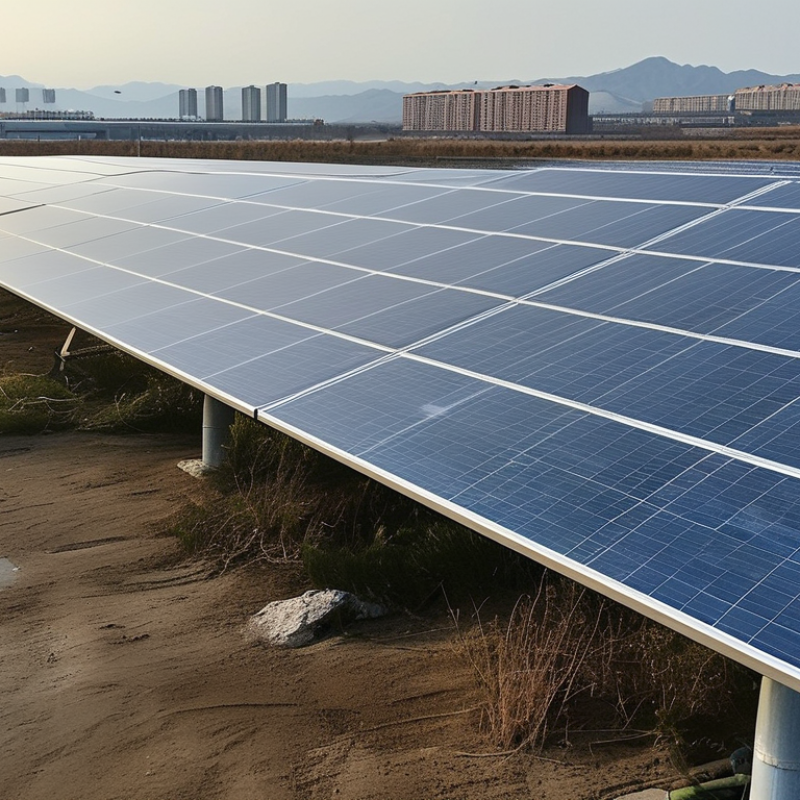
Advantages of Aluminum Solar Mounts in Harsh Weather Conditions
Aluminum solar mounts have unique advantages, especially in harsh weather conditions. They are lightweight, making installation easier and faster. In areas prone to heavy rain or snow, aluminum's resistance to corrosion ensures longevity. This metal can withstand the stresses caused by extreme temperatures and severe winds.
In coastal regions, the salty atmosphere is a challenge. Aluminum is more resistant to this corrosion than stainless steel. When strong storms hit, aluminum maintains its integrity better than many alternatives. However, it’s essential to ensure proper installation to maximize its benefits.
While aluminum offers great benefits, there are some considerations. The lightweight nature can be a double-edged sword. If not anchored properly, light mounts can be vulnerable during strong storms. Regular inspections are necessary to catch any potential wear or damage early. Observing these factors can lead to improved performance and reliability over time.
Corrosion Resistance: Why Aluminum Outperforms Stainless Steel
When selecting materials for solar mounts, corrosion resistance plays a pivotal role. Aluminum consistently demonstrates superior performance compared to stainless steel. The 2021 report by the International Aluminum Institute highlights aluminum’s natural resistance to corrosion. This property arises from a protective oxide layer that forms when aluminum is exposed to the environment. In contrast, stainless steel, while also corrosion-resistant, requires higher maintenance in certain conditions and can still rust over time.
A study from the National Renewable Energy Laboratory emphasizes the longevity of aluminum under harsh weather conditions. Aluminum solar mounts have been found to last over 30 years with minimal degradation. Stainless steel mounts may require replacement or repairs due to corrosion, particularly in coastal areas. The failure rates of stainless steel are notably higher in aggressive environments. Using aluminum can thus reduce long-term costs and enhance system reliability.
Investing in aluminum solar mounts means fewer maintenance headaches. A 2022 environmental assessment noted that aluminum’s lightweight properties allow for easier handling, reducing labor costs during installation. Stainless steel’s weight can complicate logistics, leading to increased project timelines. Overall, opting for aluminum aligns well with sustainability goals, as its recyclability provides additional environmental benefits.
China Top 10 Benefits of Aluminum vs Stainless Steel Solar Mounts
| Benefit |
Aluminum |
Stainless Steel |
| Corrosion Resistance |
Excellent resistance; does not rust |
Good, but can rust if not passivated |
| Weight |
Lightweight, easier to handle |
Heavy, increases installation efforts |
| Cost |
Generally lower cost |
Higher material and fabrication costs |
| Sustainability |
Highly recyclable with less energy |
Recyclable but requires more energy |
| Thermal Conductivity |
Superior thermal conductivity |
Lower thermal conductivity |
| Aesthetics |
Modern finish; customizable |
Classic appearance; limited finish options |
| Load-Bearing Capacity |
Adequate for most applications |
Stronger and can bear more weight |
| Maintenance |
Low maintenance required |
May require periodic checking for rust |
| Electrical Conductivity |
Good conductor of electricity |
Poor conductivity compared to aluminum |
| Durability |
Resilient in various weather conditions |
Durable but can be brittle under extreme conditions |
Weight Considerations: Comparing Aluminum and Stainless Steel Solar Mounts
When comparing aluminum and stainless steel solar mounts, weight plays a crucial role. Aluminum is significantly lighter, which simplifies transportation and installation. Lighter mounts reduce structural stress on roofs, making them suitable for various applications. However, this can also lead to concerns about durability. Lighter materials sometimes compromise strength, requiring thoughtful consideration.
Stainless steel, while heavier, offers exceptional strength and corrosion resistance. This makes stainless steel mounts ideal for harsh environments. However, the increased weight can complicate installation and potentially increase shipping costs. Understanding how these materials perform under different conditions is essential for proper selection.
**Tip**: Always assess the weight capacity of your mounting structure. Ensure it can support the selected mount without jeopardizing safety.
Choosing between aluminum and stainless steel ultimately depends on your specific needs. Sometimes, a lightweight aluminum mount may not withstand extreme weather. In other situations, extra weight from stainless steel could hinder a smooth installation. Reflect on the environment and conditions your solar array will face. Prioritize durability along with weight considerations.
China Top 10 Benefits of Aluminum vs Stainless Steel Solar Mounts
Cost-Effectiveness of Aluminum vs Stainless Steel for Solar Applications
Aluminum and stainless steel are two popular materials for solar mounts. In terms of cost-effectiveness, aluminum generally emerges as the more affordable option for solar applications. According to recent industry reports, aluminum solar mounts can be up to 30% cheaper than their stainless steel counterparts. This price difference makes aluminum an attractive choice for budget-conscious projects.
One should consider that while stainless steel offers better strength and corrosion resistance, it comes at a higher initial investment. A study from the Solar Energy Industries Association (SEIA) indicates that over 20 years, the lower maintenance costs of stainless steel may provide long-term savings. However, the upfront cost can be a significant hurdle for many solar projects, especially for smaller installations.
It's essential to analyze the specific requirements of each installation. Factors such as location, environmental conditions, and load requirements are crucial. For instance, in coastal areas with high corrosion risks, stainless steel might be preferred. This highlights the need for careful decision-making when choosing materials. Balancing cost against longevity and performance requires a nuanced understanding of both materials' strengths and weaknesses.
Recyclability and Environmental Impact of Aluminum and Stainless Steel
When evaluating the recyclability and environmental impact of aluminum and stainless steel solar mounts, aluminum often stands out due to its properties. Research indicates that aluminum is 100% recyclable without losing its integrity. In contrast, stainless steel, while also recyclable, involves more energy-intensive processes. The International Aluminum Institute reports that every ton of aluminum recycled saves about 9 tons of CO2 emissions compared to producing new aluminum.
Aluminum’s lower weight contributes to reduced transportation emissions, proving beneficial for solar energy installations. However, its production requires significant energy. In contrast, stainless steel can provide durability and resistance in harsh environments, yet it has a higher environmental footprint during extraction and processing. According to the World Steel Association, stainless steel manufacturing is responsible for approximately 1.7 tons of CO2 per ton produced.
Tips: When selecting materials for solar mounts, consider not just the initial costs but also the long-term environmental impact. Ask about recycling rates and explore local facilities for sustainable disposal. Remember, the ecological footprint of your choice affects future generations.
Evaluate the balance between performance and sustainability. While stainless steel offers resilience, aluminum’s recyclability makes it a preferred choice in many scenarios. Keeping an eye on evolving industry practices can guide better decision-making.
FAQS
: Aluminum outperforms stainless steel in corrosion resistance due to its natural protective oxide layer.
Aluminum mounts can last over 30 years with minimal degradation, even in harsh weather.
Yes, stainless steel may require more maintenance and can rust over time, especially in coastal areas.
Aluminum is lighter, simplifying transportation and installation, and reduces structural stress on roofs.
Yes, while lighter, they may compromise strength and durability under extreme weather conditions.
It's vital to ensure the selected mount's weight capacity supports safety and function.
Stainless steel's weight can complicate logistics and potentially increase shipping costs.
Aluminum is recyclable, which provides additional environmental benefits and aligns with sustainability goals.
Reflect on both; sometimes, lightweight aluminum may not suit extreme conditions, while heavier stainless can hinder installation.
Conclusion
When considering solar mounts, one might ask, "What are the benefits of aluminum vs stainless steel solar mounts?" Aluminum offers several advantages, especially in harsh weather conditions. Its lightweight nature facilitates easier installation and reduces structural stress, while its corrosion resistance surpasses that of stainless steel, making it an ideal choice for various environments. Furthermore, aluminum's cost-effectiveness in solar applications often leads to lower overall project expenses.
Additionally, both materials are recyclable, but aluminum typically has a smaller environmental footprint. The recyclability of aluminum supports sustainability efforts without compromising strength and durability. Analyzing these factors, it's clear that aluminum solar mounts present significant advantages over stainless steel, making them a preferred option for both efficiency and environmental responsibility in solar installations.

 Soltrux Solar