The shift towards solar energy is accelerating. As installations increase, so do safety concerns. "What safety precautions are needed during solar installation?" is a pressing question. According to a report by the Solar Energy Industries Association, improper installation can lead to accidents and injuries.
Expert Jamie Lee, a safety consultant in the solar sector, emphasizes, "Safety must be prioritized at every installation site." This highlights the critical role of safety measures in protecting workers and property. Strikingly, recent statistics show that 20% of solar installation accidents stem from inadequate safety training.
Installing solar panels involves working at heights, handling heavy materials, and dealing with electrical equipment. Each task presents unique risks. Workers must wear appropriate gear, use harnesses, and follow safety protocols. Underestimating these precautions can result in serious injuries and costly project delays. The journey towards renewable energy must not compromise safety.
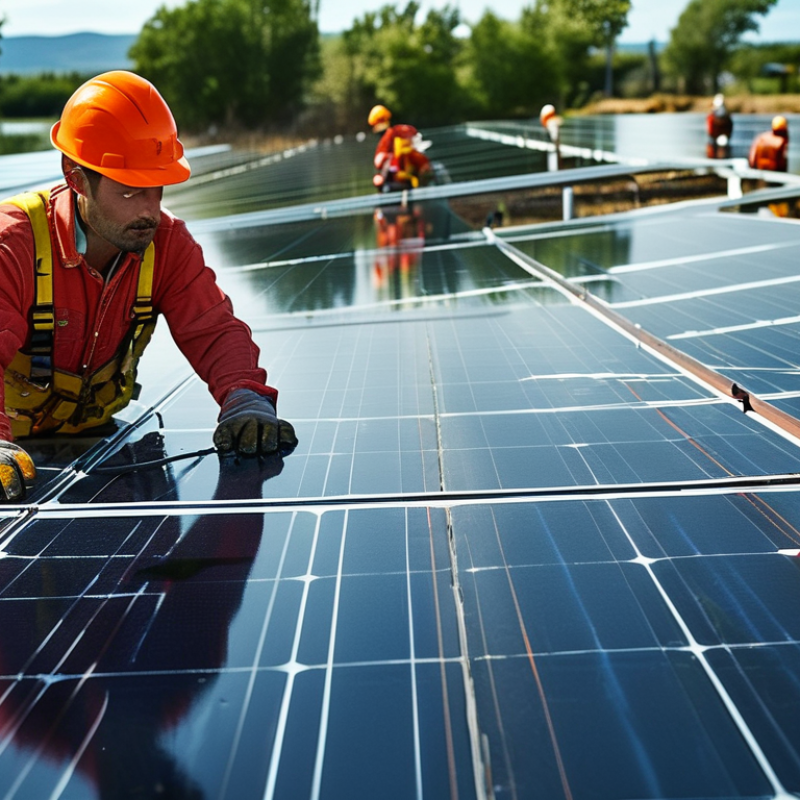
Understanding Electrical Hazards During Solar Installation
Electrical hazards pose significant risks during solar installation. It is essential to recognize these dangers early. High voltages and live wires can lead to severe injuries or fatalities if not handled properly. Always ensure that the system is de-energized before beginning work. Use insulated tools and wear protective gear like gloves and helmets. This reduces the risk of electrical shock.
Another critical area is grounding. Proper grounding of solar panels and inverters protects against electrical surges. A lack of grounding can lead to equipment damage and safety risks. It's crucial to check that all components are correctly wired and connected. Regularly inspect them for wear or damage. Addressing these issues promptly can prevent larger problems down the line.
Training and awareness are vital. Installers should be educated about potential hazards. Understanding how to react in emergencies can save lives. Know where circuit breakers and emergency shut-off switches are located. This knowledge can help in critical situations. Regular safety drills can reinforce proper procedures and keep everyone vigilant. It's clear that safety must always be the priority in solar installations.
Essential Personal Protective Equipment for Solar Installers
When it comes to solar installation, safety must be prioritized. Personal protective equipment (PPE) plays a critical role in ensuring the safety of solar installers. According to the Occupational Safety and Health Administration (OSHA), proper PPE can reduce workplace injuries by as much as 40%. This highlights the importance of equipping workers with the right tools.
One essential piece of equipment is a hard hat. It protects installers from falling objects. Data from the National Safety Council shows that head injuries account for over 10% of all workplace injuries. Additionally, safety glasses are vital. They shield eyes from debris and harmful UV rays. Hearing protection is also critical, especially in noisy environments. This equipment can reduce the risk of permanent hearing loss.
Fall protection gear is another necessity. Harnesses, lanyards, and guardrails are crucial in preventing serious injuries. The Bureau of Labor Statistics reports that falls are among the leading causes of fatalities in the construction industry. While most companies provide basic PPE, it is essential to conduct regular training and inspections. Some installers may overlook equipment checks, resulting in dangerous situations. Prioritizing proper PPE ensures that safety is never compromised during solar installations.
Safe Lifting and Handling Practices for Solar Panels
When installing solar panels, safety is paramount. Safe lifting and handling practices are crucial to prevent accidents and injuries. According to the Occupational Safety and Health Administration (OSHA), approximately 3,900 injuries related to lifting occur every year in construction. Proper techniques can significantly reduce this risk.
Use both hands when lifting solar panels. This provides better control and balance. Lifting teams should communicate clearly, ensuring everyone knows when to lift or lower. Using equipment like dollies or hoists can also reduce physical strain. More than 25% of injuries on job sites involve improper lifting, highlighting the importance of training and awareness.
Protective gear is essential. Hard hats, gloves, and steel-toed boots help mitigate risks. Workers should assess their surroundings, checking for potential hazards before starting the installation. A study by the National Safety Council (NSC) found that safety equipment can reduce injuries by up to 60%. Remember, taking the right precautions is not just about compliance; it’s about creating a safe work environment for everyone involved.
Compliance with Local Regulations and Safety Standards
When installing solar panels, compliance with local regulations is crucial. Each region has specific codes and standards. These guidelines ensure the installation aligns with safety protocols. In the United States, the National Electrical Code (NEC) sets key requirements. According to the Solar Energy Industries Association, nearly 90% of projects face compliance issues, indicating a critical area for improvement.
Safety standards also address installation risks. For instance, fall hazards during roof work are significant. The Occupational Safety and Health Administration (OSHA) reports that improper safety measures lead to frequent accidents. In 2020, there were over 700 fatalities directly related to falls in the construction industry. Thus, implementing personal protective equipment (PPE) is non-negotiable.
Lastly, local permits provide an extra layer of scrutiny. Many installations are delayed due to overlooked paperwork. A study found that almost 30% of solar projects experience approval lags. Regular inspections and timely documentation can mitigate these challenges. Building partnerships with local authorities can enhance compliance efforts, reducing project risks and ensuring safer installations.
Top Safety Precautions for Solar Installation
Emergency Preparedness for Solar Installation Sites
Emergency preparedness for solar installation sites is crucial for ensuring safety among workers and protecting equipment. An alarming statistic reveals that around 30% of solar installation incidents result from inadequate safety protocols. Training workers in emergency response is vital. A recent industry report indicates that trained teams can reduce injury rates by up to 40%.
Having an emergency response plan is essential. This plan should include evacuation routes, first aid procedures, and contact information for medical facilities. Regular drills can enhance familiarity with these procedures. Notably, only 25% of solar installation sites conducted such drills last year, leaving many unprepared for potential accidents.
Additionally, proper signage plays a vital role. Clear warnings about hazards must be visible at all times. About 15% of accidental injuries occur due to miscommunication. Keeping the site organized can prevent chaos during emergencies. Regular assessments of the site, along with equipment checks, can help ensure readiness. However, understanding that not every plan works flawlessly is key. Continuous improvement and feedback from past experiences are necessary to enhance safety efforts.
FAQS
: PPE reduces workplace injuries by up to 40%. It ensures safety during installations.
Hard hats, safety glasses, and hearing protection are essential items. They help prevent various injuries.
Fall protection gear, like harnesses, is crucial. It prevents serious injuries from falls, a leading cause of fatalities.
Use both hands and communicate clearly with your team. This reduces the risk of injury during lifting.
Assess surroundings for potential hazards. Proper evaluation helps prevent accidents and promotes safety.
Local regulations ensure safety compliance. Ignoring them can lead to accidents and project delays.
Training raises awareness about safe lifting techniques. It can significantly reduce injuries related to improper handling.
Some installers overlook equipment checks. These oversights create dangerous situations on job sites.
Many projects face delays due to overlooked permits. Timely documentation is vital for smoother processes.
Safety standards focus on fall hazards and equipment use. Proper measures are essential to prevent accidents.
Conclusion
When considering solar installation, it's pivotal to address the question: "What safety precautions are needed during solar installation?" Safety begins with a comprehensive understanding of electrical hazards that might arise during the installation process. Installers must be equipped with essential personal protective equipment (PPE) to mitigate risks and protect themselves from potential injuries. Safe lifting and handling practices are also crucial, especially when dealing with heavy solar panels.
Moreover, compliance with local regulations and safety standards is a key aspect of ensuring a safe installation environment. This not only helps in preventing accidents but also guarantees that the installation meets all necessary legal requirements. Lastly, having an emergency preparedness plan is vital for any solar installation site, allowing teams to respond quickly and effectively in case of unforeseen incidents. By adhering to these safety precautions, solar installers can significantly enhance their safety and efficiency on the job.

 Soltrux Solar