In the solar energy industry, durability is paramount. The question "Why do some solar brackets rust faster than others?" is critical for manufacturers and installers alike. Recent reports indicate that corrosion can lead to a significant decrease in the lifespan of solar installations. For instance, studies suggest that poorly coated solar brackets can corrode up to 50% faster in coastal environments, where salt exposure is prevalent.
Materials and coatings play a vital role in rust resistance. High-quality galvanization is essential, yet many brackets produced in lower-cost settings do not meet these standards. The variability in manufacturing practices leads to inconsistency in corrosion resistance. Industry experts have noted that improper treatment and low-grade materials often contribute to accelerated rusting, raising concerns for long-term investments.
Additionally, environmental factors can influence rust rates. Local climates, humidity, and air quality contribute to the corrosion process. There's an ongoing debate regarding the effectiveness of protective coatings used on solar brackets. This highlights a need for comprehensive testing and standardization in manufacturing. Understanding these factors is crucial for ensuring solar panel systems remain functional and efficient over time.
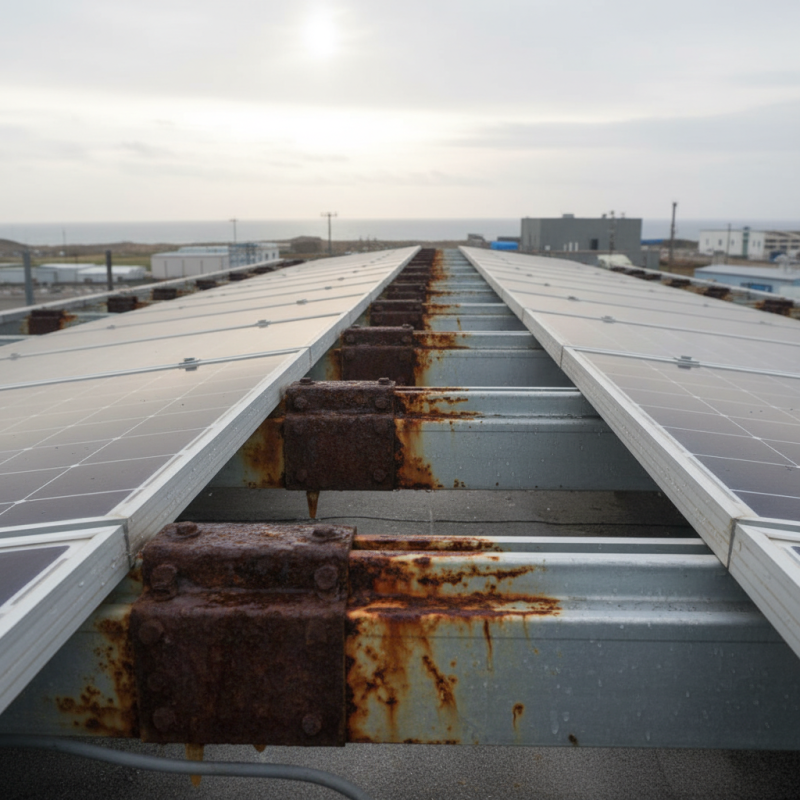
Factors Influencing Rust Resistance in Solar Brackets
Rust formation on solar brackets can significantly affect their longevity and performance. Several factors influence rust resistance in these components, particularly in regions like China, where environmental conditions vary widely. According to a study by the International Renewable Energy Agency, exposure to high humidity and industrial pollutants can accelerate rusting in steel solar brackets.
Material composition plays a crucial role in rust resistance. Stainless steel, for instance, contains chromium, which forms a protective layer against corrosion. Conversely, carbon steel lacks these properties and may rust quickly under harsh conditions. A report from the National Renewable Energy Laboratory indicates that untreated steel brackets can show signs of rust within months when exposed to moisture and air.
Coating methods are also vital in enhancing rust resistance. Hot-dip galvanization is one effective method, providing a thick layer of zinc that protects the steel underneath. However, not all manufacturers apply coatings uniformly, leading to inconsistent performance. Minor defects in coatings can lead to rapid degradation, showing the importance of quality assurance processes in production. This inconsistency raises questions about how effectively different batches can withstand the test of time.
Climate Conditions and Their Impact on Solar Bracket Longevity
Climate conditions play a critical role in the longevity of solar brackets. In China, variations in temperature, humidity, and air quality can significantly influence rust development. Coastal areas may experience higher humidity, leading to accelerated corrosion. In contrast, arid regions with less moisture may see longer-lasting brackets. Yet, even in dry areas, pollutants can cause metal fatigue.
The type of materials used in solar brackets also interacts with environmental factors. Stainless steel brackets tend to resist rust better than their galvanized counterparts. However, inadequate coatings on these materials may fail under harsh conditions. Regular monitoring of bracket integrity is essential but often overlooked. Many installations do not consider local climate thoroughly.
Additionally, the maintenance practices affect the durability of solar brackets. Neglecting routine checks can lead to accelerated wear. Environmental assessments can paint a clearer picture of potential vulnerabilities. Improved research into specific climate impacts can help in selecting the right materials. This understanding fosters better designs and longer-lasting solar energy solutions.
Impact of Climate Conditions on Solar Bracket Rusting
Material Composition: How Different Alloys Affect Corrosion Rates
Corrosion rates in solar brackets can vary significantly based on their material composition. Alloys with higher aluminum content tend to resist rusting better. According to a recent industry report, brackets made from 6061 aluminum alloy showed a corrosion resistance rate of 35% better than those from less effective counterparts. This difference is critical, especially in coastal areas where salt exposure accelerates corrosion.
Not all alloys are created equal. Even small changes in the mix can lead to major differences in longevity. For instance, 3003 aluminum is more susceptible to corrosion compared to 6061. The latter contains magnesium, which enhances protective oxide layer formation. In harsh conditions, this can mean the difference between a five-year or a ten-year lifespan for solar brackets.
Environmental factors also play a role. Humidity, temperature, and pollution levels can exacerbate rusting. A study indicated that brackets in urban settings, laden with industrial pollutants, rusted 40% faster than those in rural areas. This highlights the need for proper material selection based on local environment. Understanding these nuances can guide manufacturers toward developing more robust solutions.
Manufacturing Processes and Their Role in Rust Formation
Rust formation on solar brackets varies widely across China, largely due to differing manufacturing processes. Factors like material choice and surface treatment significantly influence durability. Brackets made from low-quality steel often show rapid rusting. Conversely, those utilizing corrosion-resistant materials tend to last longer.
The manufacturing process itself is vital. If brackets undergo insufficient coating, their vulnerability increases. Poor quality control can lead to uneven surface treatments that compromise protection. The geography of the production sites further impacts rust rates. Areas with high humidity or pollution can exacerbate the issue.
Environmental considerations are also crucial. While some manufacturers may focus on cost savings, this can lead to quicker rust development. An emphasis on robust quality assurance processes is essential yet often overlooked. Without proper scrutiny, many brackets may not meet the standards necessary for long-term performance. Investing in research and development could improve resilience in harsh conditions.
Preventive Measures to Enhance Solar Bracket Durability in China
In China, solar brackets face significant challenges related to rust. The varying climate across regions means some areas experience harsher conditions than others. A report from the China Renewable Energy Society shows that coastal regions can have over 3,000 hours of humidity each year. This high level of moisture leads to faster corrosion of solar brackets.
To enhance durability, consider using galvanized steel for bracket construction. Galvanization provides a protective zinc layer that significantly slows rust formation. Also, regular inspections can help identify early signs of corrosion, allowing for timely repairs or replacements. For instance, a report by the National Renewable Energy Laboratory indicates that solar systems with regular maintenance last 20% longer.
Tip: Applying protective coatings can also extend the life of brackets. Coatings provide an additional barrier against moisture and corrosive elements. Pay attention to areas that may accumulate water. These spots often need extra protection.
Tip: Investing in high-quality materials can yield long-term benefits. Although initial costs may be higher, durability can lead to lower maintenance expenses. It's essential to choose reliable suppliers based on their reputation and track record in the industry. Making informed decisions now can prevent costly issues in the future.
FAQS
: Climate conditions, like temperature and humidity, influence rust development significantly.
Coastal areas with high humidity tend to experience accelerated corrosion rates in solar brackets.
No, stainless steel brackets resist rust better than galvanized ones, but coatings matter too.
Even in dry areas, pollutants can still cause metal fatigue, affecting bracket lifespan.
Regular checks can prevent accelerated wear and detect vulnerabilities in bracket integrity.
Neglecting maintenance leads to accelerated wear and shorter lifespan of solar brackets.
Poor quality materials and treatments increase rusting; low-quality steel rusts faster.
Insufficient quality control results in uneven treatments, compromising the brackets' protective measures.
Yes, focusing on cost savings can lead to quicker rust development in solar brackets.
Research can improve bracket resilience in harsh conditions, ensuring better long-term performance.
Conclusion
The article "Why Do Some Solar Brackets Rust Faster Than Others in China" delves into multiple factors that influence the rust resistance of solar brackets. Key among these factors are climate conditions, which significantly impact the longevity of solar brackets exposed to varying levels of humidity and temperature fluctuations. Additionally, the material composition, particularly the types of alloys used, plays a crucial role in determining corrosion rates.
Manufacturing processes, including surface treatments and coatings, also affect rust formation, highlighting the importance of quality control in production. To enhance durability, the article discusses preventive measures such as regular maintenance and the use of advanced materials. By exploring these elements, the article seeks to answer the question, "Why do some solar brackets rust faster than others?" and provide insights into improving their lifespan in diverse environmental conditions.

 Soltrux Solar