Explore our premium structural systems engineered for peak performance, extreme weather durability, and rapid site installation.
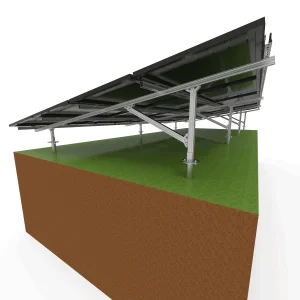
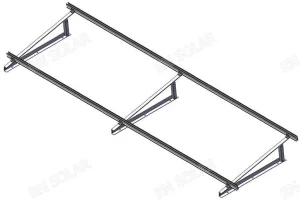
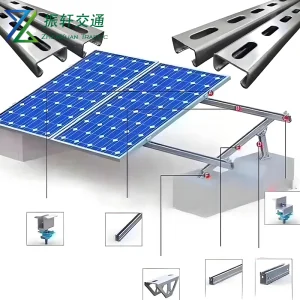
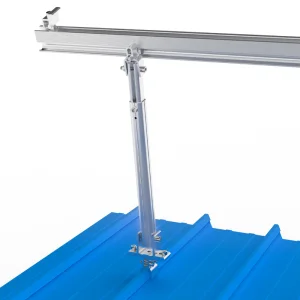
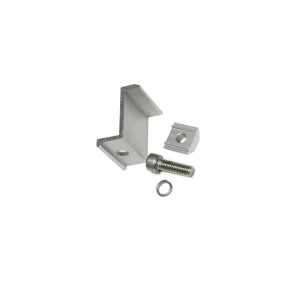
Ground solar installations are permanent, multi-decade assets exposed to changing environmental conditions. Designing structural racking requires a balance of metallurgical engineering, structural aerodynamics, and geotech science. A ground solar mount framework must resist mechanical stresses from high wind load pressures (up to 60m/s) and snow accumulations (up to 2.0 kN/m²), while maintaining electrical continuity and preventing electrochemical corrosion.
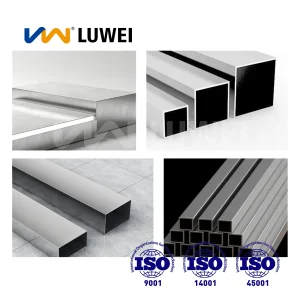
At the center of structural durability is the selection of materials and their design. Manufacturers use Finite Element Analysis (FEA) to simulate wind drag, torsional forces, and static pressures. For utility-scale installations, using high-strength steel alloys like Q355B or anodized structural aluminum alloys like AL6005-T5 ensures structural stability under pressure without adding excessive weight to the foundations.
Our OEM/ODM solutions are tailored to meet project-specific geotechnical parameters. Whether dealing with high-corrosivity soil profiles requiring specialized screw pile spacing, or rocky terrains needing concrete foundations, our design process incorporates every localized environmental parameter. By adjusting dynamic tilt configurations, structural spans, and rail depths, we provide frameworks optimized to prevent micro-cracks in solar panels, ensuring long-term solar yield and lowering Levelized Cost of Energy (LCOE).
| Mechanical Specification | Aluminum Alloy (AL6005-T5) | Galvanized Carbon Steel (Q355B) |
|---|---|---|
| Tensile Strength (MPa) | ≥ 260 | 490 - 630 |
| Yield Strength (MPa) | ≥ 240 | ≥ 355 |
| Corrosion Protection | Anodization (Class II, 15-20μm) | Hot-Dip Galvanization (≥ 85μm) |
| Unit Weight | Lightweight (approx. 2.7g/cm³) | Structural Strength (7.85g/cm³) |
| Ideal Applications | C&I Projects, Flat Roofs, Coastal Areas | Utility-Scale Ground, Heavy Snow Zones |
In global utility-scale solar projects, compliance with regional structural regulations determines project financing and feasibility. Financial institutions and EPC firms require racking products that are fully certified and compliant. A racking design without proper certification can lead to insurance denials, project delays, or structural failure.
For installations in the USA and Canada, structures must comply with the International Building Code (IBC) and ASCE 7. These guidelines govern structural calculations for wind loads, seismic risk, and dead loads. Additionally, UL 2703 certification is required to verify the safety of mounting, grounding, and bonding systems.
Australia's diverse climates require adherence to AS/NZS 1170.2, which regulates structural responses to wind pressure, terrain roughness, and topographic multipliers. Our systems are engineered to withstand Category D cyclonic zones, providing structural safety in windy coastal regions.
Compliance with Eurocode 1 (Actions on Structures) and Eurocode 9 (Design of Aluminium Structures) is standard for European developments. These codes ensure that structural tolerances, thermal expansion variations, and material fatigue limits are modeled to protect the PV modules over a 25-year lifespan.
Third-party testing from organizations like TÜV Rheinland, SGS, and Intertek is critical. Our products undergo cyclic loading tests, salt spray testing (for ISO 12944 C5 high-salinity ratings), and pull-out resistance tests. These certifications provide the documentation needed to secure bank financing and project insurance.
Leveraging the efficiency, manufacturing capacity, and integrated logistics of the Pearl River Delta.
Direct sourcing of raw materials allows us to manage manufacturing costs while ensuring consistent quality across all production batches.
Our facility features automated extrusion lines and CNC punching equipment, supporting custom ODM structural profiles with minimal tooling lead times.
Located near major ports in Shenzhen and Guangzhou, we facilitate efficient shipping and customs clearance for worldwide project delivery.
Dongguan Soltrux Solar Co., Ltd. is a leading China-based manufacturer specializing in smart solar mounting solutions for residential and commercial projects. Established in Dongguan, the company has built a strong reputation for delivering high-quality, durable, and adjustable solar brackets designed to maximize solar energy efficiency across diverse installations. Soltrux Solar combines advanced engineering with premium materials, including aluminum alloys and corrosion-resistant stainless steel, ensuring long-lasting performance even in harsh weather conditions.
The company offers a comprehensive range of mounting systems, including roof mounts, ground mounts, pole mounts, and custom adjustable solutions. With a focus on precision, reliability, and ease of installation, Dongguan Soltrux Solar serves both small-scale residential installations and large commercial solar projects. Their expert R&D and engineering teams continuously innovate, providing solutions compatible with fixed and tracking solar systems to enhance energy yield.
Committed to customer satisfaction and global standards, Dongguan Soltrux Solar exports its products worldwide, offering OEM and customized services tailored to specific project requirements. The company’s mission is to empower renewable energy adoption by providing efficient, sustainable, and cost-effective solar mounting solutions. With years of industry experience and a dedication to quality, Dongguan Soltrux Solar Co., Ltd. stands out as a trusted partner for solar installers, developers, and energy-conscious clients seeking reliable solar infrastructure.
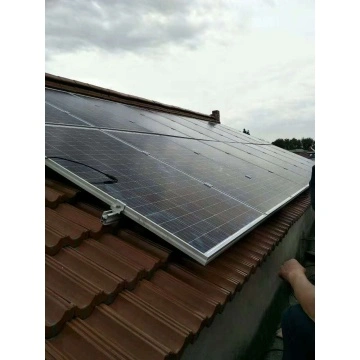
Ground mount frameworks require customization based on specific site layouts, soil conditions, and environmental factors. Standard racking systems may not address the unique challenges of rural, agricultural, or commercial developments.
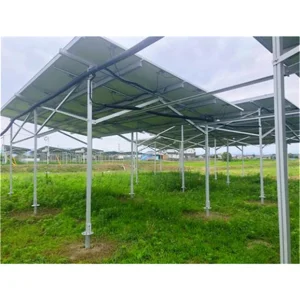
Agri-PV installations place solar arrays above active agricultural land. This setup requires higher clearance heights (up to 4 meters) to allow tractors and harvesting machinery to pass underneath. Frameworks must also be positioned to balance panel shading with the light requirements of the crops below. Using corrosion-resistant materials protects the structure from soil humidity and fertilizers.
Utility-scale projects prioritize ease of installation, structural uniformity, and durability. Designing structures with pre-assembled components simplifies field work and reduces labor costs. When installed on uneven terrain, adjustable brackets allow for minor height corrections, eliminating the need for extensive site leveling.
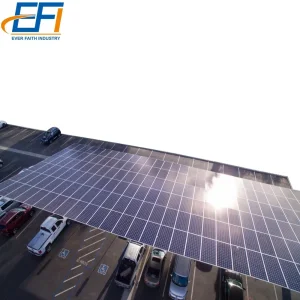
Carports turn open parking lots into energy-producing structures. This application requires wide spans to clear parked vehicles and high stability to ensure customer safety. The structural design must also manage rainwater drainage and integrate with localized concrete foundation requirements.
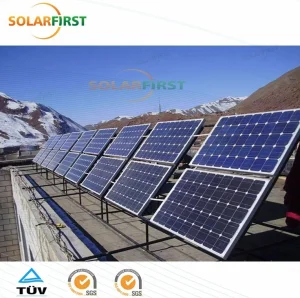
High-altitude sites experience higher snow loads and freezing temperatures. Brackets for these regions feature steeper tilt angles to help snow slide off naturally, preventing weight build-up. The structural alloys are treated to maintain flexibility and strength in sub-zero conditions.
Technical answers to common questions about ground-mounted solar structural engineering.
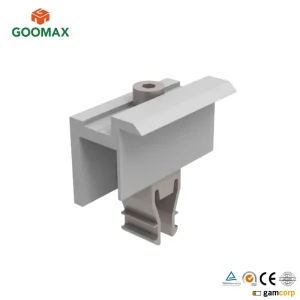
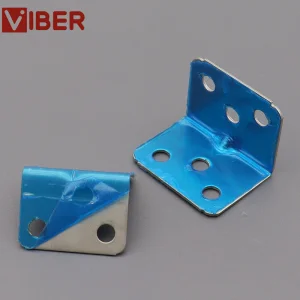
Explore our selection of commercial brackets, structural clamps, and tracking systems designed to complete your solar array configuration.
 Soltrux Solar