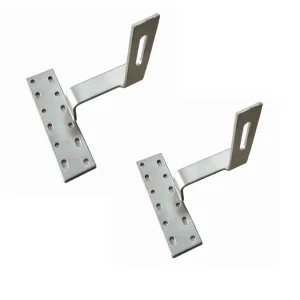
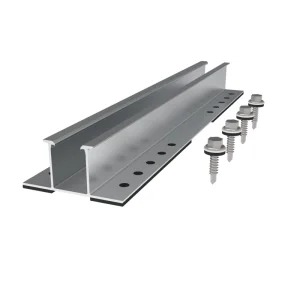
Explore our premium product portfolio containing heavy-duty structural roof hooks, corrosion-resistant ground mounts, and custom aluminum racking rails.
How flat-roof solar ballast trays protect building integrity while delivering stability under severe weather events.
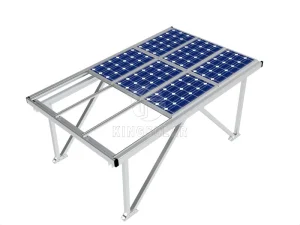
For commercial and industrial (C&I) properties, safeguarding the building envelope from leaks is paramount. Solar panel ballast trays present the ultimate solution, holding the array in place utilizing concrete block weights instead of structural fasteners. This approach drastically minimizes installation hazards and long-term water ingress liabilities.
Modern design methodologies combine Finite Element Analysis (FEA) with physical Wind Tunnel Testing. By optimizing the drag coefficient of the wind deflector and utilizing high-grade ballast trays, structural engineers can distribute load evenly, ensuring roof membranes do not collapse or tear under load.
"By relying on wind deflectors and intelligent geometry, engineers reduce the necessary dead weight on the roof, making ballasted trays viable for older structures with limited load capacities."
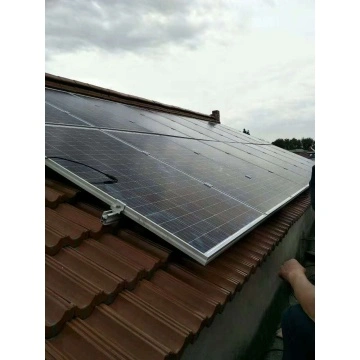
Utilizes custom-engineered rear and side wind deflectors. Aerodynamic design reduces upward wind lift, thereby minimizing the concrete ballast weight requirements on commercial roofs.
Manufactured using CNC punching and automated laser-cutting tools to guarantee sub-millimeter installation accuracy and seamless component interlocking during site setup.
Distributes static loads across large plastic or metal footpads. Eliminates localized stress, protecting PVC, TPO, and EPDM single-ply roof membranes from wear.
Why Tier-1 solar EPC contractors source ballast trays and mounting hardware directly from specialized Chinese industrial hubs.
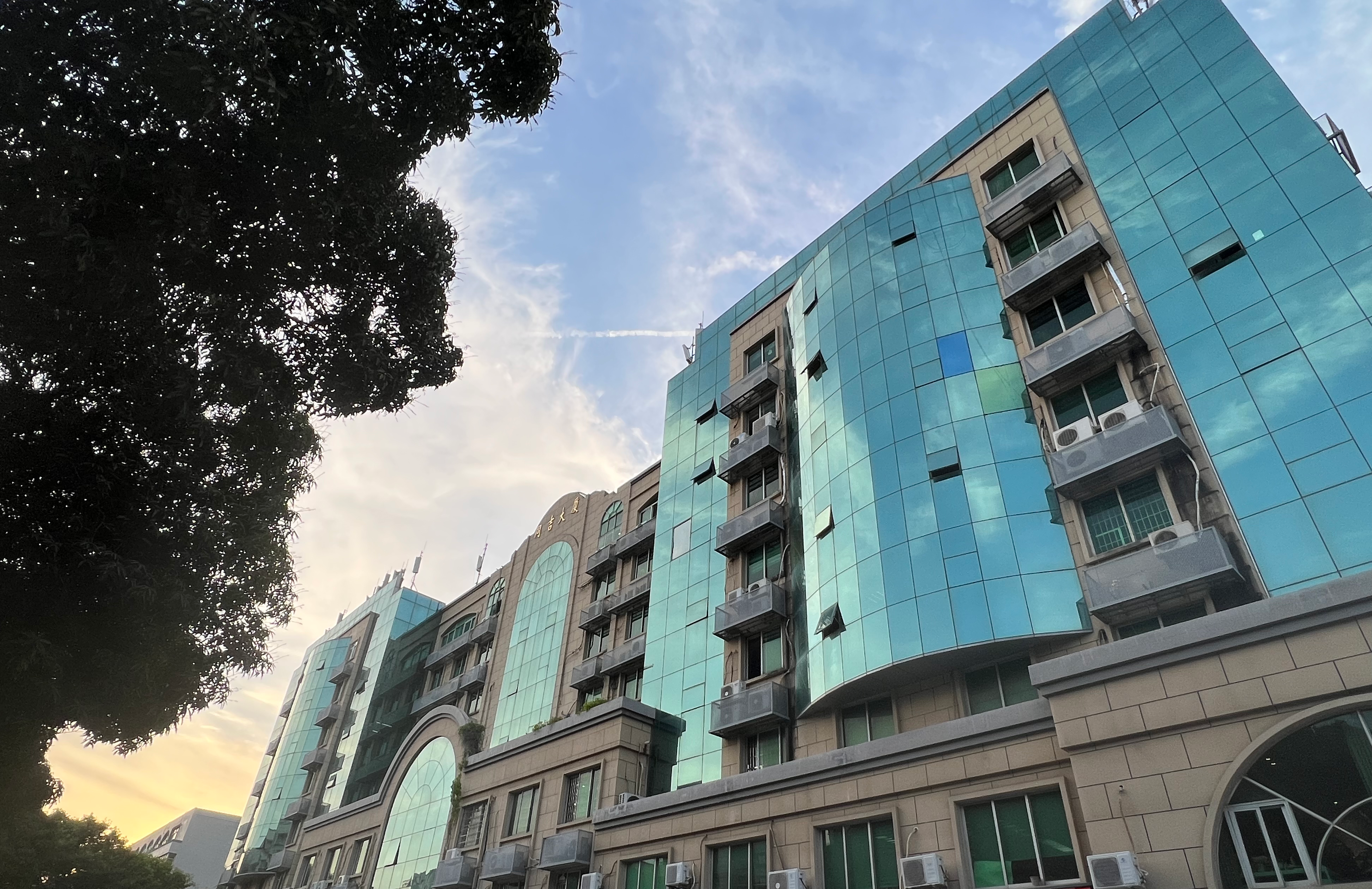
China is home to the world's most robust photovoltaic manufacturing ecosystem. Cities like Dongguan and Suzhou house vertically integrated fabrication centers that process structural alloys from raw ingot down to finished anodized rails and trays within a single industrial campus. This integration drastically reduces freight overheads and lead times.
Furthermore, local testing standards are aligned with global benchmarks. Premium suppliers offer full structural calculation reports, AS/NZS 1170.2, UL 2703, and CE certification protocols. Buying direct guarantees that components are verified against extreme environmental hazards, including salt-mist corrosion in coastal zones and heavy snow loads in sub-polar regions.
A benchmark for smart, engineering-driven solar mounting solutions engineered for reliability.
Dongguan Soltrux Solar Co., Ltd. is a leading China-based manufacturer specializing in smart solar mounting solutions for residential and commercial projects. Established in Dongguan, the company has built a strong reputation for delivering high-quality, durable, and adjustable solar brackets designed to maximize solar energy efficiency across diverse installations. Soltrux Solar combines advanced engineering with premium materials, including aluminum alloys and corrosion-resistant stainless steel, ensuring long-lasting performance even in harsh weather conditions.
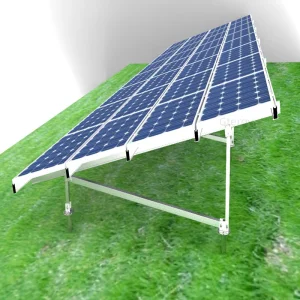
The company offers a comprehensive range of mounting systems, including roof mounts, ground mounts, pole mounts, and custom adjustable solutions. With a focus on precision, reliability, and ease of installation, Dongguan Soltrux Solar serves both small-scale residential installations and large commercial solar projects. Their expert R&D and engineering teams continuously innovate, providing solutions compatible with fixed and tracking solar systems to enhance energy yield.
Committed to customer satisfaction and global standards, Dongguan Soltrux Solar exports its products worldwide, offering OEM and customized services tailored to specific project requirements. The company’s mission is to empower renewable energy adoption by providing efficient, sustainable, and cost-effective solar mounting solutions. With years of industry experience and a dedication to quality, Dongguan Soltrux Solar Co., Ltd. stands out as a trusted partner for solar installers, developers, and energy-conscious clients seeking reliable solar infrastructure.
A systematic framework for procurement managers evaluating solar ballast tray suppliers.
Trays must be constructed from structural alloys such as AL6005-T5 or Hot-Dip Galvanized Steel (HDG) with coating thicknesses exceeding 80 microns to withstand marine atmosphere corrosion.
Ballast systems must maintain Class A fire rating certifications, ensuring that in the event of an electrical fault, the mounting structure does not contribute to flame propagation.
Modern flat roofs have complex elevation changes. Optimal trays must feature adjustable leveling legs to resolve local slope variances while maintaining uniform PV panel alignment.
Solving unique site installation challenges through custom OEM/ODM ballast infrastructure.
Coastal assets are subjected to intense wind pressure and corrosive salt spray. In regions like the Caribbean, traditional ballasted systems can shift. Engineers overcome this using aerodynamic spoilers combined with localized roof anchors that handle high shear forces without penetrating internal living spaces.
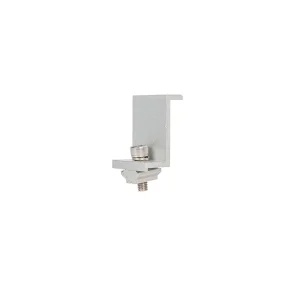
Suppliers design custom dual-axis tracking interfaces and high-tensile end clamps (like the 6005 alloy end clamps) that guarantee zero panel dislodgement. Soltrux Solar's engineering team provides full dynamic wind simulation models to ensure the system is physically stable before cargo leaves the factory.
Seismic events introduce dynamic ground motions that propagate through the building. Typical friction-based ballast trays can walk across the roof surface. By introducing interconnected steel mesh and cross-braced wire rope assemblies, developers can link individual ballast trays into unified structural diaphragms. This prevents localized sliding while distributing energy across the entire roof structure.
Everything you need to know about purchasing, engineering, and installing solar ballast tray systems.
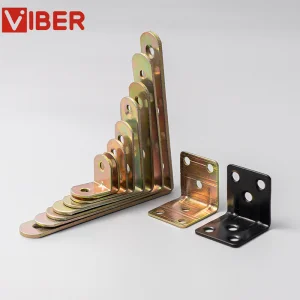
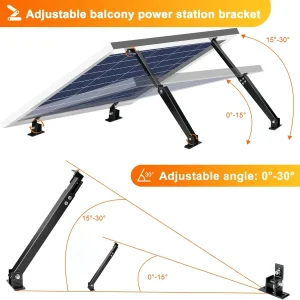
Complete structural systems including tracking mounts, adjustable tin roof brackets, and robust structural fasteners.
 Soltrux Solar