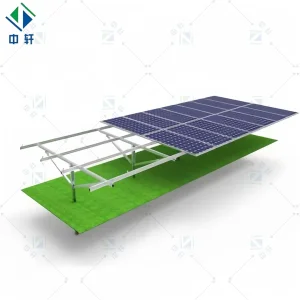
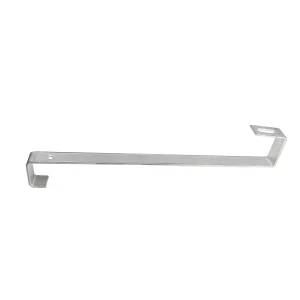
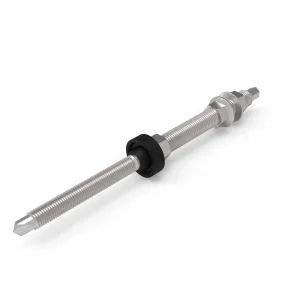
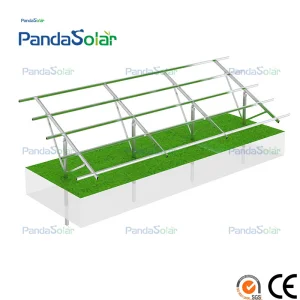
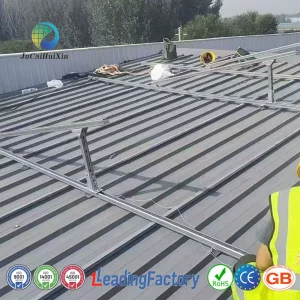
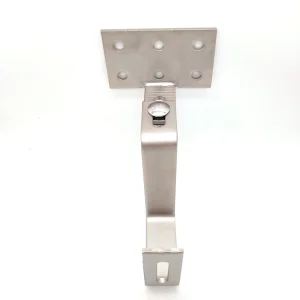
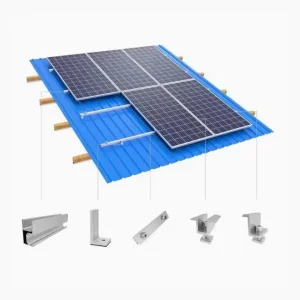
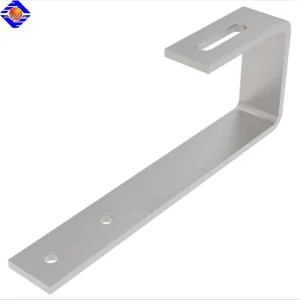
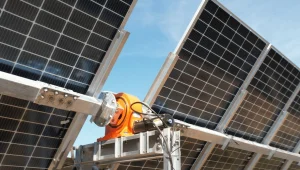
In utility-scale, commercial, and residential photovoltaic (PV) installations, the mechanical mounting structure acts as the foundational skeleton of the entire asset. Over a standard 25-to-30-year operational lifecycle, mounting brackets must sustain high structural stress, weathering excessive wind dynamics, seismic activities, and localized corrosion.
As solar cells and modules evolve towards larger formats (such as 210mm wafer sizes) and double-sided energy generation (bifacial PV), the requirements imposed on fixed-tilt solar mounts have elevated significantly. Selecting the right manufacturer is no longer just a purchasing transaction; it is a critical engineering decision directly affecting the Levelized Cost of Energy (LCOE) and the structural risk profiling of clean energy assets.
Dongguan Soltrux Solar Co., Ltd. is a leading China-based manufacturer specializing in smart solar mounting solutions for residential and commercial projects. Established in Dongguan, the company has built a strong reputation for delivering high-quality, durable, and adjustable solar brackets designed to maximize solar energy efficiency across diverse installations. Soltrux Solar combines advanced engineering with premium materials, including aluminum alloys and corrosion-resistant stainless steel, ensuring long-lasting performance even in harsh weather conditions.
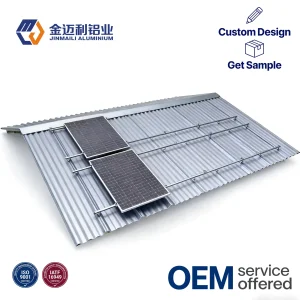
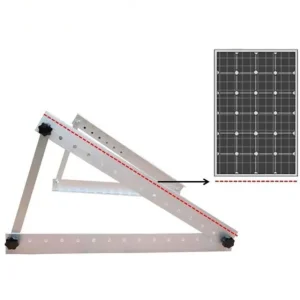
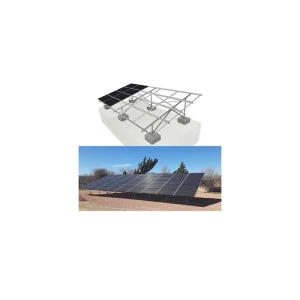
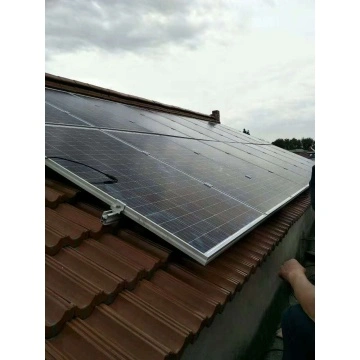
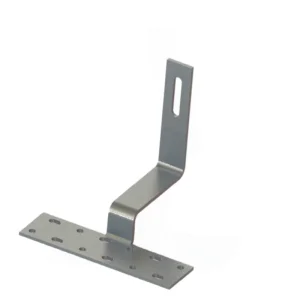
The company offers a comprehensive range of mounting systems, including roof mounts, ground mounts, pole mounts, and custom adjustable solutions. With a focus on precision, reliability, and ease of installation, Dongguan Soltrux Solar serves both small-scale residential installations and large commercial solar projects. Their expert R&D and engineering teams continuously innovate, providing solutions compatible with fixed and tracking solar systems to enhance energy yield.
Committed to customer satisfaction and global standards, Dongguan Soltrux Solar exports its products worldwide, offering OEM and customized services tailored to specific project requirements. The company's mission is to empower renewable energy adoption by providing efficient, sustainable, and cost-effective solar mounting solutions. With years of industry experience and a dedication to quality, Dongguan Soltrux Solar Co., Ltd. stands out as a trusted partner for solar installers, developers, and energy-conscious clients seeking reliable solar infrastructure.
As the PV sector reaches grid parity in major global regions, structural designs must evolve to accommodate emerging system parameters. The engineering paradigm is pivoting toward multi-variant customization, metallurgical breakthroughs, and hybrid fixed-adjustable systems.
Modern bifacial modules capture albedo (reflected light) from the ground. Traditional fixed mount structural designs cause rear-side shading, significantly undermining energy gain. The technical roadmap utilizes asymmetrical cross-sections, high clearance profiles, and wider purlin spans to eliminate rear-shading and maximize total power yield by up to 25%.
Industry standard Hot-Dip Galvanized (HDG) steel is increasingly being replaced by Zinc-Aluminum-Magnesium (ZAM) coated steels. ZAM coatings provide a self-healing effect on sheared edges, offering three to five times better corrosion protection under equivalent coating weights, reducing material use and ecological footprint.
Bridging the gap between static mounts and active trackers, seasonal adjustable fixed structures allow manual tilt adjustment (typically 2-4 times a year) to optimize the solar incidence angle. This mechanical option increases seasonal energy output by 5% to 8% without the high upfront cost or maintenance load of tracking systems.
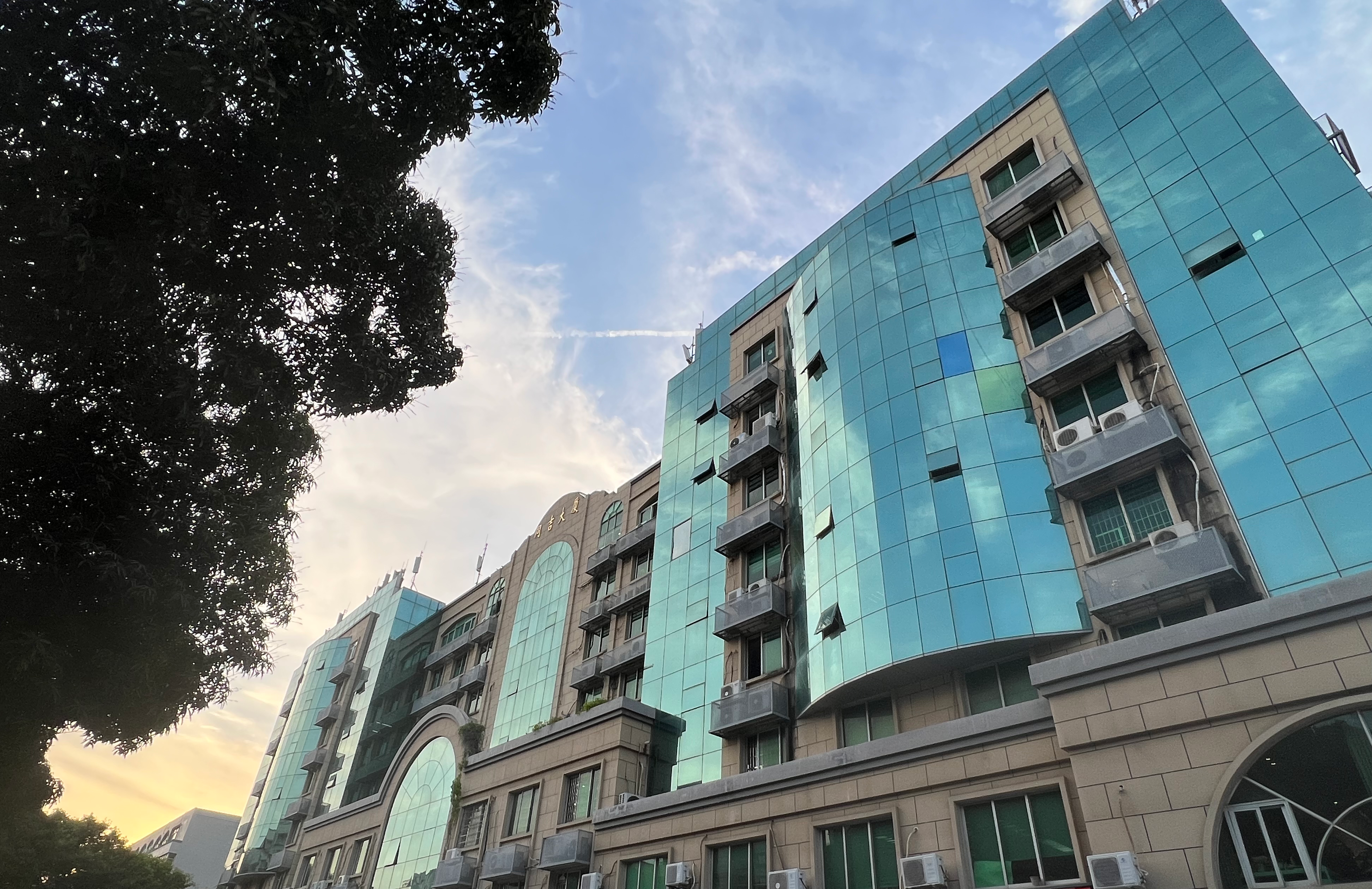
Modern PV developments occur in diverse environments, each demanding unique civil and structural engineering solutions. Standard designs fail when subjected to unique environmental loads or specific geographical terrains.
Dongguan's manufacturing ecosystems provide a structural advantage for global solar procurement. Leveraging industrial automation, automated material feeds, and raw material access optimizes production metrics.
Integration of multi-axis CNC punching, cold-roll forming lines, and robotic welding stations. Automated setups maintain manufacturing tolerances within ±0.5mm, improving alignment speed in the field and eliminating installation delays caused by dimensional discrepancies.
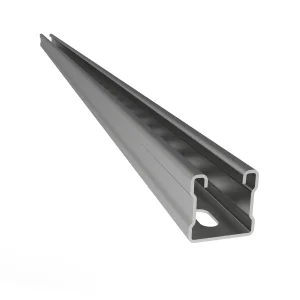
Proximity to primary aluminum extrusion clusters and major steel production centers reduces internal shipping overheads. Direct material sourcing ensures access to high-grade mill runs, backed by complete chemical and physical test reports.
In-house laboratories conduct yield strength tests, coating thickness measurements (via magnetic induction), and accelerated salt spray aging (ASTM B117) to verify corrosion resistance curves prior to container loading.
Procurement agents must verify that products align with international building and safety standards. Non-compliant structures run the risk of physical failure and insurance denial under extreme weather events.
Racking designs must comply with regional design code requirements. Ensure your manufacturer has structural designs evaluated against ASCE 7-16 (USA), Eurocode 1 (Europe), or AS/NZS 1170 (Australia/New Zealand).
Factories should maintain active ISO 9001:2015 (Quality Management System) registration. Product lines require CE conformity marking and TÜV certification to verify material and design safety claims.
Verify the origin of raw metals. Standard mill test certificates (EN 10204 3.1) must match shipments, showing precise alloy compositions (e.g., AL6005-T5) and mechanical properties (tensile strength, yield point, elongation).
 Soltrux Solar