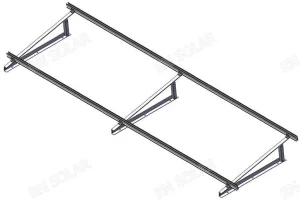
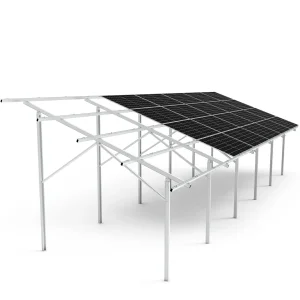
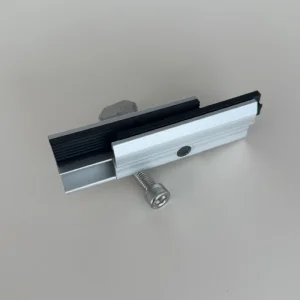
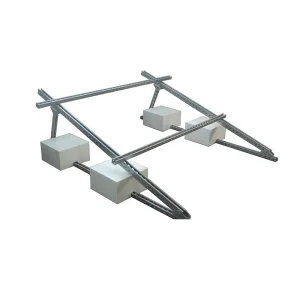
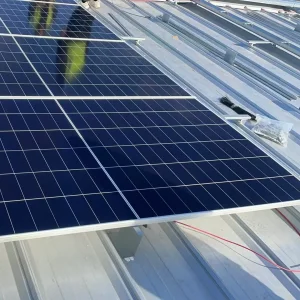
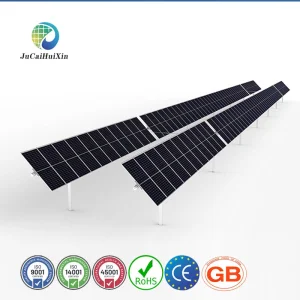
Pre-engineered structures built to withstand maximum Windhoek irradiation levels and the corrosive coastal soils of Walvis Bay.
Namibia is rapidly positioning itself as a clean energy leader in the Southern African Development Community (SADC) region. Driven by the Harambee Prosperity Plan II and the National Integrated Resource Plan (NIRP), the country is executing a structured transition away from imported electricity to achieve domestic energy independence. Boasting some of the highest Global Horizontal Irradiation (GHI) levels in the world—exceeding 2,500 to 3,000 kWh/m² annually—Namibia offers an ideal landscape for photovoltaic deployment.
However, the macroeconomic potential of solar energy in Namibia cannot be realized without structural systems optimized for its extreme atmospheric profile. High-capacity mining networks in regions like Otjozondjupa and Erongo require durable racking that can withstand desert temperatures reaching over 45°C. At the same time, expanding off-grid microgrids in rural Kunene and Zambezi demands lightweight, logistically simple systems that reduce overall civil construction overhead.
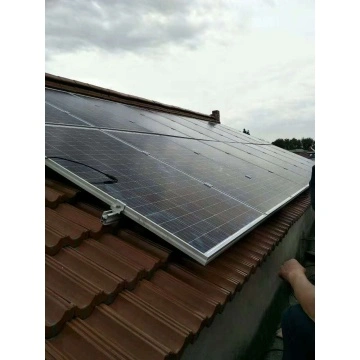
Globally, the utility and commercial solar industries are shifting toward lightweight structures. Reducing racking weight directly correlates with lowered shipping rates, minimal physical labor during installation, and reduced load stress on structural foundations. As a premier global exporter, Dongguan Soltrux Solar Co., Ltd. stands at the forefront of this shift, manufacturing premium structural racking configured for diverse regional climates.
By using advanced structural grades of anodized aluminum (such as AL6005-T5) and hot-dip galvanized steel, we address the common challenges of structural integrity. In Namibia, these globally verified materials translate to specialized protection against abrasive desert sandstorms, thermal fluctuations, and marine atmospheric conditions. Whether supporting fixed-tilt arrays or single-axis trackers, Soltrux ensures that each component aligns with global structural standards while being optimized for local challenges.
How Soltrux R&D mitigates degradation in Namibia's distinct geographical zones.
Coastal developments near Swakopmund and Walvis Bay face extreme humidity and corrosive salt fog. We use custom-anodized aluminum alloys with oxide film thicknesses exceeding 15 microns and high-performance Fiberglass Reinforced Plastics (FRP) that resist chemical attack.
The open expanses of the Namib Desert and Southern Kalahari experience high-velocity desert winds and sudden sandstorms. Soltrux structures are engineered and aerodynamically tested to withstand wind speeds up to 45 m/s (approx. 162 km/h).
With diurnal temperature fluctuations in arid zones regularly shifting from freezing nights to extreme daytime heat, our mounts utilize integrated expansion joints to prevent racking warping or panel stress micro-cracking.
Aligning project setups with Namibian engineering rules and port-to-site logistical timelines.
In Namibia, civil works and solar structural installations are expected to meet strict regional safety parameters. Soltrux designs conform to SANS 10160 (South African National Standard for Wind Actions) and Eurocode 9 (Design of Aluminium Structures). This guarantees that your project approvals with local municipalities or NamPower are secured smoothly, backed by rigorous static load computations and engineering certifications.
We maintain an optimized B2B shipping pipeline from our high-capacity factory in Dongguan directly to the Port of Walvis Bay. The port's direct road link through the Trans-Kalahari and Trans-Caprivi Corridors guarantees efficient transport of containerized mounting solutions to Windhoek, Swakopmund, Rosh Pinah, or northern regional microgrid projects.
Consult with our Engineering TeamAnalysis of local ground topology, wind speeds, and chemical soil profile (pH, chlorides) to choose the right foundation types.
R&D adjustments for high thermal swings and optimization of the structural components to save on overall steel/aluminum volume.
Pre-assembly checking and salt-spray testing before dispatching products to Walvis Bay.
Engineered structural systems built for Namibia’s distinct economic sectors.
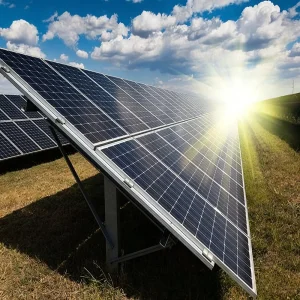
Mining operations in Rosh Pinah and Otjiwarongo require robust solar ground mounts to power heavy machinery. Our hot-dip galvanized and FRP structures provide long-term chemical resistance and durability in dusty, demanding mining environments.
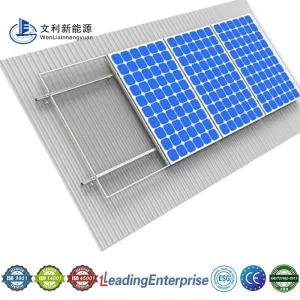
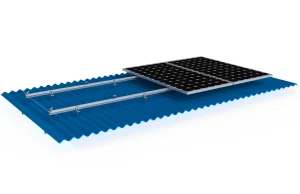
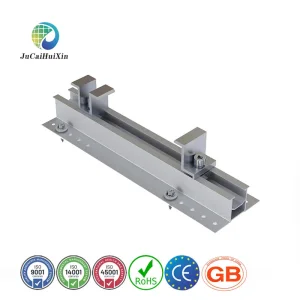
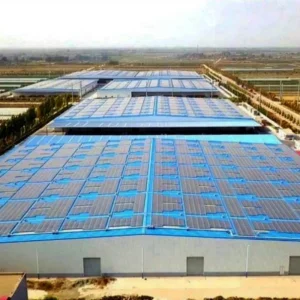
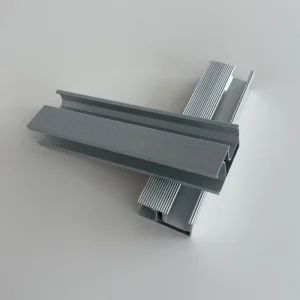
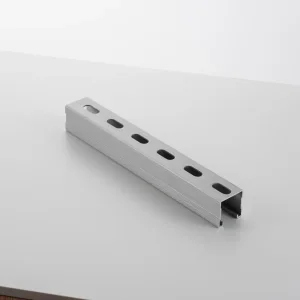
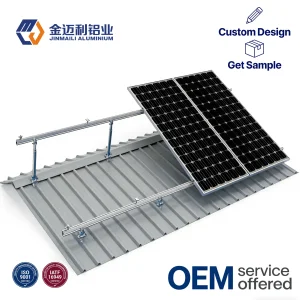
Industrial warehouses and seafood processing plants along the Walvis Bay coast require highly corrosion-resistant roof mounting systems. Our anodized AL6005-T5 rail brackets prevent salt spray damage and safeguard building roofs.
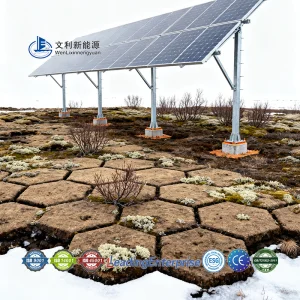
Mini-grids in isolated areas, such as the Kunene and Kavango regions, benefit from our lightweight tripod mounts and portable mounting kits. These solutions enable rapid installations without requiring heavy concrete works.
Expert insights on importing, designing, and maintaining solar structures in Namibia.
From corrugated metal roof brackets to tracking system frames, explore our full product range engineered for global export.
Partner with Dongguan Soltrux Solar Co., Ltd. for engineering designs, certified wind-load safety, and reliable shipping logistics straight to the Port of Walvis Bay.
Send Inquiry Now Soltrux Solar