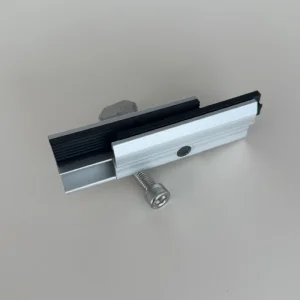
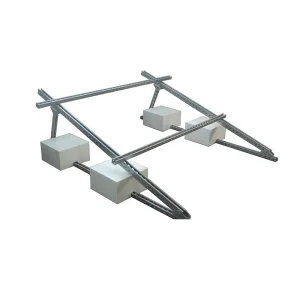
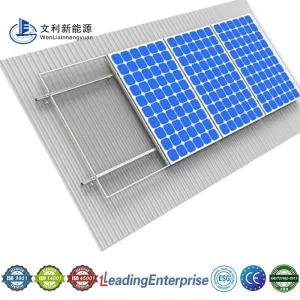
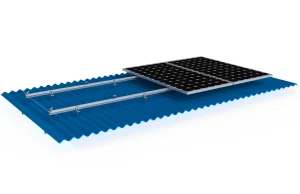
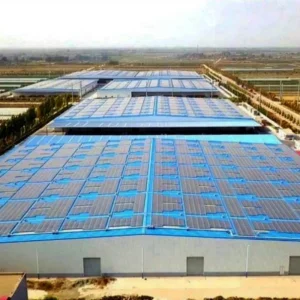
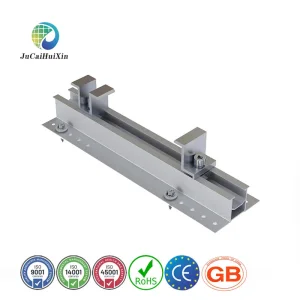
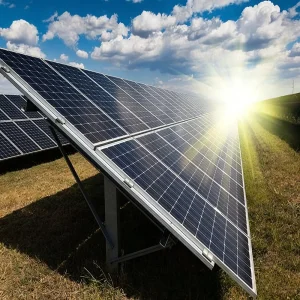
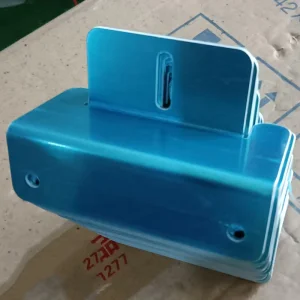
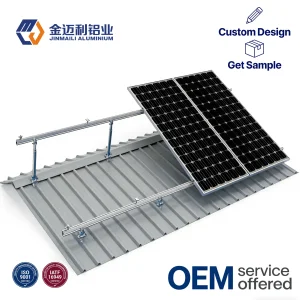
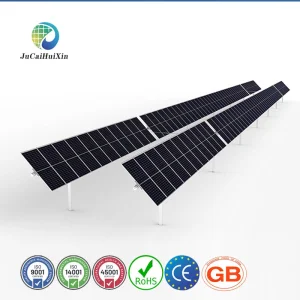
Explore our high-performance structural systems engineered specifically to handle challenging terrain, metal roofs, and high marine corrosion profiles.
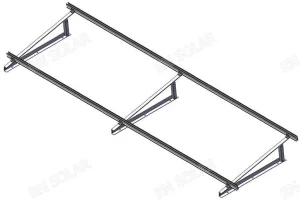
An in-depth look at how extreme equatorial environments, logistical hurdles, and structural requirements demand new engineering methodologies.
Kiribati, an island nation comprised of 32 atolls and one raised coral island spanning across the Pacific Ocean, represents one of the most demanding environmental test beds for photovoltaic infrastructures. Characterized by high solar irradiance levels, the region also faces extreme relative humidity, high atmospheric salt content, and active coastal winds. These factors create an accelerated corrosive profile for traditional steel-mounted structures.
Historically, heavy steel components imported to regions like Tarawa or Christmas Island suffered rapid oxidation within 24 to 36 months, leading to structural failures. For off-grid communities, commercial facilities, and utility installations, replacing failing structures is prohibitively expensive. This dynamic has driven the demand for engineered lightweight, high-strength anodized aluminum alloys (such as AL6005-T5) and Fiberglass Reinforced Polymers (FRP) that maintain structural integrity without requiring constant maintenance.
"Traditional metallic structures erode rapidly under tropical island salt-spray. The shift to lightweight, anodized aluminum and FRP alloys is not an option; it is a critical engineering requirement to ensure a 25-year solar lifecycle."
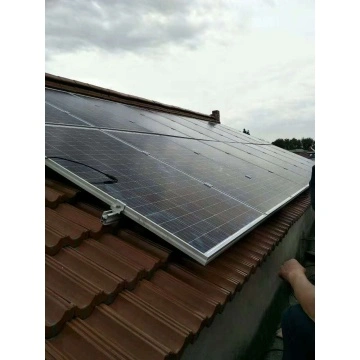
Shipping logistics to remote locations such as Betio, Kiritimati, or outer islands pose unique challenges. Freight rates per kilogram are among the highest globally, and offloading heavy structural components at shallow-water harbors often requires heavy port equipment that may not be available. By utilizing lightweight solar mounts, developers can slash transport costs by up to 40% and eliminate the need for heavy crane machinery during assembly.
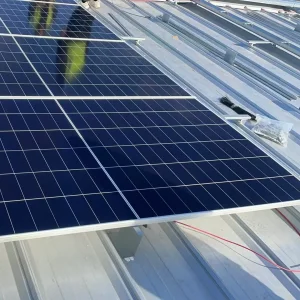
Furthermore, manual transport of components across sandy terrain or onto high roofs of public buildings (such as schools, hospitals, and water purification units) is safer and faster. Simplified connection mechanisms, pre-assembled tripod systems, and adjustable modular brackets decrease labor requirements on-site, enabling localized installation crews to complete projects without importing specialized technical labor.
Anodized coatings thicker than 15 microns combined with SUS304/316 fasteners prevent galvanic corrosion, ensuring structural integrity near shorelines.
Engineered to withstand extreme tropical storms and wind events common in Pacific marine zones, complying with international AS/NZS 1170.2 standards.
Reduces structural dead weight on older roofs and minimizes shipping fees to remote islands, supporting rapid manually handled installations.
Understanding the micro-structure and stress handling profiles of lightweight mounting alloys under high ultraviolet exposure.
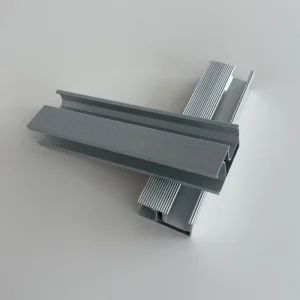
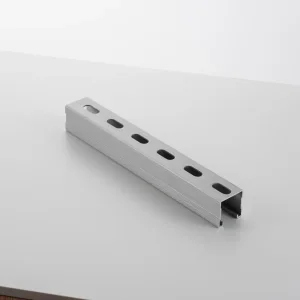
In equatorial regions, solar panels are subjected to intense UV rays that degrade polymer coatings, while the high relative humidity accelerates chemical reactions. Dongguan Soltrux Solar uses premium AL6005-T5 structural aluminum. This alloy goes through an artificial aging heat treatment to increase its yield strength up to 260 MPa, providing excellent resistance against structural deformation without the excessive weight of structural carbon steels.
Additionally, we utilize strict anodizing processes. The oxide layer created via controlled electrolysis acts as a barrier against chloride ion penetration. For installations in Kiribati, we recommend a minimum anodizing thickness of Class Class II (15µm to 25µm), preventing the formation of micro-pitting over long exposure periods.
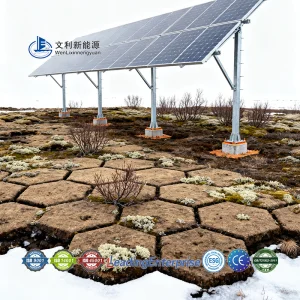
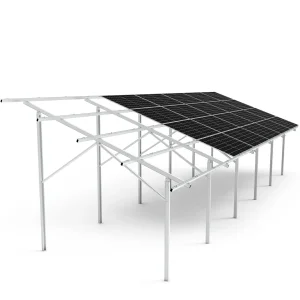
Ground-mounted installations in Kiribati face unique geotechnical conditions. The ground profile is primarily composed of loose coral sands with low cohesive properties and high permeability. Standard concrete foundations can be difficult to cast due to the salinity of local water sources, which weakens the concrete matrix. Our lightweight ground mounting solutions are designed to integrate with:
Leveraging state-of-the-art production lines, rigorous QC testing, and customized design capabilities to empower developers worldwide.
Dongguan Soltrux Solar Co., Ltd. is a leading China-based manufacturer specializing in smart solar mounting solutions for residential and commercial projects. Established in Dongguan, the company has built a strong reputation for delivering high-quality, durable, and adjustable solar brackets designed to maximize solar energy efficiency across diverse installations. Soltrux Solar combines advanced engineering with premium materials, including aluminum alloys and corrosion-resistant stainless steel, ensuring long-lasting performance even in harsh weather conditions.
The company offers a comprehensive range of mounting systems, including roof mounts, ground mounts, pole mounts, and custom adjustable solutions. With a focus on precision, reliability, and ease of installation, Dongguan Soltrux Solar serves both small-scale residential installations and large commercial solar projects. Their expert R&D and engineering teams continuously innovate, providing solutions compatible with fixed and tracking solar systems to enhance energy yield.
Committed to customer satisfaction and global standards, Dongguan Soltrux Solar exports its products worldwide, offering OEM and customized services tailored to specific project requirements. The company’s mission is to empower renewable energy adoption by providing efficient, sustainable, and cost-effective solar mounting solutions. With years of industry experience and a dedication to quality, Dongguan Soltrux Solar Co., Ltd. stands out as a trusted partner for solar installers, developers, and energy-conscious clients seeking reliable solar infrastructure.
Expert answers regarding mechanical specifications, shipping logistics, and material warranties for Kiribati.
Designed for versatile roof interfaces, ground configurations, farming applications, and marine environments.
 Soltrux Solar