Optimized structural components designed to withstand Baltic snow loads and winter winds while providing highly adjustable tilt configurations to secure maximum annual yield.
Latvia is undergoing a rapid clean energy paradigm shift. Anchored by the National Energy and Climate Plan (NECP) 2021-2030, the country targets an ambitious integration of non-fossil resources to cover up to 57% of final energy consumption. As the Baltic state phases out thermal reliance and local energy independence takes precedence, commercial, industrial (C&I), and grid-scale solar generation arrays have emerged as critical drivers.
However, the Baltic region presents highly distinct meteorological challenges. Situated at a latitude of approximately 56° to 58° N, Latvia experiences significant seasonal variations in solar radiation. In the high-insolation summer months, solar irradiance is relatively abundant; whereas winter brings low-altitude solar paths, heavy cloud cover, and prolonged snowfall. Under these geographic conditions, standard fixed-tilt mounting systems fail to capture significant potential yield.
By implementing solar panel adjustable angle mounting structures, commercial operators can optimize the angle of incidence throughout the year. Increasing the angle to 55°–60° during the winter helps shedding snow and captures optimal low-angle rays, while flattening the panels to 15°–25° in summer yields maximum peak output. Soltrux Solar provides the structural integrity to unlock this seasonal yield optimization across Latvia.
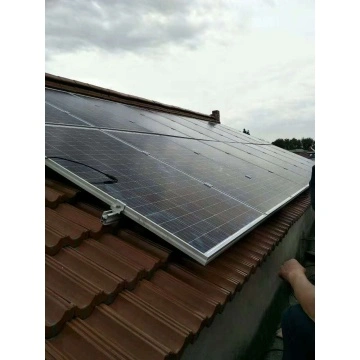
In Northern European installations, structural durability cannot be compromised. Dongguan Soltrux Solar utilizes advanced AL6005-T6 aluminum alloys and hot-dip galvanized steel (Q235B/Q355B) conforming to ISO 1461 to build robust structural solutions. Our Baltic mounting systems are engineered to withstand extreme wind velocities up to 30 m/s and snow depths of up to 1.5 kN/m².
Engineered for low weight and high structural integrity. Anodized coating thickness ≥12μm provides premium resistance against Latvia's humid Baltic air and urban salt-spray corrosion.
Optimized adjustment brackets allow engineering teams to quickly calibrate tilts between seasonal cycles. Solves the winter low-insolation challenge typical to Baltic latitudes.
Engineered in compliance with Eurocode 1 (actions on structures) and Eurocode 9 (design of aluminum structures) to resist cold weather stresses.
| Structural Specification Parameter | Engineered Standards (AL6005-T5 / Stainless Steel / HDG) | Applicable Latvian & EU Regulation |
|---|---|---|
| Maximum Wind Load Capacity | Up to 180 km/h (50 m/s) continuous gust simulation | EN 1991-1-4 (Eurocode 1: Wind Actions) |
| Design Snow Load Capacity | 1.6 kN/m² to 2.4 kN/m² with reinforced truss frames | EN 1991-1-3 (Eurocode 1: Snow Loads) |
| Tilt Range Availability | Standard: 10°–45° / Custom Engineered High Tilt: 15°–60° | Optimum yield compliance (PVGIS Baltic model) |
| Material Composition & Hardness | Anodized Aluminum AL6005-T6 (Hardness ≥15 HW) | EN 755-2 (Aluminum mechanical properties) |
| Steel Fasteners & Anchors | SUS304 / A2-70 Grade Stainless Steel, Optional Geomet/Zinc coatings | ISO 3506-1 (Mechanical properties of fasteners) |
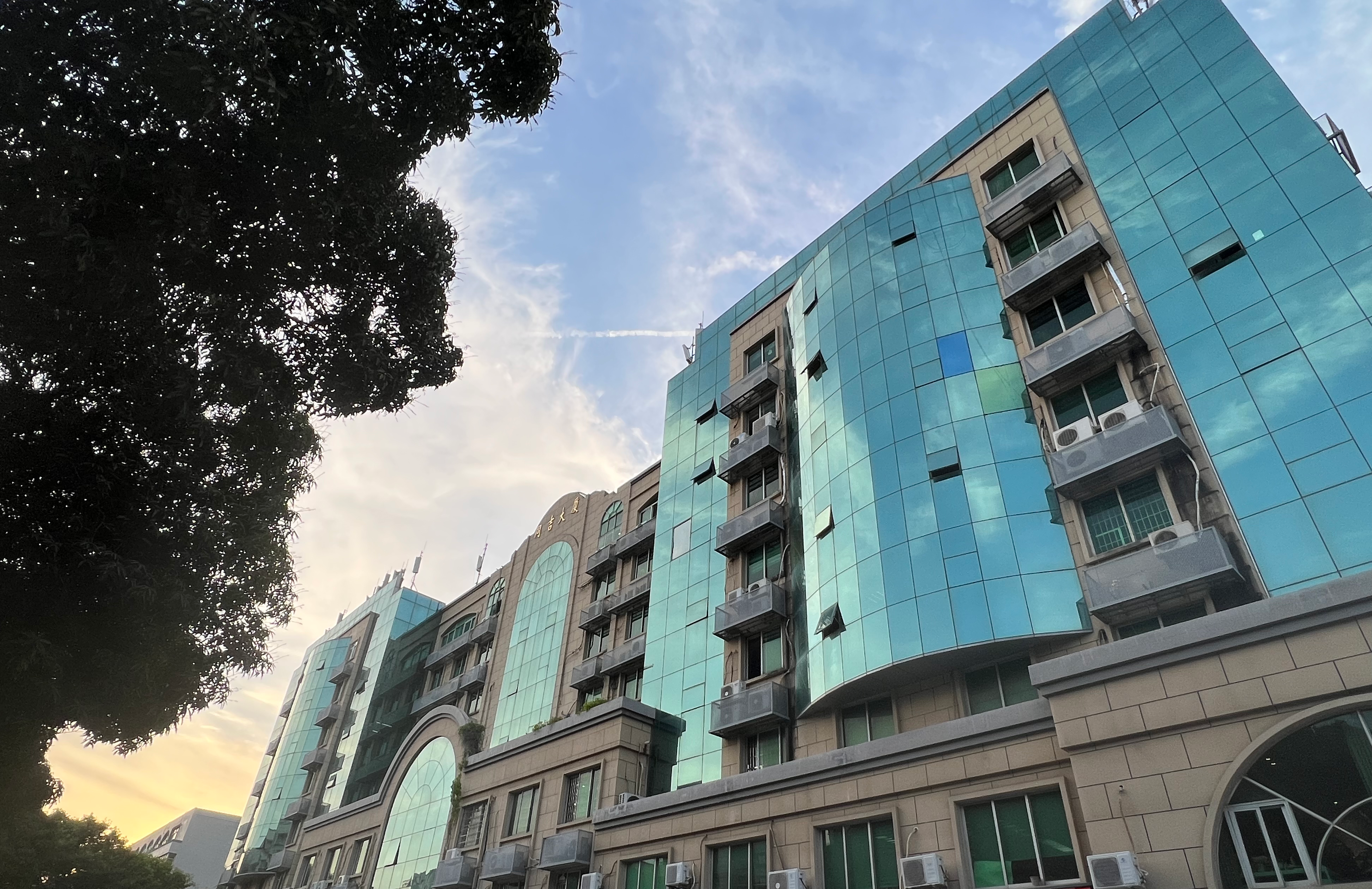
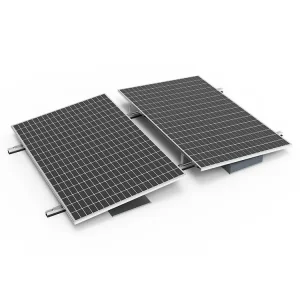
Modern commercial infrastructure demands high adaptability. Dongguan Soltrux Solar provides a comprehensive spectrum of mounting frameworks. For urban Latvian developers in Riga, Ventspils, and Liepāja, roof space optimization is critical. Our flat-roof mounting solutions utilize robust triangle aluminum systems with adjustable angles, preventing the necessity of roof penetrations while allowing site managers to configure optimum tilting coordinates.
For industrial field parks, utility developers prefer ground-mount configurations integrated with adjustable steel frames. These structures facilitate manual adjustment schemes across seasonal cycles or provide a rigid foundation for semi-automatic dynamic adjustments. By selecting Soltrux's highly adaptable components, developers secure structural flexibility compatible with both traditional fixed-angle monofacial and high-yield modern bifacial PV panels.
Our structures minimize thermal stress. By raising the panels off the roof membrane or ground level at optimized, adjustable angles, air circulation underneath is maximized. This creates a cooling effect that maintains high electrical generation efficiency, even during the peak hot days of mid-summer.
Operating out of Dongguan, China’s global advanced manufacturing capital, Dongguan Soltrux Solar Co., Ltd. combines specialized design R&D with streamlined industrial automation. Our Factory 4.0 production ecosystem utilizes advanced robotic extrusion lines, automatic CNC punch presses, and laser cutting technology to ensure tight tolerance levels of ±0.5mm across all structural parts.
Soltrux Solar houses a professional team of structural engineering experts, materials scientists, and CAD designers. We utilize finite element analysis (FEA) software, including ANSYS and SolidWorks, to simulate local wind and snow loads before initiating mass production. This ensures that every bracket shipped to the Baltic region matches the real-world climate pressures of Latvia.
Every commercial solar site is unique. We provide tailored services (OEM/ODM) to adapt mounting dimensions, clamp sizes, and tilt angles to meet your project specifications. Our automated tooling setup allows us to execute design revisions quickly, cutting standard lead times for custom mounting designs down to 10-15 business days.
At Dongguan Soltrux Solar, quality is verified at every stage of production. From raw billet testing of aluminum alloys to chemical composition reviews of our stainless steel fastener lines (grade SUS304), we ensure each component resists premature mechanical fatigue and galvanic corrosion. Our QA workflows comply with the ISO 9001 standard, and our products carry full CE and TÜV Rheinland certifications for entry into the EU.
By leveraging Dongguan’s established logistics infrastructure, we manage direct cargo routes to major Latvian maritime ports like Riga and Ventspils, guaranteeing safe transit, low shipping costs, and predictable project delivery timelines.
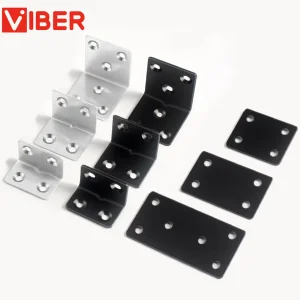
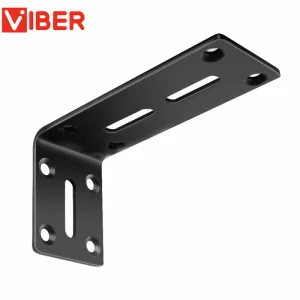
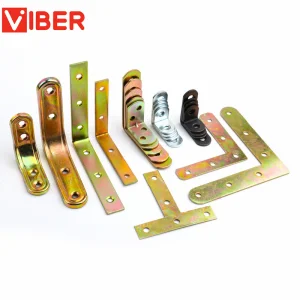
High-durability stainless steel components and structural elements manufactured for long-term deployments in harsh Northern European climates.
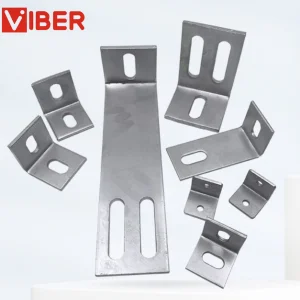
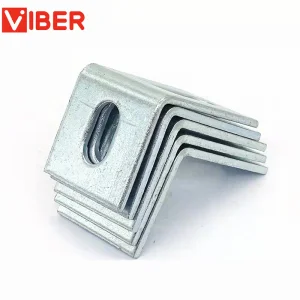
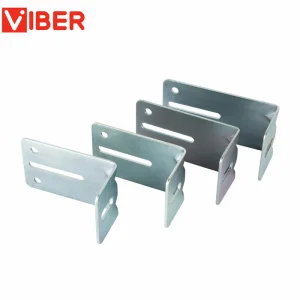
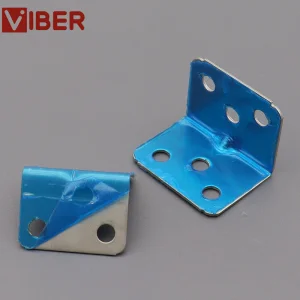
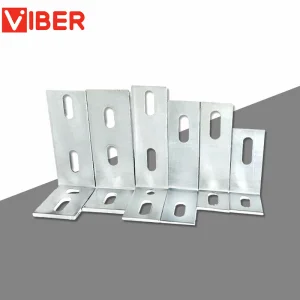
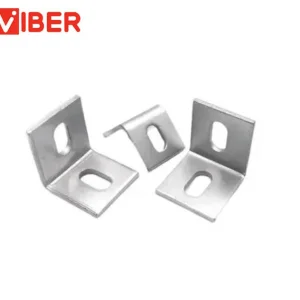
For European buyers, regional regulatory compliance is paramount. Importing solar mounting components from China requires partners who understand standard European protocols. Soltrux Solar ensures all structural kits are accompanied by full documentation, including factory test reports, Mill Test Certificates (MTC), CE Declarations of Conformity, and ISO QA records. This ensures smooth customs clearance at Riga port and rapid inspection approvals by Latvian construction authorities.
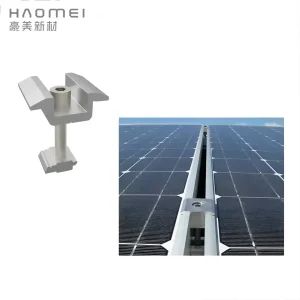
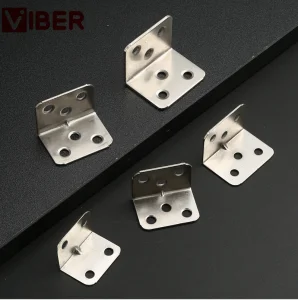
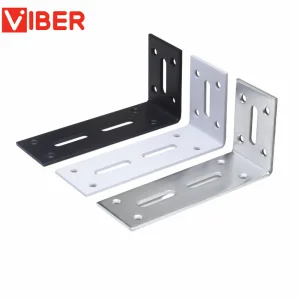
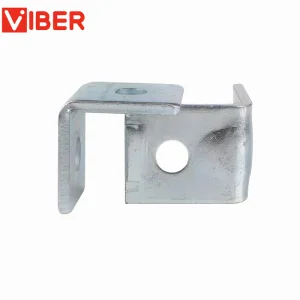
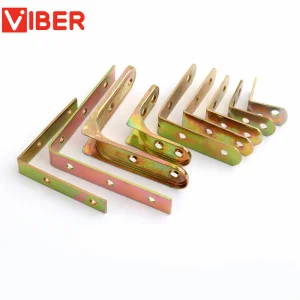
We optimize packaging systems to prevent damage during transit. Fastener assemblies, corner angles, and clamps are packed in water-resistant crates with clear labels showing product grades. Triangle frames and extrusions are strapped using heavy-duty protective plastics. This reduces risk during trans-shipment and makes organizing components on-site straightforward.
To assist our Baltic partners, Soltrux Solar offers remote structural design assistance. Our engineers can evaluate site plans and generate wind and snow load math validations tailored to local requirements. We also provide clear assembly manuals and detailed CAD diagrams, helping installation teams set up systems quickly and correctly.
For large C&I projects, we support custom structural testing and can supply pre-assembled triangle bases. This saves on-site labor costs, helping install teams finish projects on time.
Expert answers regarding mechanical specifications, Baltic climate performance, and bulk import processes.
Due to Latvia's high latitude (~57° N), fixed-angle solar systems lose significant winter yield when solar altitudes drop to under 10 degrees. Adjustable frames let crews set steeper angles (up to 55° or 60°) during winter to capture low-horizon sunlight and encourage snow shed. In summer, flattening panels to 15°-20° maximizes yield from high-angle solar paths.
All brackets are made from high-strength AL6005-T5/T6 aluminum and SUS304 stainless steel. They are designed and engineered in compliance with Eurocode 1 (EN 1991-1-3 for snow loads up to 1.6 kN/m² and EN 1991-1-4 for wind speeds up to 50 m/s), ensuring mechanical safety in winter conditions.
Our aluminum components undergo class-II anodizing (minimum thickness of 12-15 microns), which creates an oxide layer that resists salt spray, moisture, and road salts. Steel brackets are hot-dip galvanized (minimum 80 microns thick) to ensure long-term durability in damp environments.
Manufacturing typically takes 10 to 15 days. Ocean freight from China to the Port of Riga generally takes between 35 and 45 days. We also offer rail transport options via the Baltic rail freight corridors for urgent projects.
Yes, Soltrux Solar mounting systems are fully CE marked and meet EN 1090 standards for steel and aluminum structures. We supply all required certification paperwork to streamline local building approvals in Latvia.
 Soltrux Solar