Engineered to optimize Levelized Cost of Energy (LCOE) in the Caribbean. Tested for extreme Category 5 hurricane wind loads and high-salinity coastal conditions.
The Small Island Developing States (SIDS) of Antigua and Barbuda represent a highly critical boundary for renewable energy deployments. Characterized by high solar irradiance levels exceeding 5.5 kWh/m²/day, the nation faces a severe challenge: its reliance on imported diesel fuel creates exceptionally volatile utility rates reaching up to $0.45 per kWh. Driven by the Antigua and Barbuda National Energy Transition Strategy to secure 100% electricity generation from renewable sources by 2030, commercial, industrial, and utility-scale solar projects are rapidly scaling up.
However, the geography introduces demanding environment-driven mechanics. The island chain sits directly in the Caribbean "Hurricane Belt," exposing solar installations to recurrent Category 4 and 5 hurricanes (e.g., Hurricane Irma in 2017) with wind gusts exceeding 250 km/h. Concurrently, the constant exposure to high-saline marine air (C5-M atmospheric corrosivity class) accelerates galvanic corrosion on traditional steel mounts.
This is where Dongguan Soltrux Solar Co., Ltd. bridge the gap, bringing advanced aerospace-grade tracking mechanics and automated anti-corrosion production lines to structural engineering teams across Saint John’s, Codrington, and English Harbour.
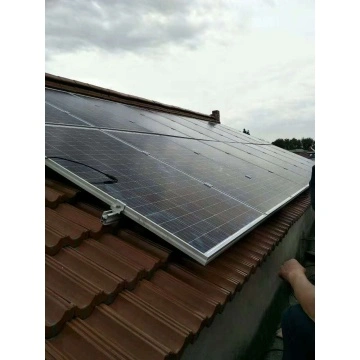
The solar industry has shifted from passive mechanical mounting to active, software-driven energy yield optimizers.
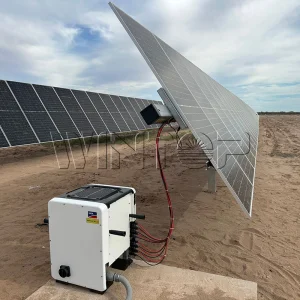
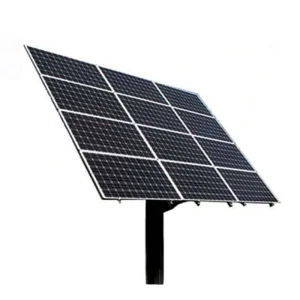
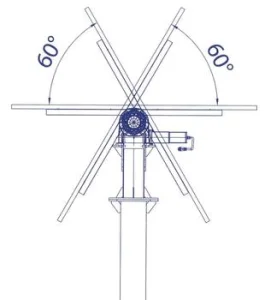
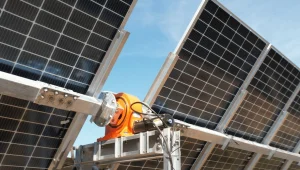
Modern solar trackers employ closed-loop GPS astronomical calculations combined with intelligent backtracking algorithms. During morning and evening hours or cloudy overcast days, the trackers adjust panel angles to eliminate inter-row shading, boosting local microgrid output by up to 8% over traditional solar tracking systems.
By connecting to real-time local wind monitoring stations, Soltrux systems dynamically transition to a horizontal "safety stow" configuration (0-15 degrees) when gusts exceed 70 km/h. This drastically lowers static and dynamic torsional forces, ensuring tracking structural integrity under extreme hurricane conditions.
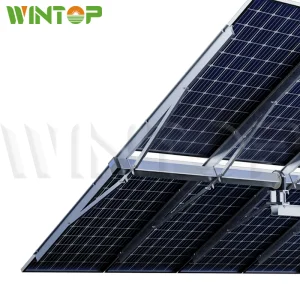
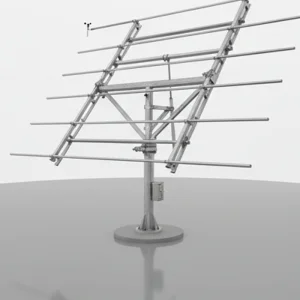
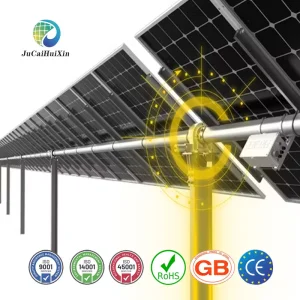
As double-sided solar panels become the standard, tracking brackets are configured to minimize underside obstruction. Clean U-shape and single-post profile geometries ensure high-albedo white sand surfaces in Barbuda reflect maximum diffuse light to the backside of the module, adding an extra 15-25% yield.
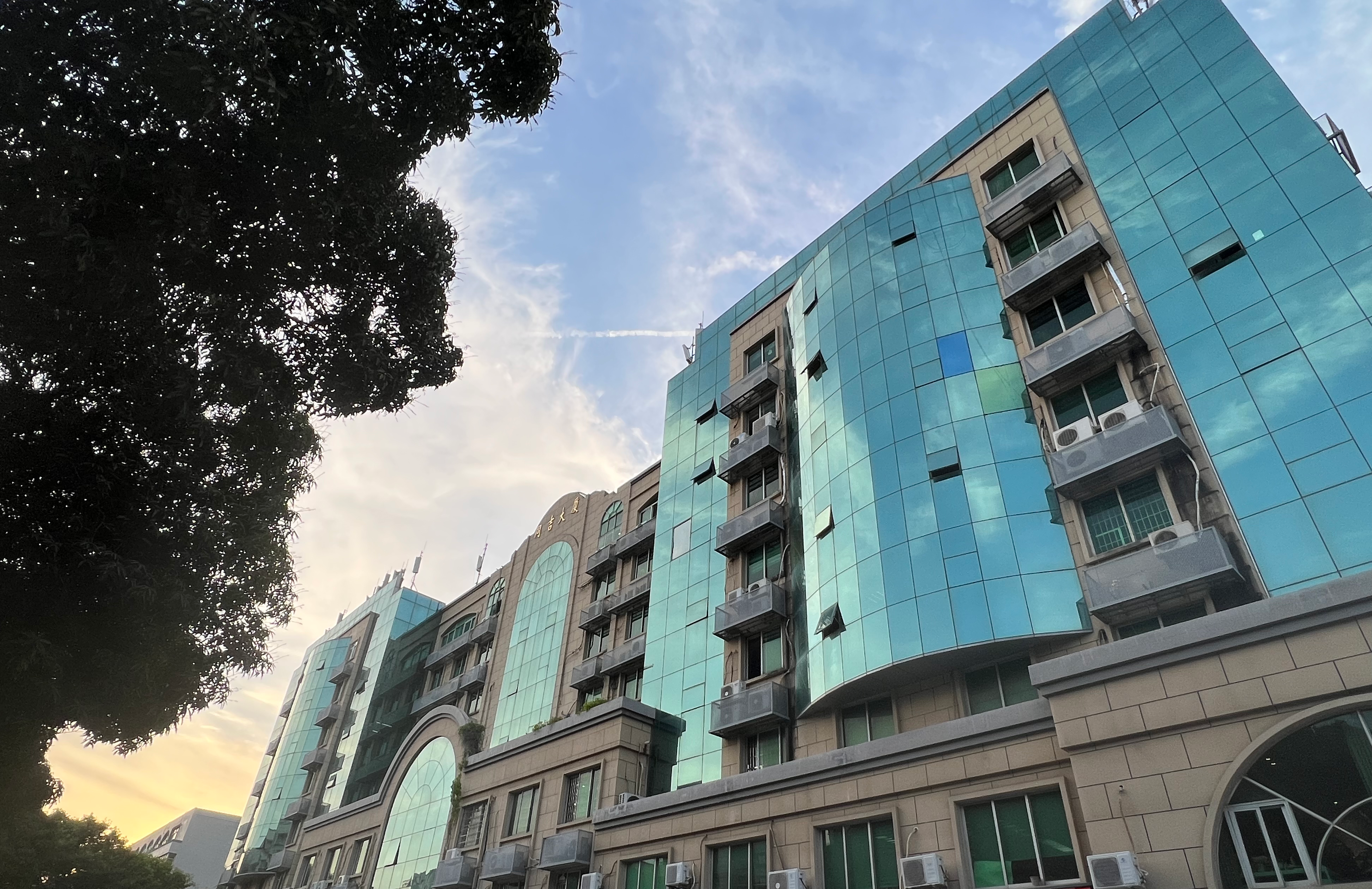
Based in the manufacturing powerhouse of Dongguan, China, Dongguan Soltrux Solar Co., Ltd. stands as a premier global manufacturer of advanced, smart mounting solutions for residential, commercial, and utility solar arrays. Operating under strict Factory 4.0 methodologies, our production facility features computerized automated laser cutting, precise robotic welding cells, and dynamic simulation testing platforms to maintain high mechanical tolerances and repeatable quality.
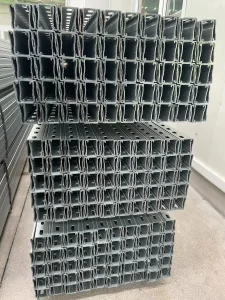
We build our tracking structures with high-yield structural steel and marine-grade anodized aluminum (AL6005-T6), complemented by hot-dip galvanizing exceeding 85 microns in thickness (per ASTM A123 standard). This structural finish guarantees resistance to the salt-spray environments typical of Antigua and Barbuda’s coastlines.
Our comprehensive research and development (R&D) teams consistently develop new solutions for complex structural layouts, ensuring full compatibility with utility trackers, off-grid microgrids, and residential arrays. Through efficient supply chain integrations and direct logistics routes from Shenzhen port to the Port of St. John's, we guarantee Caribbean developers unmatched delivery schedules and commercial terms.
How our localized designs address specific regional topography and infrastructural requirements.
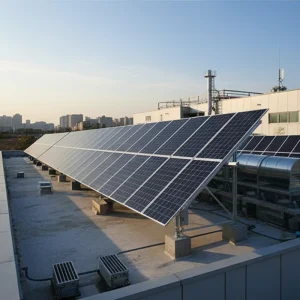
Luxurious eco-resorts across Jolly Harbour and English Harbour rely on clean, silent power. Our single-axis smart tracking brackets integrate with diesel-solar-battery hybrid systems to deliver stable power curves, reducing reliance on expensive fuel generators while visually blending into coastal vistas with sleek, low-profile layouts.
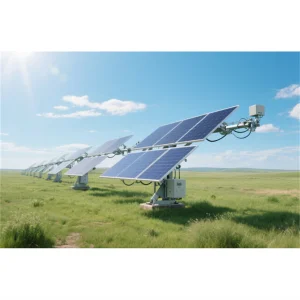
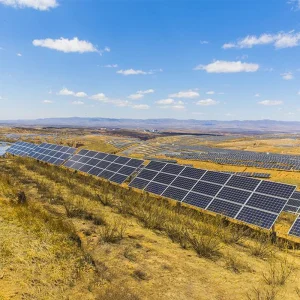
For large-scale grid injection (such as near the V.C. Bird International Airport solar initiative), our trackers scale up energy capture. By maintaining the perpendicular angle to the sun throughout the day, the systems output up to 35% more total energy compared to fixed tilt structures, improving overall project internal rate of return (IRR).
Rebuilding infrastructure in Barbuda demands long-term mechanical reliability. Our tracking brackets feature self-lubricating bearings and maintenance-free multi-point drive systems, ensuring operational status even with limited technical support on the sister island.
Everything you need to know about engineering, procuring, and deploying solar tracking structures in Saint John’s and across the Caribbean.
Explore our diverse tracking systems, controller components, and bracket configurations tailored for residential microgrids and utility installations.
Partner with China's leading Factory 4.0 solar tracker manufacturer. Get customized engineering drawings, wind load calculations, and competitive shipping rates.
Send Inquiry Now Soltrux Solar