Home >
Ground Mount Solar Brackets >
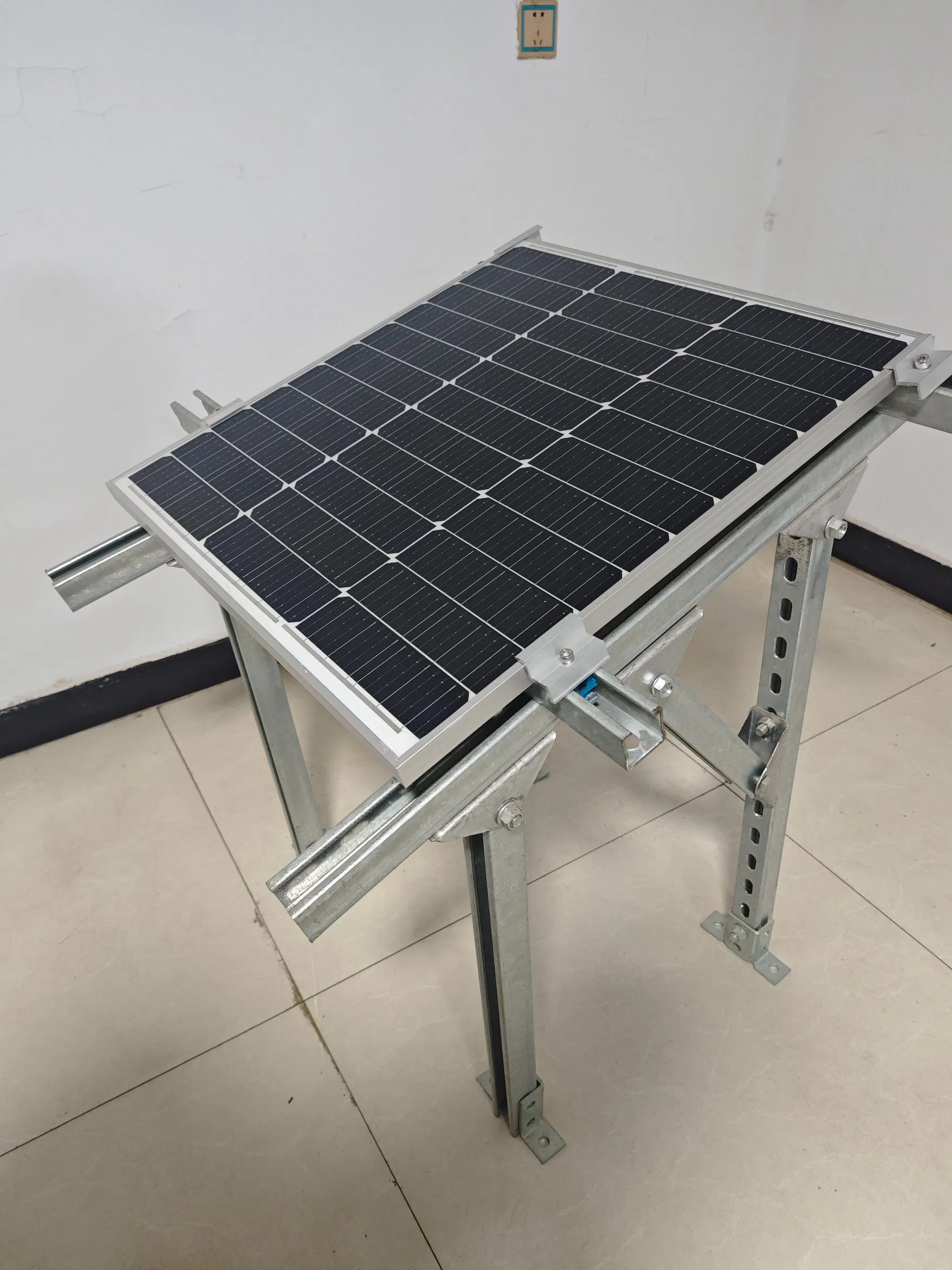
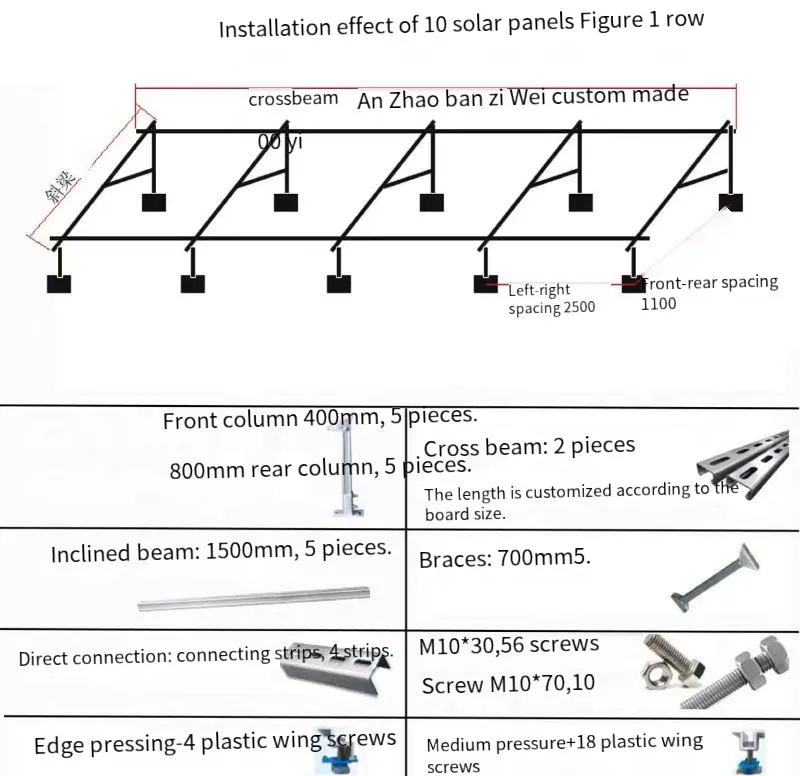
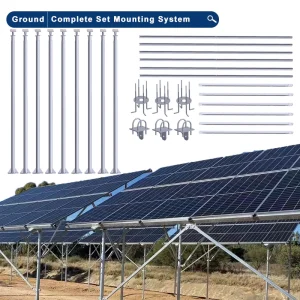
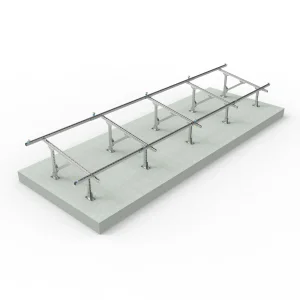
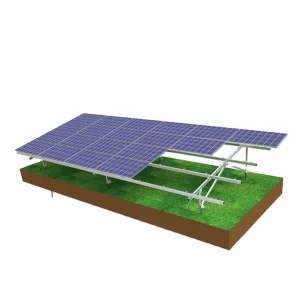
PV Support Bracketsolar Bracketaluminum Mount Solar PV Panel Ground Mounting Brackets Structurephotovoltaic Bracket
1 / 5
PV Support Bracketsolar Bracketaluminum Mount Solar PV Panel Ground Mounting Brackets Structurephotovoltaic Bracket
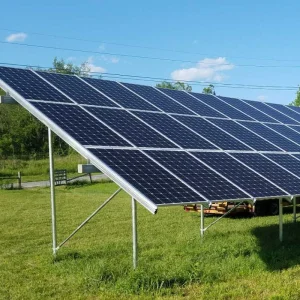
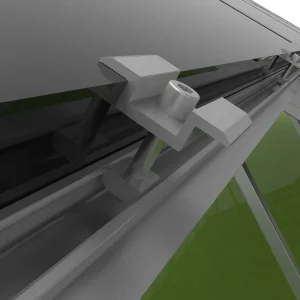
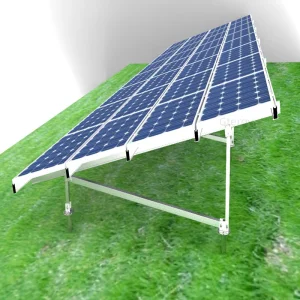
Photovoltaic brackets are mainly used to support and fix photovoltaic panels, that is, solar panels. It can help photovoltaic panels face the sun at the optimal angle, thereby absorbing more sunlight and improving power generation efficiency.
Hot dip galvanized bracket: Quite common, generally with a thickness greater than 2mm, reaching up to 2.5mm in windy areas. It offers high strength, long service life, and excellent stability.
Galvanized aluminum magnesium support: Features self-healing cuts. Resistant to chlorine, alkali, and abrasion, making it ideal for harsh environments like deserts, mudflats, and saline-alkaline lands.
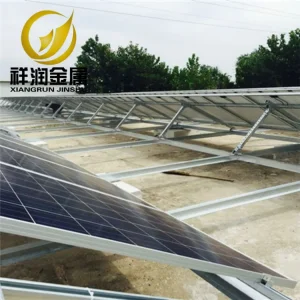
Aluminum alloy brackets: Lightweight (about one-third the weight of steel) with superior corrosion resistance. Perfect for seaside installations and color steel roofs.
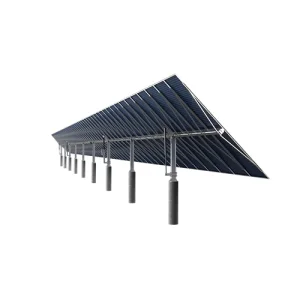
According to the installation method, brackets can be divided into fixed brackets and tracking brackets. Fixed brackets have a set orientation but can be manually adjusted seasonally. Tracking brackets automatically follow the sun's position to maximize exposure, though at a higher price point.
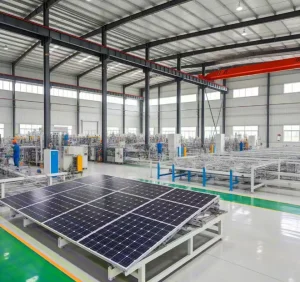
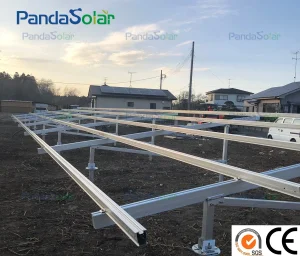
Application scenarios are diverse, including roof brackets, ground brackets, and agricultural photovoltaic system brackets. Designed for specific environments, they ensure stable and efficient power generation. In terms of manufacturing, raw materials (primarily steel) account for over 70% of the cost.
Frequently Asked Questions
1. What is the primary function of a photovoltaic bracket?
Photovoltaic brackets are designed to support and fix solar panels at the optimal angle to the sun, maximizing sunlight absorption and improving power generation efficiency.
2. What are the main materials used for PV brackets?
The most common materials are steel (hot-dip galvanized or galvanized aluminum magnesium) and aluminum alloy. Steel is known for strength and stability, while aluminum is prized for its lightweight and corrosion resistance.
3. When should I choose aluminum alloy brackets over steel?
Aluminum alloy brackets are ideal for seaside environments or color steel roofs due to their excellent rust resistance and lighter weight, which puts less stress on structures.
4. What is the difference between fixed and tracking brackets?
Fixed brackets stay in one position (though some allow manual seasonal adjustment), while tracking brackets use automated systems to follow the sun's movement throughout the day for maximum efficiency.
5. Are these brackets suitable for harsh environmental conditions?
Yes, specifically galvanized aluminum magnesium brackets are designed to handle harsh environments like deserts, mudflats, and saline-alkaline lands due to their self-healing and corrosion-resistant properties.
6. What factors impact the cost of PV mounting structures?
Raw materials, particularly steel, account for more than 70% of the manufacturing cost. Design complexity, material type (aluminum vs. steel), and the scale of the system also influence the final price.
 Soltrux Solar